Sunday 18th January 2026
By inAfrika Newsroom
Tunisia transport disruption risk increased this week as public transport unions warned of possible service interruptions over wages, fleet conditions, and funding constraints.
Union representatives said chronic underinvestment has left buses and trains in poor condition, increasing breakdowns and safety risks. Workers also cited delayed payments and rising living costs as sources of tension.
Transport authorities acknowledged the challenges, saying budget constraints limit rapid upgrades. However, officials stressed that negotiations remain ongoing to avoid major disruptions that could affect commuters and economic activity.
Public transport plays a critical role in Tunisia’s urban economy. Millions rely on buses and rail services for daily commuting, particularly lower-income households. Any prolonged disruption would raise transport costs, reduce labour mobility, and affect productivity.
Economists said the dispute highlights broader fiscal stress. Tunisia faces difficult trade-offs between wage containment, subsidy reform, and service delivery. Transport systems often feel pressure first because maintenance can be deferred, but the social impact is immediate.
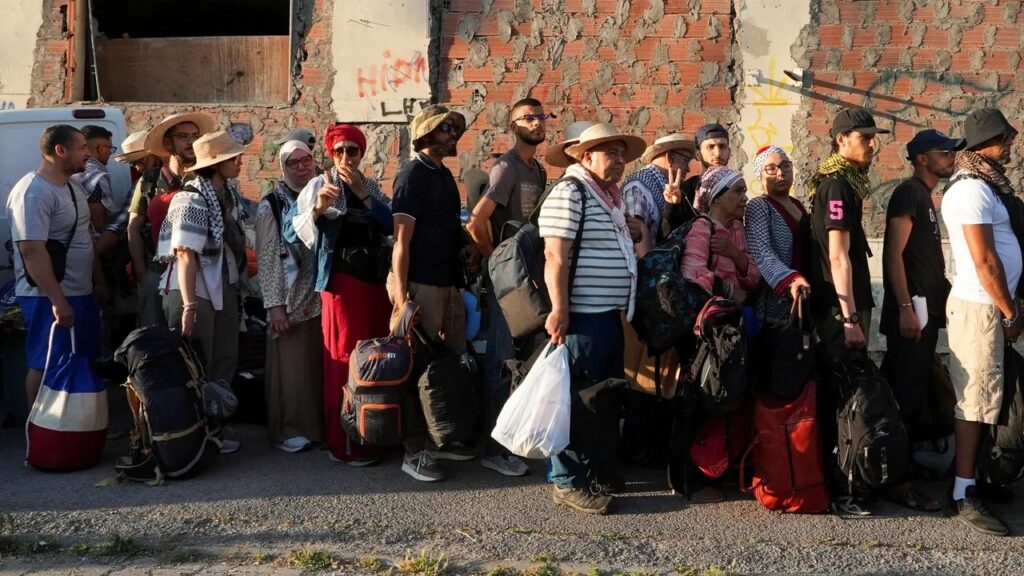
Passengers reported declining reliability even before any strike action. Longer waiting times and overcrowding have become common, increasing frustration.
Next steps for Tunisia transport disruption risk
Negotiations between unions and authorities are expected to continue, with contingency plans under review to maintain minimum service levels.
Why it matters
Reliable transport supports employment access, social stability, and urban economic function across North Africa.

 French
  English
  Swahili
  Portuguese
  Chinese