Tuesday 6th January 2026
By inAfrika Newsroom
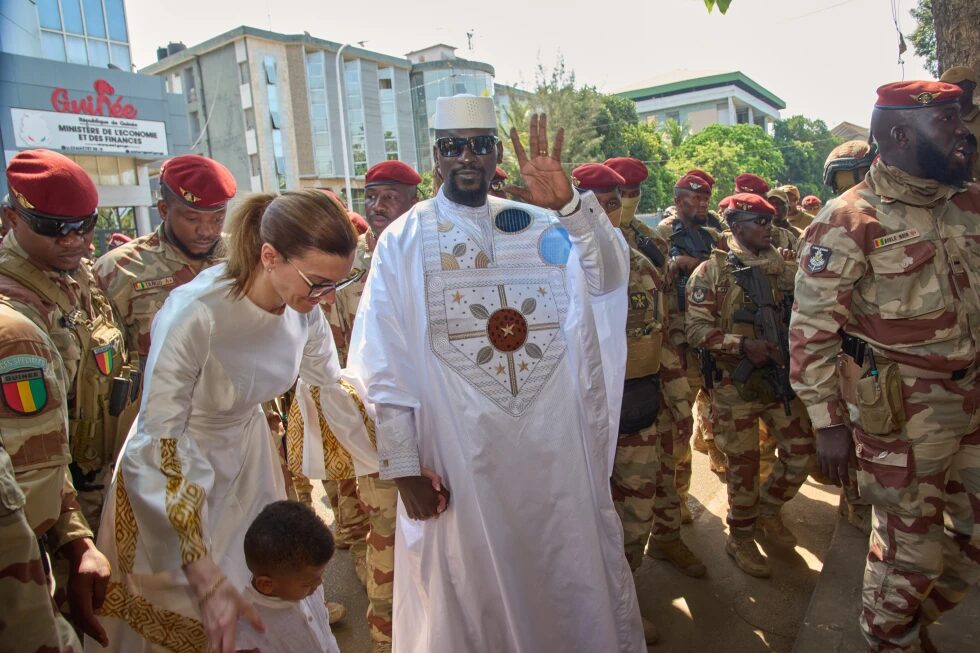
Guinea’s Supreme Court on Monday confirmed military leader Mamady Doumbouya as president-elect, sealing results from a recent election that critics and rights groups have disputed. The ruling gives Doumbouya a new civilian mandate after he led a coup in 2021.
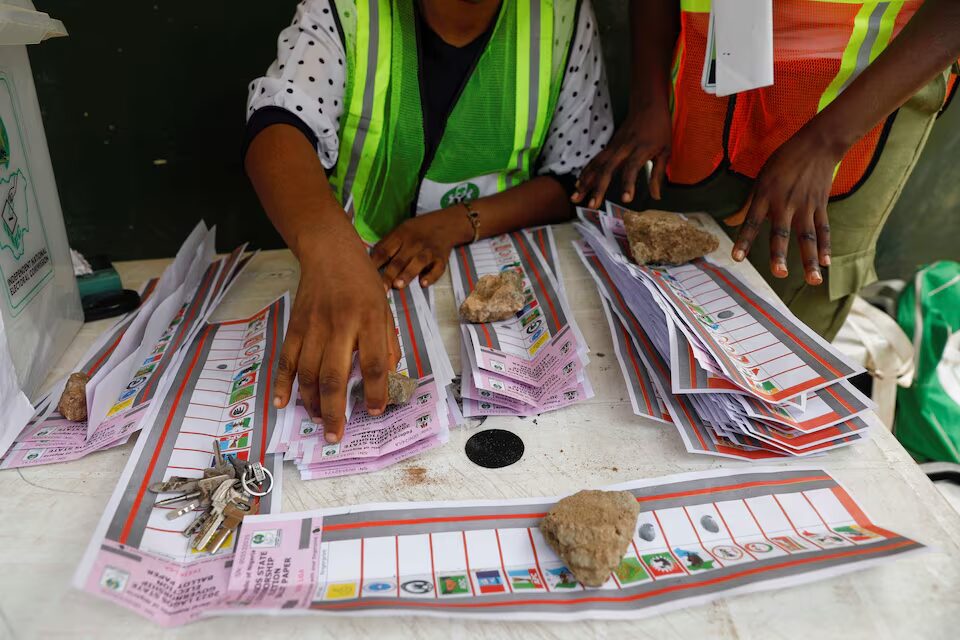
The court announcement came after days of tension in parts of the capital and online, with opposition voices questioning turnout, the voter register, and the counting process. Meanwhile, authorities urged calm and warned against unrest.
Doumbouya’s supporters described the decision as a step toward stability. However, opponents argued it risks locking in military-era power under an electoral label. The political stakes are high because Guinea is a major bauxite producer. Therefore, investors also watch how the transition affects mining permits, contracts, and export flows.
In recent months, regional bodies have pushed for clearer timelines and safeguards in West African transitions. Yet several countries still face fragile trust in institutions. For Guinea, the court’s move now shifts attention to governance choices, cabinet appointments, and whether political space opens or tightens.
Security forces remained deployed at key junctions in Conakry on Monday. Still, there were no immediate reports of large clashes after the ruling. Meanwhile, civil society groups called for dialogue and restraint.
Next steps — Guinea election result
Authorities are expected to publish the final certified breakdown and set out the inauguration timeline. In addition, the government may outline early policy priorities and a cabinet line-up.
Why it matters
Guinea sits at the center of key minerals supply chains. Therefore, political stability affects jobs, state revenue, and regional confidence in democratic norms.

 English
  Swahili
  French
  Portuguese
  Chinese