English
 Swahili
 French
 Portuguese
 Chinese

October 2026 Edition — Resilience Is Not Enough
InAfrika Magazine October 2026: Growth forecasts improve, but the region must turn trade, tourism and climate policy into lasting competitiveness.
Fuel, finance, digital systems and public health change the growth equation.
FROM THE EDITOR
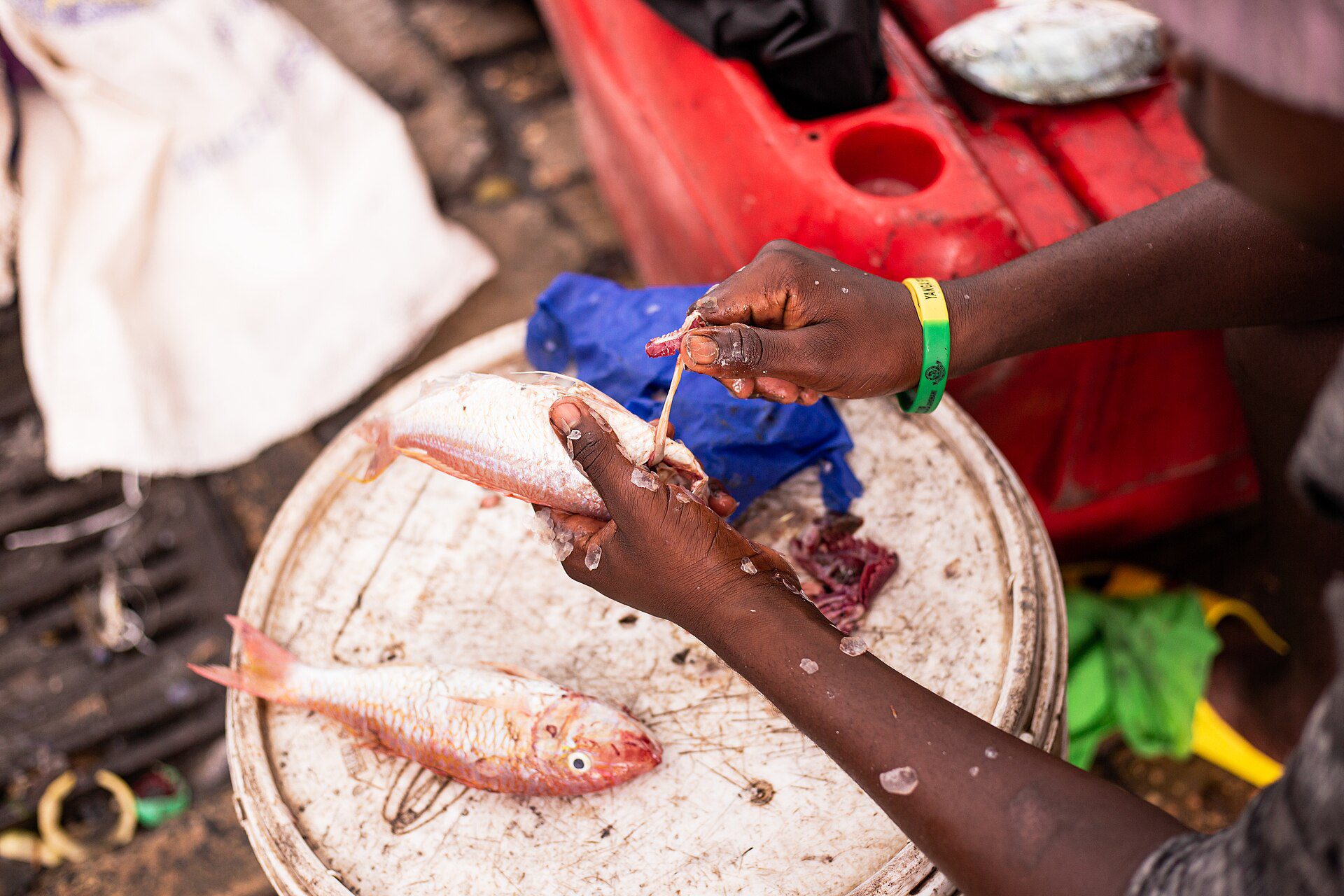
This digital edition brings together six reported stories from April 2026, examining what changed, why it matters for African businesses and households, and which questions remain open. Photographs are original website assets or clearly identified archive images; they are not presented as images of events they did not depict.
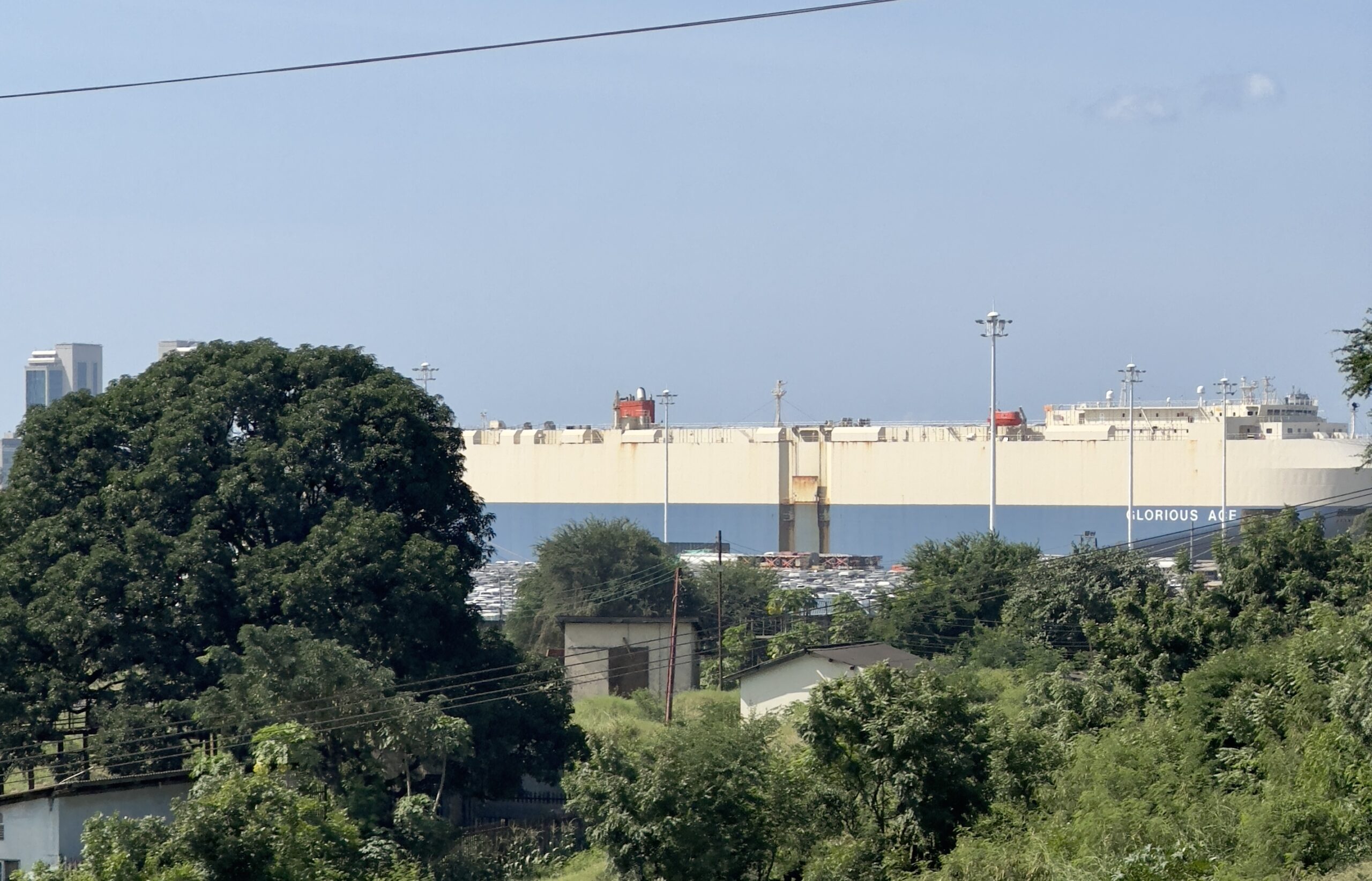
EWURA’s new cap prices effective 1 April put Dar es Salaam petrol at TZS 3,820 per litre, up from TZS 2,864 in March; diesel rose to TZS 3,806 from TZS 2,858. These are ceilings, not necessarily the price at every pump. The shock reaches food distribution, public transport and businesses that depend on generators.

In its April regional outlook, the IMF projected 4.3% growth for 2026, down from 4.5% achieved in 2025. Higher energy and fertiliser prices and macroeconomic vulnerabilities clouded the regional picture, with the hardest choices facing countries with limited room to protect consumers.
InAfrika’s April coverage of Africa Finance Corporation’s infrastructure report highlighted non-bank domestic capital pools above US$2 trillion. The challenge is moving suitable long-term capital into investable power, transport and industrial projects without sacrificing institutional investors’ safeguards.
The United Nations Economic Commission for Africa released its 2026 economic report on 2 April, examining data and frontier technology as drivers of transformation. AI requires dependable electricity, connectivity, secure data and skilled workers; software alone cannot close industrial productivity gaps.

WHO, UNICEF and Gavi said on 24 April that a multi-country vaccination drive delivered more than 100 million doses and reached approximately 18.3 million young children in 36 countries. The reported progress was substantial, but the agencies stressed the need for continuing routine immunisation capacity.
According to the East Africa Tea Traders Association, approximately eight million kilograms of tea had been delayed in Mombasa warehouses amid disrupted shipping routes. Exporters faced longer routes and rising costs, while farmers and buyers risked slower payments and strained working capital.
Edited by InAfrika Newsroom. Figures are reported as they appeared during April 2026, not as current October prices or forecasts. Use the linked sources to review methods and later updates. Editorial enquiries: news@inafrika.co.tz.
InAfrika Providence Limited · Dar es Salaam, Tanzania · www.inafrika.co.tz