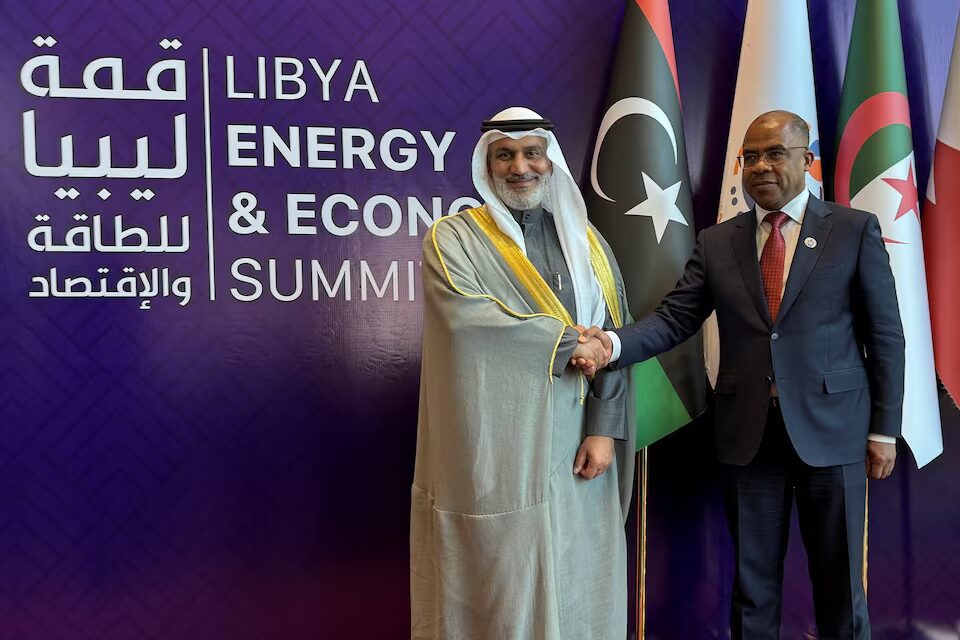
Libya needs between $3 billion and $4 billion in investment to lift crude production to about 1.6 million barrels per day, the acting oil and gas minister said on Saturday. He also said a new licensing round is expected to win cabinet approval before the end of January. The announcement signals renewed effort to attract capital into a sector that funds the state and dominates the economy.
The minister said oil makes up more than 95% of Libya’s economic output. Therefore, stabilising production and attracting partners remain central to fiscal planning. Yet, the operating environment stays complex. Security risks, political fragmentation, and infrastructure wear can slow field work and delay exports.
Market participants are watching for details on which blocks will be offered, and what terms will apply. Investors typically focus on contract clarity, security guarantees, and payment reliability. In addition, oil firms weigh operational costs, the condition of pipelines, and storage capacity.
Libya’s National Oil Corporation manages upstream and export operations, while revenue flows also depend on national budget decisions. Even when output rises, disputes over spending and governance can trigger uncertainty. As a result, production targets can shift quickly if politics turn.
Still, the planned licensing round suggests Tripoli wants to expand exploration and increase recovery from existing fields. If Libya secures investment, it could lift volumes and stabilise public finances. However, timelines will depend on approvals, contracting, and field execution.
Next steps
Next steps will hinge on cabinet approval of the licensing round and publication of bidding terms. Authorities are expected to outline block locations, fiscal conditions, and timelines for submissions. After that, winning bids would move to contract finalisation and field planning.
Meanwhile, the government may also clarify how it will support security around key assets and how payments to partners will be handled.
Why it matters
Next steps matter because Libya’s oil output drives public wages, services, and currency stability. Moreover, higher and steadier production can strengthen revenue planning and reduce fiscal shocks. For global markets, any sustained rise in Libyan supply can also affect regional crude balances.
Thursday 26th February 2026 By inAfrika Newsroom South Africa higher growth push took centre stage after Finance Minister Enoch Godongwana said the country needs stronger economic growth to attract investment…
Thursday 26th February 2026 By inAfrika Newsroom Africa solar capacity growth reached a new high in 2025 after the continent added 4.5 gigawatts of photovoltaic capacity, a 54% increase from…
Wednesday 5th February 2026 By inAfrika Newsroom OPEC output falls January figures signalled a modest supply tightening after a Reuters survey found the producer group’s oil production declined by 60,000…

 English
  Swahili
  French
  Portuguese
  Chinese