Friday 16th January 2026
By inAfrika Newsroom
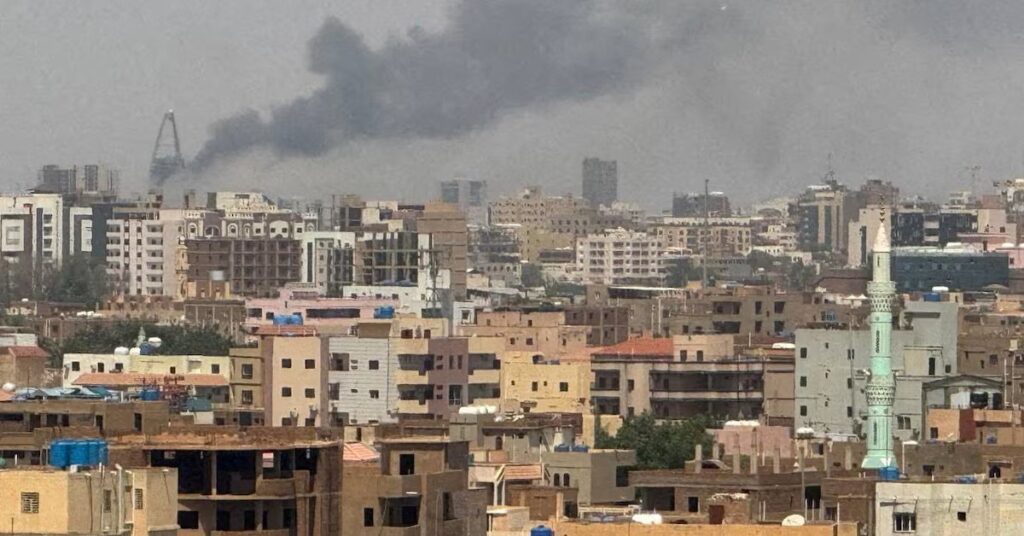
Most army held areas of Sudan went dark on Saturday after drone attacks hit power generation facilities, according to government officials and residents. The outages disrupted homes, water pumps, and mobile charging, and they added pressure on a grid already strained by war. This comes as fighting between the Sudanese army and the Rapid Support Forces, known as the RSF, drags on with no durable truce in place.
Officials said the attacks targeted key infrastructure in areas controlled by the army. Residents described sudden shutdowns that lasted for hours in some cities. Meanwhile, local traders reported higher demand for fuel, candles, and small generators. However, supply lines remain unstable, so prices can jump fast.
The outages also affected basic services. In several neighbourhoods, residents said water access fell because electric pumps stopped. Hospitals and clinics rely on backup power, yet diesel costs remain a burden. At the same time, telecom towers can fail when batteries drain, which can cut communications during security incidents.
Sudan’s conflict has repeatedly damaged utilities, roads, and health facilities. Even when front lines shift, the repair cycle stays slow. Parts can be scarce, and technicians often cannot reach sites safely. As a result, each new strike can set back recovery by weeks.
Next steps
Next steps will focus on emergency repairs and protection of critical sites. Officials and engineers are expected to assess damage, restore generation where possible, and reroute supply to priority services. Residents also expect more rationing if fuel stocks tighten.
Separately, aid groups may update contingency plans for water trucking and clinic support in the hardest hit areas. Security conditions will shape what can move, and how quickly.
Why it matters
Next steps matter because power is the backbone of water, health, and commerce. When the grid fails, families lose clean water options, small businesses stall, and hospitals face higher risks. Moreover, blackouts can deepen displacement as people move toward areas with more stable services.

 English
  Swahili
  French
  Portuguese
  Chinese