Friday 24th April 2026
By inAfrika Newsroom
Nigeria jet fuel relief April 2026 has entered the aviation spotlight after President Bola Tinubu approved 30% debt relief for local airlines. He also ordered fuel marketers, airlines and regulators to negotiate a fair jet fuel price within 72 hours.
Aviation Minister Festus Keyamo announced the measures as Nigerian carriers faced rising operating pressure. The policy combines debt relief with urgent fuel-price talks, showing that aviation costs have moved from a company problem into a national transport issue.
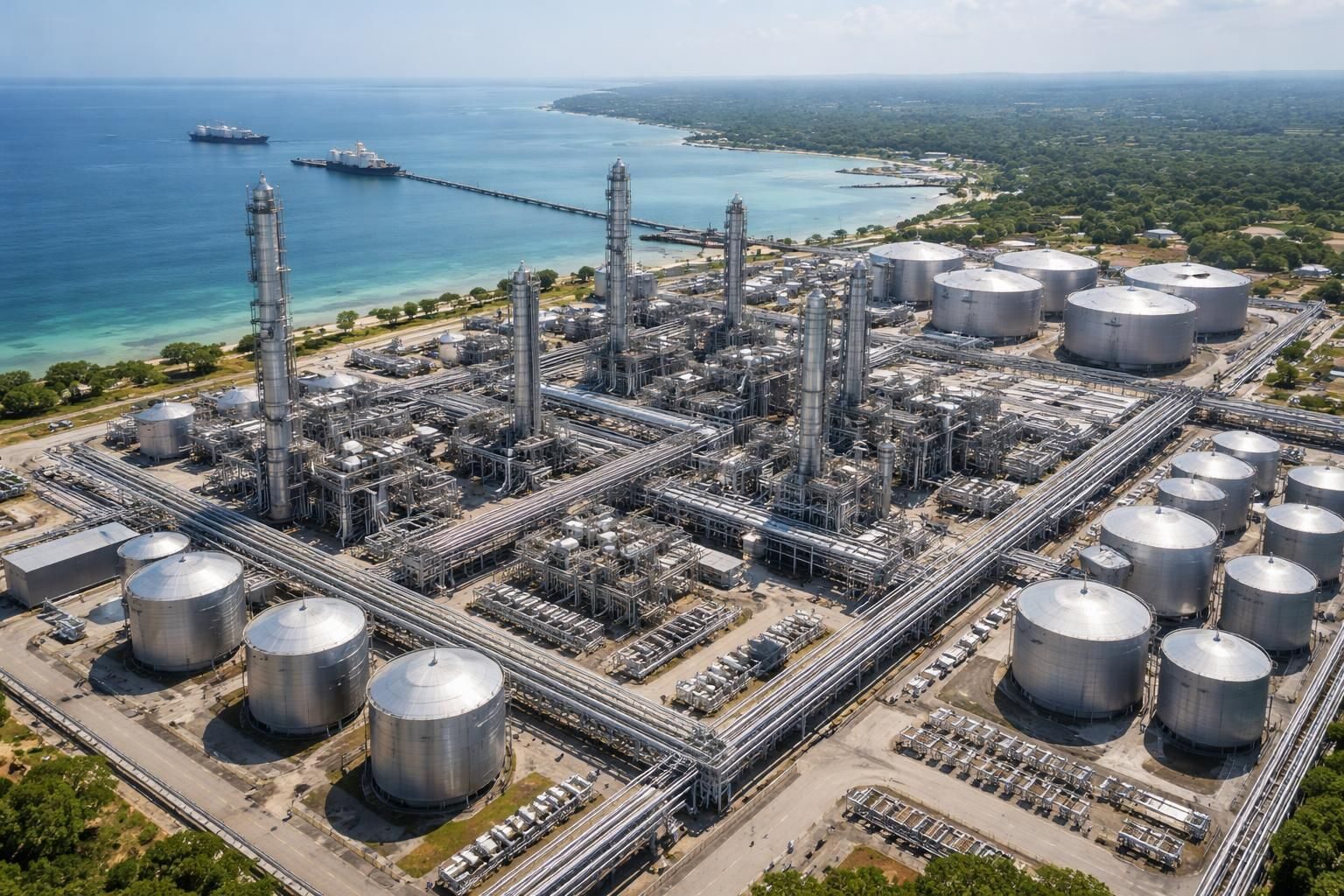
The timing matters because jet fuel markets are under stress beyond Nigeria. Europe has seen record inflows of jet fuel from the United States and Nigeria, with Nigeria exporting around 66,000 barrels per day to Europe in April. U.S. flows were projected at 149,000 to 200,000 barrels per day.
The wider fuel shortage has hit aviation economics. Gulf supplies previously accounted for about 75% of Europe’s jet fuel imports, while the European Union requires 90 days of emergency oil reserves but does not specify fuel types. Stockpiles could fall to 23 days by June if lost Gulf volumes are not replaced.
Nigeria jet fuel relief April 2026: What changes for businesses and households
For airlines, the immediate change is cash-flow relief. A 30% debt reduction can ease pressure on balance sheets, but fuel pricing remains the more direct operating cost. Carriers must still manage ticket pricing, maintenance, foreign exchange and route economics.
For households and SMEs, the concern is ticket affordability and cargo reliability. Higher aviation fuel costs can lift airfares, reduce flight frequency and increase costs for time-sensitive goods, including medicine, documents, flowers, electronics and high-value food products.
The measure also matters for Ghana, Kenya, Ethiopia and South Africa because African aviation operates through regional networks. When one major market faces jet fuel pressure, connecting routes, cargo pricing and airport traffic can feel the effect.
The public will now watch whether the 72-hour process produces a workable pricing framework. Regulators must balance airline survival, fuel marketers’ costs and passenger affordability without creating new supply distortions.

 English
  Swahili
  French
  Portuguese
  Chinese