Tuesday 24th March 2026
By inAfrika Newsroom
Nigeria jihadists resilience after suicide bombings was the focus of a Reuters analysis following attacks in Maiduguri that security officials and analysts said fit a pattern of insurgent violence that persists despite years of military operations in the northeast.
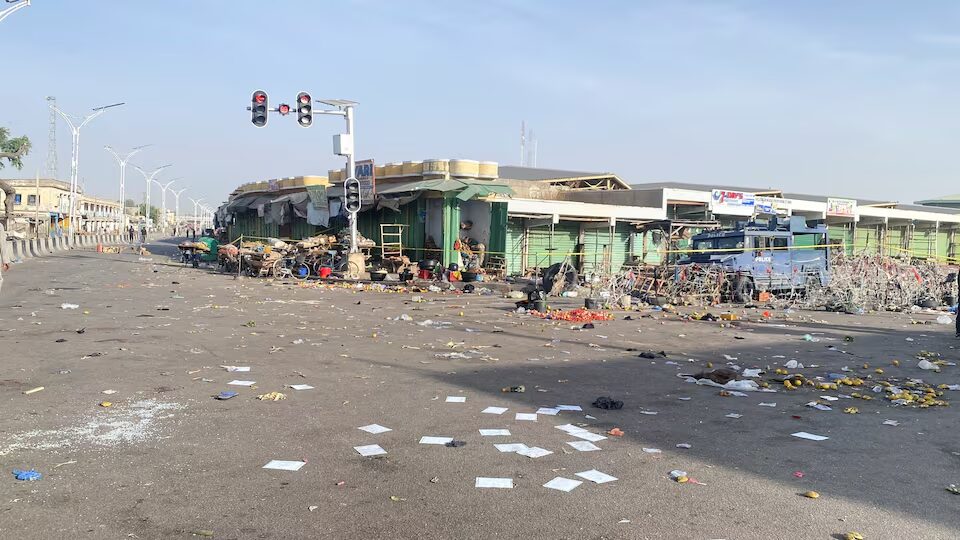
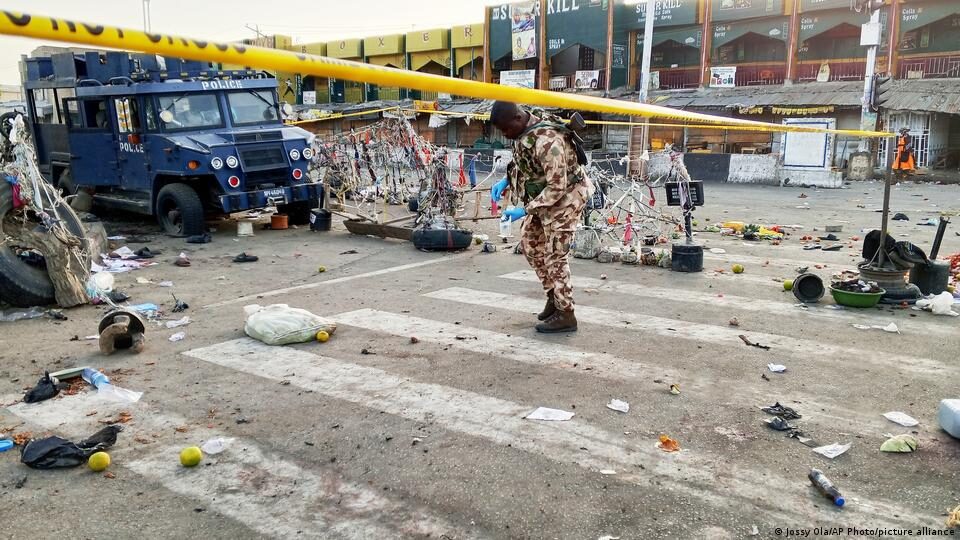
Reuters reported suspected suicide bomb attacks killed at least 23 people in Maiduguri and that the incident involved multiple blasts across key locations, with security tightened and investigations under way. The analysis said the attacks showed militant networks can still assemble operatives, move through urban areas, and strike crowded sites even when the state maintains a heavy security presence.
In practical terms, this resilience often depends on local recruitment, the ability to exploit gaps in surveillance, and the use of small cells that are harder to detect than large formations. When attacks rely on suicide tactics, the operational threshold for execution can be lower, while the psychological impact can be higher because civilians view crowded spaces as unsafe.
The violence also affects governance capacity. State authorities must fund prolonged security operations while also maintaining basic services, which can be difficult when budgets are constrained. In Borno and neighbouring states, displacement, trauma, and disrupted education reduce long-term recovery prospects, reinforcing vulnerability to future recruitment.
Economic impacts are persistent rather than episodic. Traders and transport operators price insecurity into their business models through higher margins, reduced operating hours, and additional security spending. Households often adapt by avoiding markets, limiting travel, or moving savings into assets that can be liquidated quickly if they need to relocate.
The analysis also matters regionally. Nigeria’s insurgency has spillovers into the Lake Chad basin, affecting border controls, humanitarian access, and trade routes into Niger, Chad, and Cameroon. High-profile incidents can trigger stricter security measures that slow commerce and limit movement, further reducing incomes in already fragile border economies.
Nigeria jihadists resilience after suicide bombings: what Reuters highlighted
Nigeria jihadists resilience after suicide bombings was underscored by the Maiduguri attacks, which Reuters said reflected patterns of insurgent tactics continuing despite years of war.

 English
  Swahili
  French
  Portuguese
  Chinese