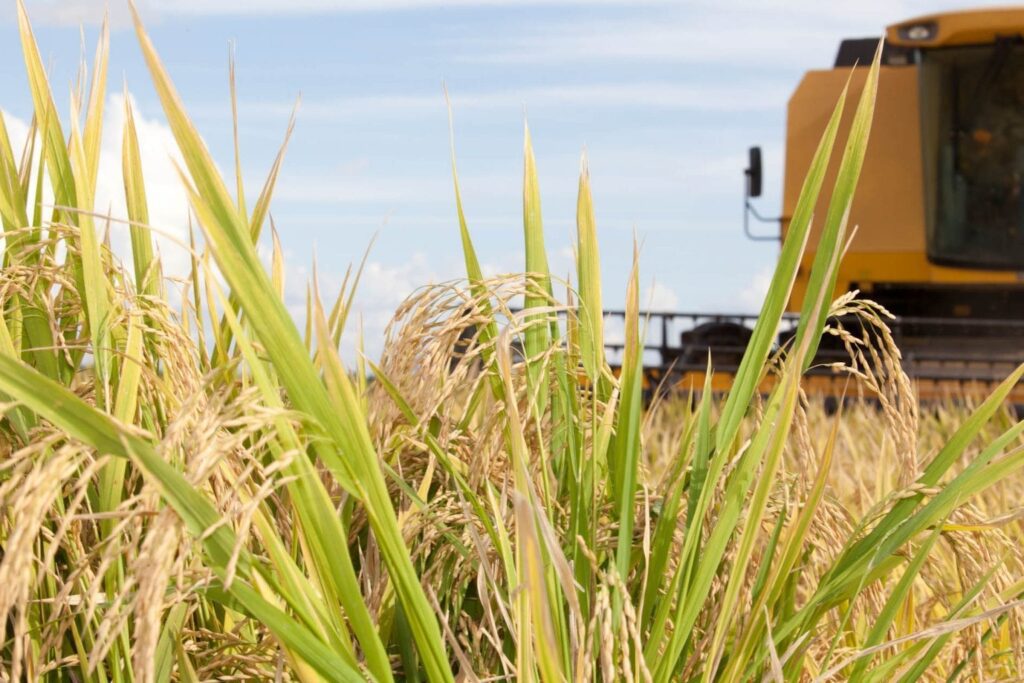
The Mozambique rice value chain project gained fresh momentum after the African Development Bank approved a US$22.8 million grant for smallholder support. The money will fund the Rice Value Chain and Climate Resilience Project in four key provinces.
Most participating farmers now harvest about one tonne of rice per hectare. Project designers want to raise that to four tonnes through better seed, irrigation, training and storage. Higher yields should lift annual household income from roughly US$590 to about US$1,000.
The project also targets climate risks. Many fields face erratic rainfall, periodic floods and salt intrusion. Therefore, the grant will finance canals, drainage, small reservoirs and training on water-saving practices and resilient cropping.
In addition, the programme will support farmer organisations, agro-dealers and millers. Stronger farmer groups can negotiate better prices for inputs and grain. Better milling and storage can reduce post-harvest losses and raise quality for domestic and regional markets.
Mozambique still imports a large share of the rice its people eat, even with vast land and water resources. Consequently, rising urban demand has widened the food import bill. Officials hope higher local output will cut dependence on external supplies and stabilise prices.
Why it matters for Mozambique rice value chain project
Supporters say the Mozambique rice value chain project links climate finance with food security. Higher yields on existing land reduce pressure to clear forests, while better storage and marketing can turn small farms into more stable businesses.
For households, the benefits are direct. More local rice can steady supplies, protect families from price spikes and give farmers extra cash to invest in health, education and resilience. Over time, the same model could apply to maize, cassava and other staples.
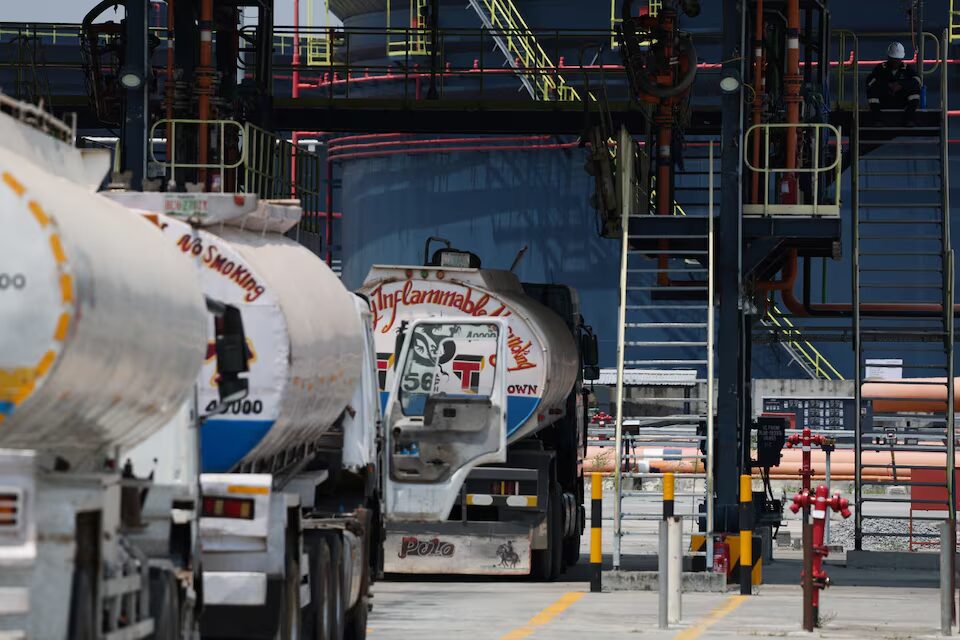
Wednesday 4th March 2026 By inAfrika Newsroom Dangote refinery jet fuel tender activity increased this week after a trade source said Nigeria’s Dangote oil refinery issued tenders to sell jet…
Tuesday 3rd March 2026 By inAfrika Newsroom The U.S. dollar’s rapid rally paused on Thursday as market sentiment turned slightly more upbeat on expectations that the Middle East conflict may…
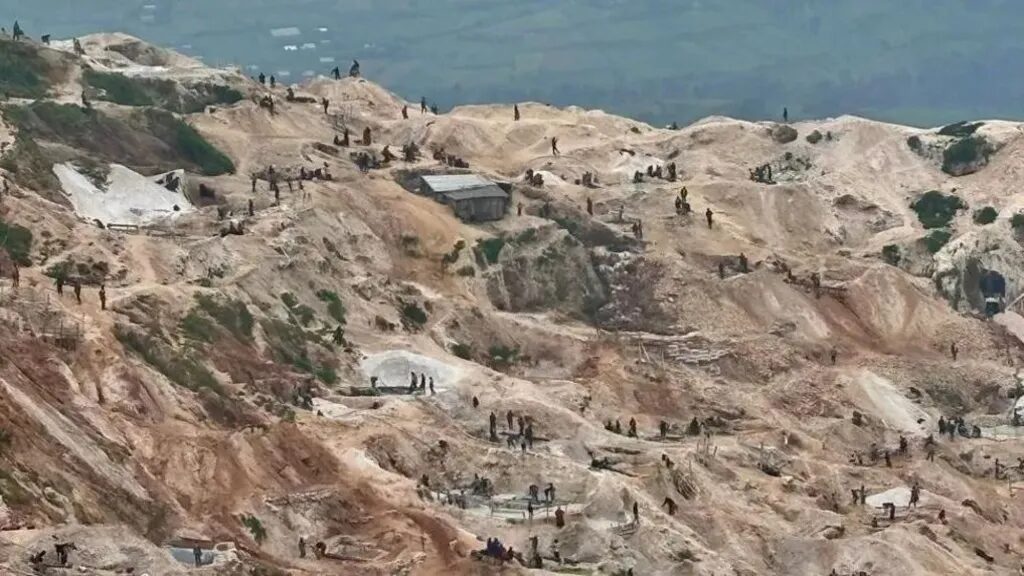
Monday 2nd March 2026 By inAfrika Newsroom More than 200 people died in a landslide triggered by heavy rains at the Rubaya coltan mine in eastern Democratic Republic of Congo,…

 Portuguese
  English
  Swahili
  French
  Chinese