Friday 24th April 2026
By inAfrika Newsroom
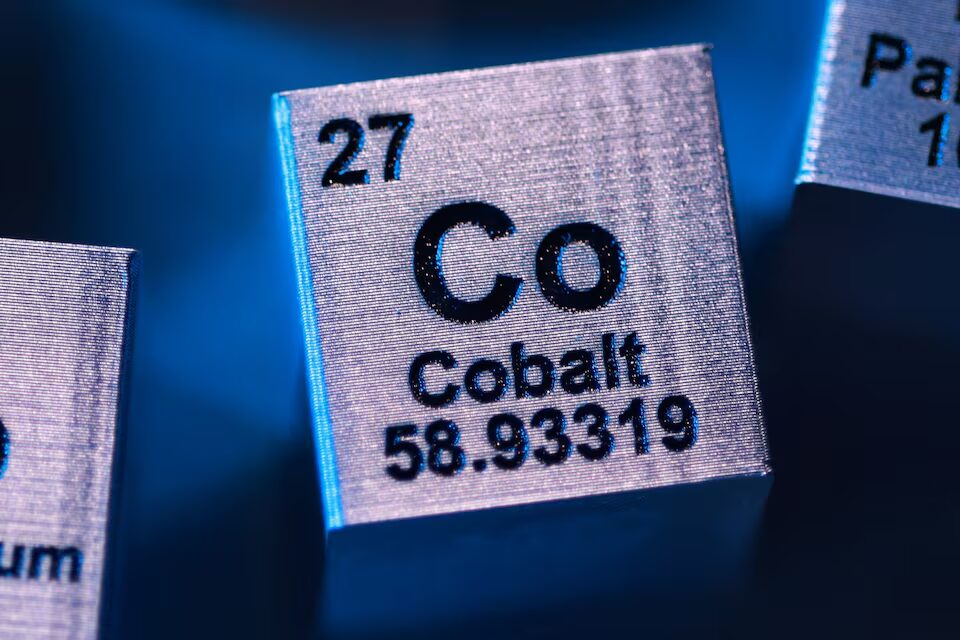
Congo cobalt exports 2026 remain a high-interest mining story after production cuts, export controls and a quota system reshaped supply from the world’s leading cobalt producer. The update matters now because cobalt feeds battery, electronics and clean-energy supply chains.
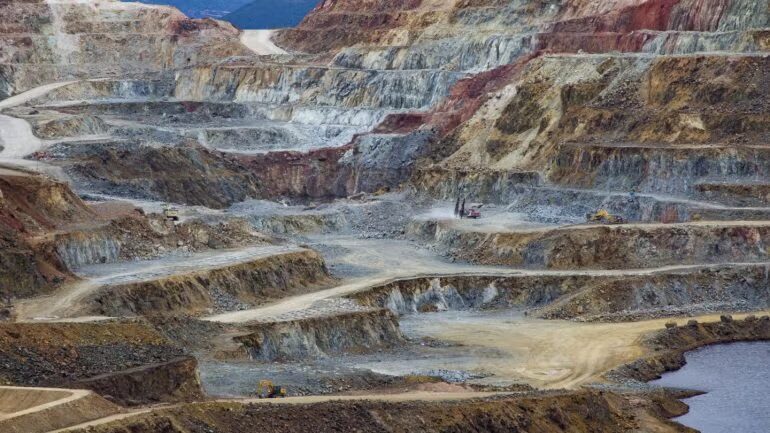
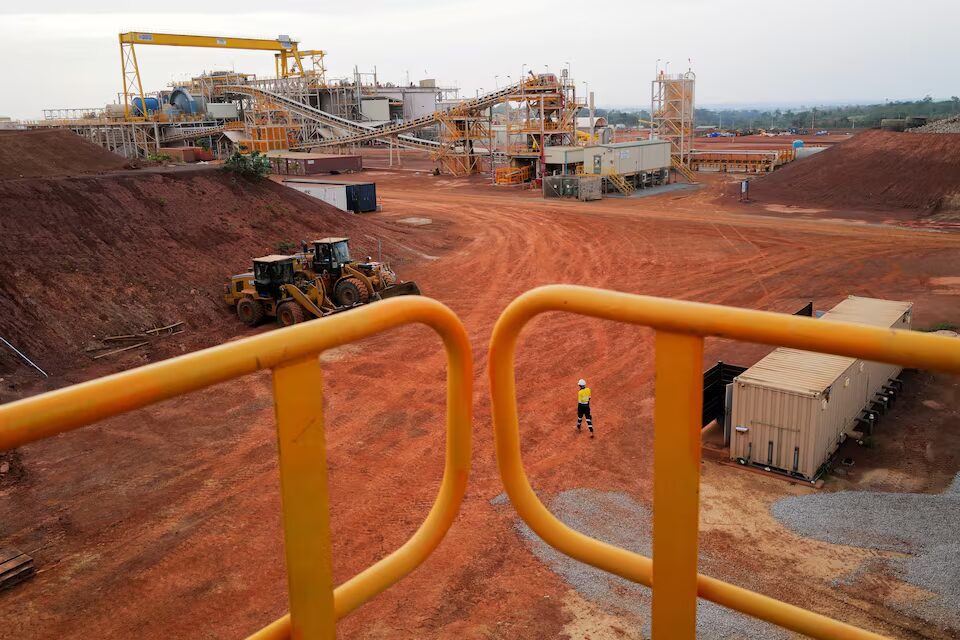
Eurasian Resources Group said it deliberately cut cobalt hydroxide production in the Democratic Republic of Congo by 70% in 2025, reducing output from 19,000 metric tons to 5,700 metric tons. The company linked the move to Congo’s export ban and quota system.
ERG plans to double cobalt production in 2026 compared with 2025, but recovery remains limited by export allocations. The company has received a 2026 export quota of 12,325 tons, including unused quota from late 2025.
Congo’s cobalt exports fell sharply in the first quarter. Shipments dropped to 48,800 tons in Q1 2026 from 123,000 tons in Q1 2025, when producers accelerated exports before restrictions took effect.
Congo cobalt exports 2026: What changes for businesses and households
For mining companies, the immediate change is planning discipline. Production, export schedules, customer contracts and cash flow must now align with quotas. That affects miners, processors, logistics firms, lenders and downstream buyers.
For manufacturers, tight cobalt supply can influence input pricing for batteries and electronics. That matters to South Africa, Zambia, Tanzania and Kenya as African markets expand solar storage, e-mobility, digital devices and grid equipment.
Congo is also creating a strategic reserve for cobalt and other critical minerals. The move follows a cabinet decree issued on 10 April 2026 allowing the regulator to acquire, hold and market resources. Congo accounts for around 70% of global cobalt output, making its policy choices globally important.
For governments, the key lesson is value capture. Cobalt policy now links mining revenue, industrial strategy, electric vehicles, battery supply and geopolitical competition. Households may not buy cobalt directly, but they feel the downstream cost through phones, solar systems, batteries and imported electronics.

 Portuguese
  English
  Swahili
  French
  Chinese