Português
 English
 Kiswahili
 Français
 简体中文


EU backs Egypt–Jordan Medusa research link with €11.1m grant
An €11.1m EU grant will support a terrestrial extension from Medusa’s Port Said landing to Jordan, separate from an EIB loan for the wider cable system.
Saturday 21st November 2026
By inAfrika Newsroom
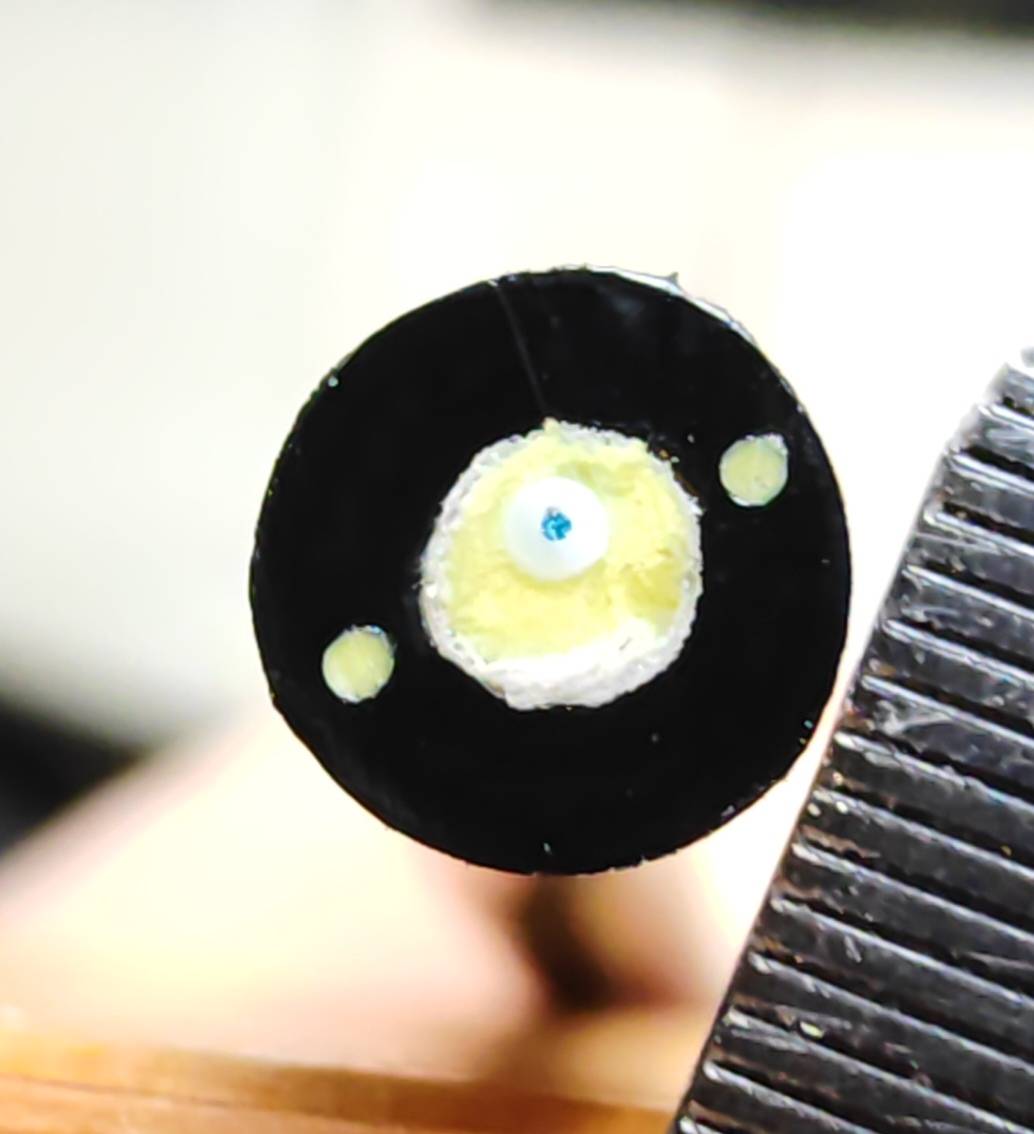
Maps of submarine cables do not show all the land networks carrying internet traffic across African countries. A World Bank-hosted blog published on 20 November argues that clearer terrestrial fibre records are also needed to understand connectivity and resilience.
Authors Stephen Song and Tim Kelly describe the Open Fibre Data Standard, or OFDS, as a shared framework for recording those networks. Its development has involved the World Bank, International Telecommunication Union, Internet Society, Liquid Intelligent Technologies, CSquared and other partners since 2022.
The standard’s technical documentation represents a network as points, called nodes, connected by cable routes, called spans. Explicit identifiers show which route connects to which point, avoiding the assumption that two lines drawn close together must interconnect.
The model also separates the organisation operating network equipment from the owner of the fibre cable and the owner of supporting ducts or poles. Those roles can belong to different organisations. Records can distinguish planned infrastructure from operational assets.
The authors explain that the widely cited claim that submarine cables carry about 99% of internet traffic concerns intercontinental traffic. It does not mean that nearly all local browsing or communication crosses an ocean; content can be delivered through domestic networks and nearby data centres.
OFDS allows different levels of sharing, including information restricted to operators or regulators. A common format can improve the clarity of available records, but it is not a construction commitment, a performance guarantee or proof that every network has been mapped.
Have a verified news development or story? Send news submissions and supporting materials to news@inafrika.co.tz.