Friday 24th April 2026
By inAfrika Newsroom
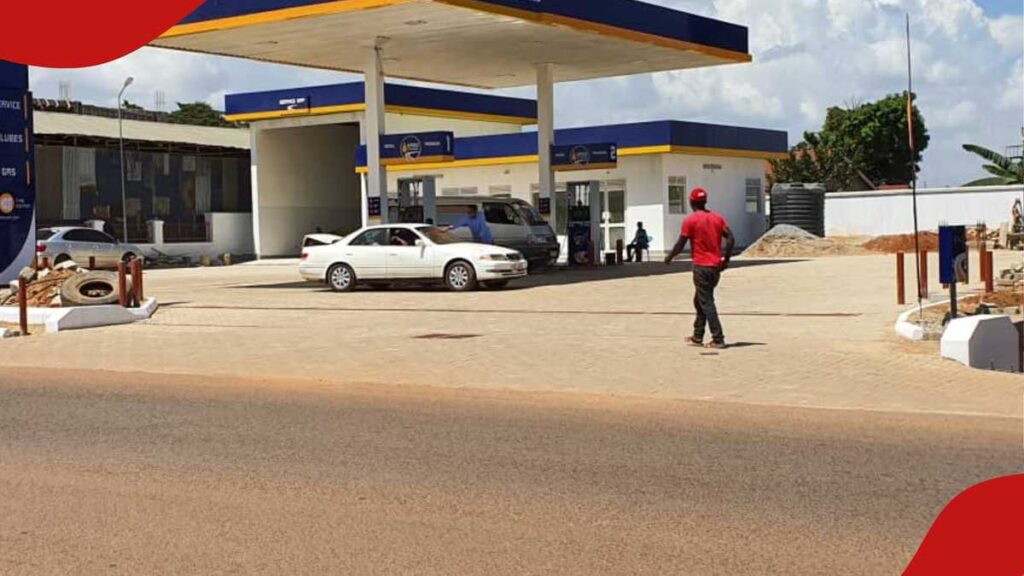
Kenya fuel prices April 2026 remain a top regional search issue after the energy regulator recalculated pump prices for the 16 April to 14 May pricing window. The adjustment matters now because fuel costs affect Nairobi commuter fares, food distribution, freight, aviation and household spending.
Kenya’s Energy and Petroleum Regulatory Authority said the maximum retail pump prices for 16 April to 14 May 2026 were recalculated after the Treasury revised the VAT rate from 13% to 8% under Legal Notice No. 70 dated 15 April 2026.
Before the recalculation, the regulator had announced large increases linked to imported product costs. Petrol was raised by 16.1% to KSh 206.97 per litre, diesel by 24.2% to KSh 206.84, while kerosene was maintained at KSh 152.78. The regulator cited a rise of as much as 68.7% in imported petroleum product costs.
Here is what the new fuel price means for matatu fares and food transport. Diesel is central to trucks moving maize, vegetables, milk and manufactured goods from production zones into Nairobi, Mombasa, Kisumu and cross-border routes.
The Kenya case also matters for Tanzania, Uganda, Rwanda and South Sudan because regional freight corridors use Mombasa, Dar es Salaam and inland transit routes. A jump in fuel costs in one corridor can change routing decisions, delivery schedules and pricing behaviour across East Africa.
Kenya fuel prices April 2026: What changes for businesses and households
Transport operators now face a pricing window that runs through 14 May 2026. That creates a short-term planning period for bus companies, logistics firms, supermarkets, construction suppliers and informal traders. Businesses with fixed delivery contracts may absorb losses until they renegotiate rates.
Households will track the impact through fares, cooking fuel substitution and food prices. Even when kerosene stays lower than petrol and diesel, households can still face indirect pressure because farm-to-market transport depends heavily on diesel.
For government, the VAT reduction shows an effort to cushion consumers without fully reversing the global price shock. The key public question is whether the next pricing review lowers pump pressure or extends higher operating costs into May.

 Portuguese
  English
  Swahili
  French
  Chinese