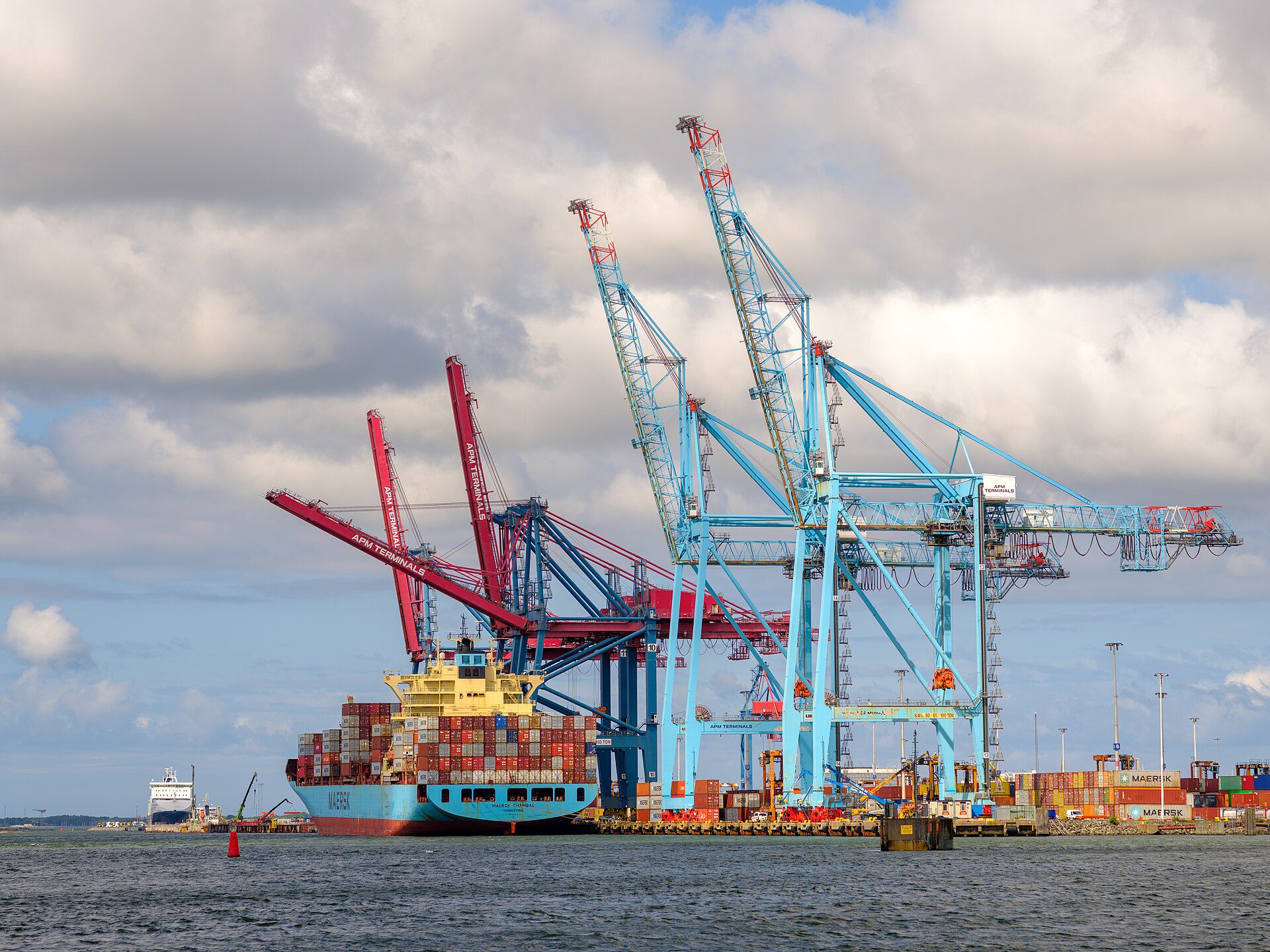
Maersk Chambal in Gothenburg, Sweden, 3 July 2025. File photograph, not a voyage covered by the Tanzania tariff notice. Photo: ArildV, CC BY-SA 4.0.
By inAfrika Newsroom
Maersk has announced revised peak-season surcharges for cargo moving from China and Hong Kong to Dar es Salaam and Kenya, effective 9 November 2026 until further notice. The notice concerns an additional charge on applicable bookings, rather than the full price of transporting a container.
The carrier’s 26 October advisory lists USD 1,200 for a 20-foot container bound for Dar es Salaam and USD 2,000 for 40-foot and 45-foot containers. Kenya-bound cargo is listed at USD 1,000 for 20-foot containers and USD 2,000 for both larger sizes.
These are the announced surcharge levels, not the amount by which they have increased. The advisory does not provide the previous tariff alongside the new figures, so it cannot establish the change in an importer’s costs by itself.
Booking terms also matter when deciding which rate applies. Maersk distinguishes non-SPOT bookings, assessed using its price-calculation-date rules, from SPOT bookings, which follow booking-confirmation or vessel-departure-date provisions described in the notice.
A Tanzanian importer comparing quotations should therefore ask the forwarder or carrier to identify the applicable booking category and calculation date. A vessel sailing after 9 November does not, by that fact alone, explain every contractual charge on an existing booking.
The practical budget is the complete movement from supplier to destination. Ocean freight, the stated surcharge and other applicable local or contingency charges need to be identified separately before comparing an offer with a competing service.
Container utilisation can also change the cost per item, although a larger box is not automatically the cheaper choice. Cargo weight, available volume and handling requirements determine whether the additional space can actually be used.
Businesses with November orders should obtain an itemised confirmation for the specific cargo and booking. The published notice establishes the carrier’s announced tariff scope; it does not guarantee a final landed cost or a delivery date.
Have a verified news development or story? Send news submissions and supporting materials to news@inafrika.co.tz
DP World’s planned China Africa Link includes Dar es Salaam and Maputo. A late-November start remains subject to operating schedules and confirmed sailings.
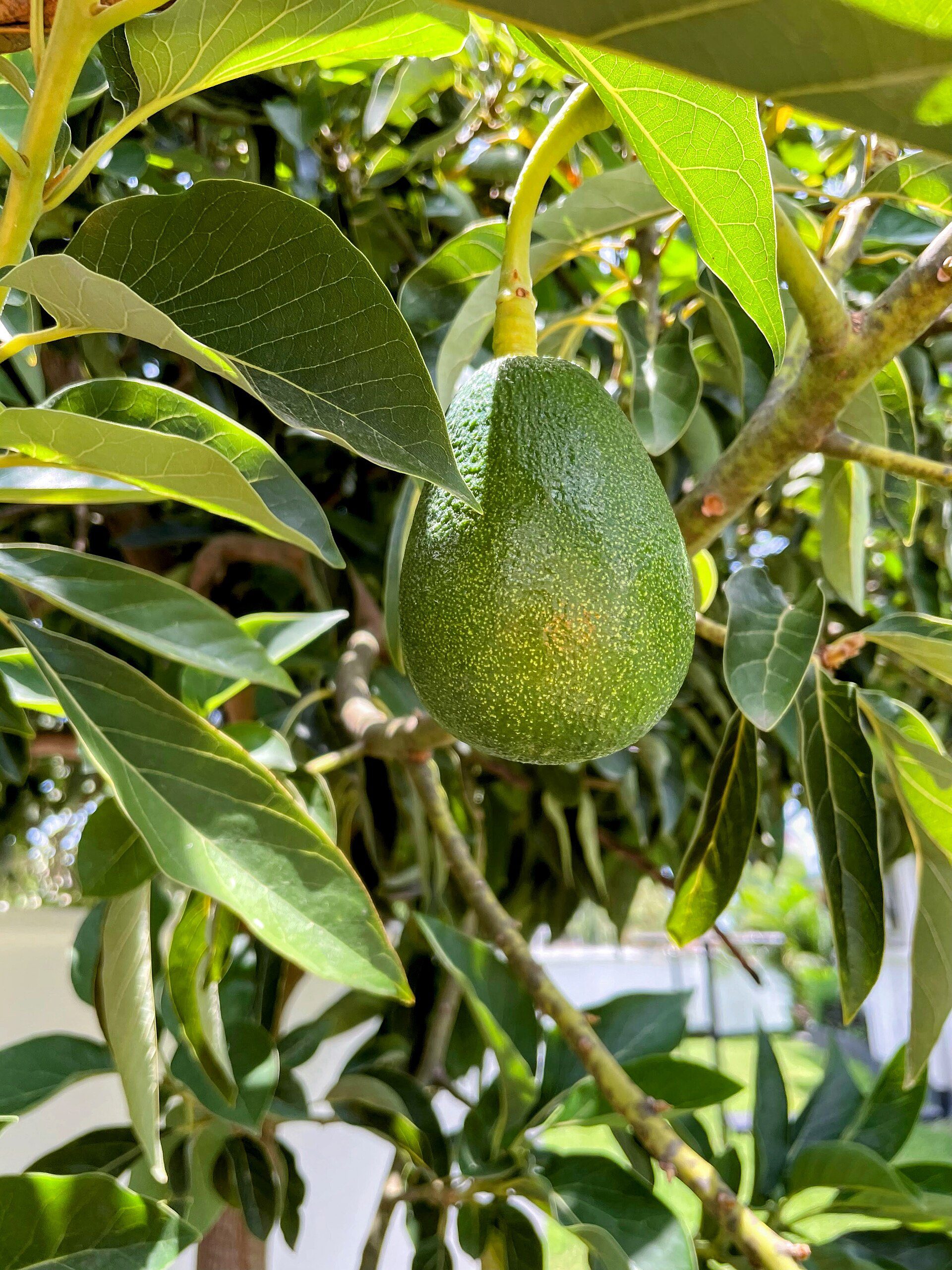
COPRA’s figures show avocado export tonnage growing faster than receipts. An aggregate per-tonne calculation explains the distinction without implying a farmgate price.
Engineers report Mbamba Bay port construction at 78%, against a February 2027 target. The next test is turning works into a reliable Lake Nyasa freight route.

 Portuguese
 English
 Swahili
 French
 Chinese