Monday 2nd March 2026
By inAfrika Newsroom
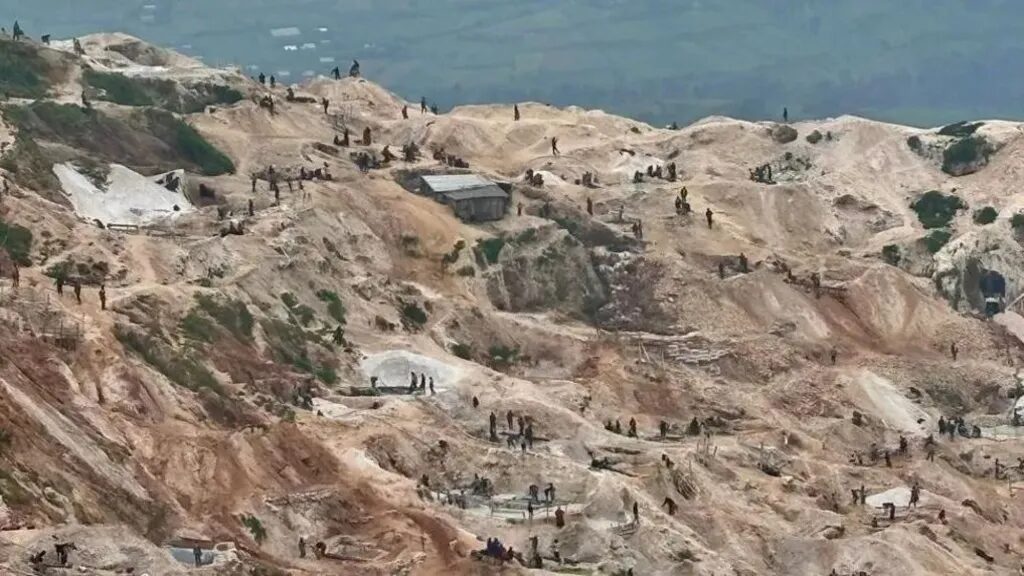
More than 200 people died in a landslide triggered by heavy rains at the Rubaya coltan mine in eastern Democratic Republic of Congo, the country’s mines ministry said on Wednesday. The Rubaya mine landslide has renewed scrutiny on safety conditions in artisanal and industrial-adjacent mining zones that sit at the heart of global mineral supply chains.
The ministry said the collapse occurred on Tuesday after rainfall destabilised the site, one of the region’s best-known coltan mining areas. Rubaya is located in a conflict-affected part of the country where governance constraints, informal extraction, and armed presence have long complicated enforcement of labour and safety standards.
Coltan is used in components for electronics, making eastern Congo strategically significant to downstream manufacturers and traders. However, the same strategic value can mask persistent operational risks: poor slope management, weak drainage, limited geotechnical assessment, and the prevalence of informal pits and tunnels can raise fatality risks during heavy rains.
While Congo has taken steps over time to formalise parts of the sector, implementation gaps remain wide, especially in remote areas where state presence is thin. For local communities, mining is often one of the few accessible income sources, which can push workers into hazardous conditions when oversight is limited and alternative livelihoods are scarce.
The disaster also intersects with climate and infrastructure realities. Extreme rainfall events can overwhelm rudimentary site controls and community access roads, slowing emergency response. Health facilities in the east can be stretched even in normal periods, and large casualty events can quickly exceed local capacity.
For regional policymakers, the incident will likely sharpen questions about mine licensing, inspection capacity, and the role of buyers in enforcing standards through supply-chain requirements. Internationally, firms face growing expectations to demonstrate responsible sourcing and traceability, particularly for minerals linked to high-risk zones.
Next steps
Authorities are expected to focus on recovery operations, casualty accounting, and site stabilisation. The ministry may also order inspections or temporary suspensions at nearby sites during the rainy period, while provincial actors review whether additional controls are required for slopes, drainage, and pit management.
Why it matters
The Rubaya mine landslide is a human tragedy with wider economic implications. It exposes the safety and governance risks embedded in critical mineral supply chains and can intensify pressure for stricter due diligence, potentially affecting trade routes, pricing, and investment in Congo’s mining sector.

 Portuguese
  English
  Swahili
  French
  Chinese