Tuesday 20th January 2026
By inAfrika Newsroom
South Africa 3% inflation target progress moved into focus at the World Economic Forum on Tuesday after the South African Reserve Bank governor said the country is on track to reach its new target by 2026, citing stable price trends across categories. The South Africa 3% inflation target is a key policy anchor because it shapes interest rate expectations, wage bargaining assumptions, and investor confidence in macro stability.
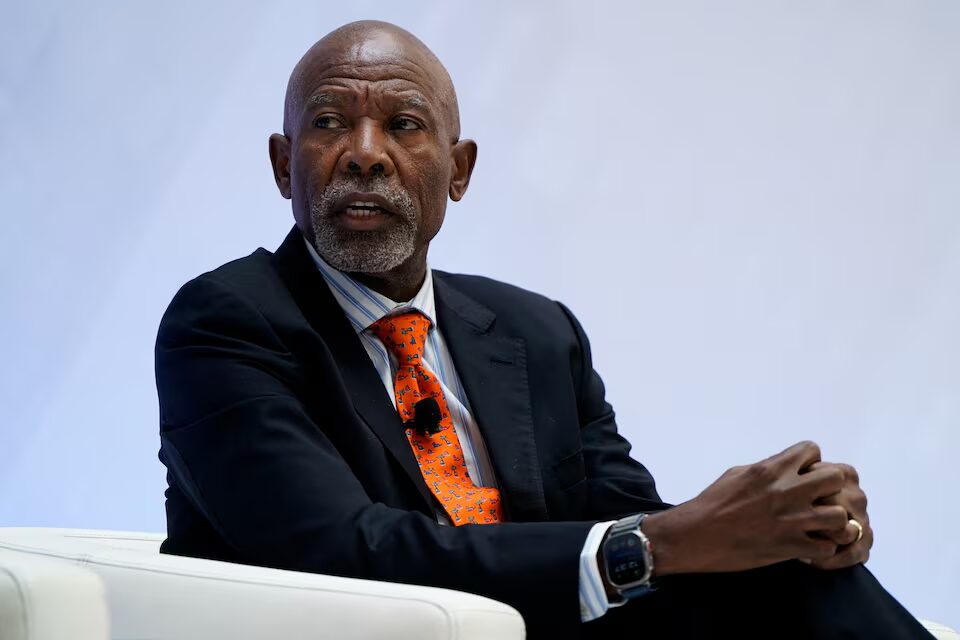
Governor Lesetja Kganyago said inflation is aligned with the target framework. Reuters reported that South Africa lowered its inflation target to 3% in 2025 for the first time in 25 years, while keeping a tolerance band of plus or minus 1 percentage point. The central bank had previously projected reaching the level by 2027, but the latest guidance brings the timeline forward.
The SARB expects annual inflation for 2025 to fall between 3.2% and 3.4%, and it sees the 2026 average at around 3.6%, according to Reuters. These projections sit within the revised framework and suggest that the bank believes disinflation is holding even as the economy manages energy costs, logistics constraints, and global volatility.
Monetary policy settings remain tight relative to recent history. The SARB’s main lending rate stands at 6.75%. Reuters said the bank’s model implies there may be room for two further 25-basis-point cuts during the year, depending on incoming data and risk conditions.
For households and firms, the practical issue is whether lower inflation expectations translate into lower borrowing costs and improved planning certainty. Firms often use inflation trends to forecast input costs and adjust pricing. Households use them to assess real wage pressures and consumer spending decisions.
South Africa’s inflation outlook also carries regional spillovers. The country is a key supplier and market for neighbouring states. When price stability improves, it can support more predictable trade pricing and reduce volatility in regional portfolios that hold South African assets.
South Africa 3% inflation target and the rate path
The central bank’s next Monetary Policy Committee meeting is scheduled for the following week, Reuters reported. Market attention will therefore turn to whether the SARB’s messaging on disinflation and risk conditions supports a near-term cut or signals continued caution.
Next steps
South Africa 3% inflation target monitoring will intensify around the upcoming MPC decision, updated forecasts, and changes in global energy and food prices that can shift the local inflation path. Investors will also watch how the government and central bank communicate the target transition to anchor expectations without undermining growth.
Why it matters
South Africa 3% inflation target credibility matters because it can lower long-term borrowing costs, support currency stability, and strengthen investment planning. It also shapes regional risk pricing because South Africa’s markets influence funding conditions and portfolio allocations across Africa.

 Portuguese
  English
  Swahili
  French
  Chinese