Thursday 29th January 2026
By inAfrika Newsroom
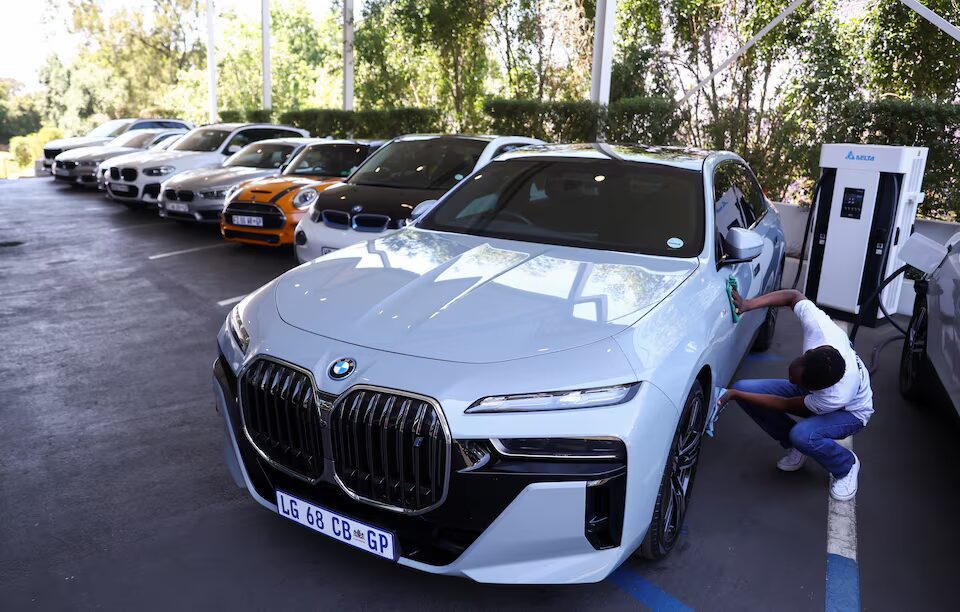
South Africa auto policy focus sharpened on Wednesday after BMW South Africa’s chief executive said the industry is not pushing for steep import duty hikes, but wants targeted adjustments that support domestic manufacturing in a sector facing cost, competitiveness and model-transition pressures.
The comments come as South Africa tries to protect one of its most export-oriented industrial clusters while also preparing for the global shift toward new-energy vehicles, tighter emissions requirements, and more complex supply chains. Automakers and component suppliers depend on stable policy because vehicle production decisions are made years in advance, and plants compete internally for model allocations.
BMW South Africa’s CEO told Reuters that rather than large tariff increases, the industry is focused on policy refinements that strengthen local value addition and keep South Africa competitive as a manufacturing base. Industry leaders have argued that abrupt tariff moves can raise consumer prices, reduce demand, and invite retaliation, while still failing to address structural constraints such as logistics bottlenecks, energy reliability, and skills gaps.
South Africa’s automotive sector is a strategic export earner, with vehicles and parts shipped to Europe, the UK, and other markets. Policy shifts are therefore closely watched by trade partners and by investors that finance supplier expansions. Any perception of protectionism can also complicate trade negotiations and market access.
The debate also lands in a period of heightened trade uncertainty globally. Several countries are using industrial policy to defend domestic production, while investors demand clarity on how African manufacturers will remain competitive amid electrification and evolving standards. For South Africa, the key question is how to modernise incentives so local plants remain integrated into global production networks.
For neighbouring economies, South Africa’s auto policy choices matter because the country anchors regional supply and logistics flows. Ports, transport corridors and component trade linkages mean shifts in production volumes can affect firms and jobs beyond South Africa’s borders.
Next steps
South Africa auto policy focus is expected to move into detailed engagement between industry, the trade and finance authorities, and labour stakeholders on which “targeted adjustments” are prioritised, and how policy can support competitiveness without raising consumer costs.
Why it matters
South Africa’s auto industry supports large-scale employment, exports and supplier ecosystems. Policy stability can protect investment and jobs, while poorly calibrated changes can weaken demand and reduce South Africa’s manufacturing advantage in a fast-changing global vehicle market.

 Portuguese
  English
  Swahili
  French
  Chinese