Friday 24th April 2026
By inAfrika Newsroom
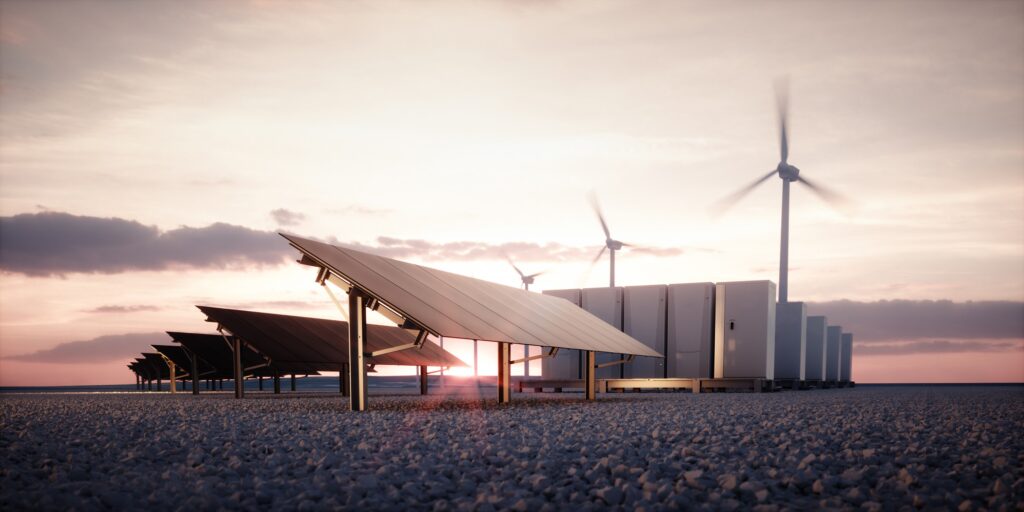
South Africa Germany climate loan 2026 has added new concessional financing for the country’s power grid and renewable energy plans. The loan matters now because South Africa’s electricity system remains central to mining, manufacturing, households and regional trade.
Germany agreed to provide a €200 million concessional climate loan, valued at about $234 million. South Africa’s foreign minister said the financing would support power-grid investment and renewable energy capacity.
The two countries also agreed to deepen cooperation on critical minerals. German and European Union funding for green hydrogen and battery value-chain cooperation was extended by more than €270 million.
The agreement was announced after talks in Berlin on 13 April 2026. It comes during a year in which energy security, grid constraints and industrial competitiveness remain key concerns for South Africa.
Here is what South Africa Germany climate loan 2026 means for businesses and households. Grid investment can improve renewable-energy integration, reduce bottlenecks and support more stable power supply if projects are executed well.
For businesses, the practical issue is electricity reliability. Mines, factories, data centres, retailers and logistics operators need predictable power to protect output and jobs.
For households, grid investment may help reduce service interruptions over time. However, benefits depend on procurement speed, technical execution and tariff management.
For investors, the critical-minerals component is also important. South Africa wants to link minerals, battery value chains, hydrogen and industrial policy instead of exporting raw materials alone.
The regional relevance reaches Namibia, Botswana, Zambia, Mozambique and Tanzania. Southern Africa’s power, mining and transport systems are deeply connected, and stronger South African infrastructure can support broader regional confidence.

 Portuguese
  English
  Swahili
  French
  Chinese