Friday 24th April 2026
By inAfrika Newsroom
South Africa Sasol green jet fuel April 2026 has entered the aviation market after Sasol received sustainability certification for its sustainable aviation fuel. The certification opens a path for exports to the European Union at a time of tight jet fuel supply.
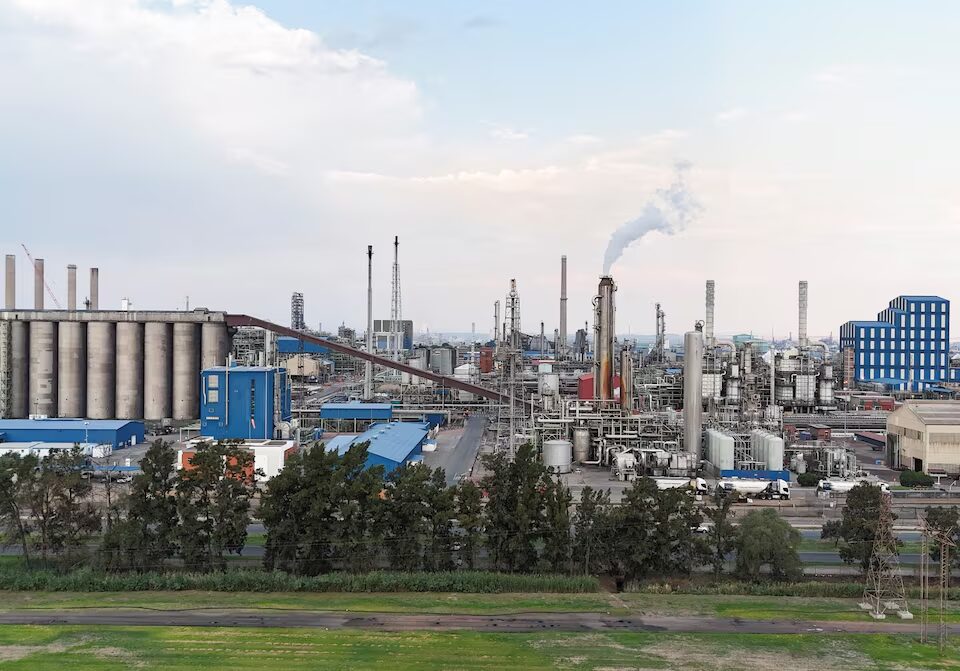
Sasol’s sustainable aviation fuel is produced using used cooking oil and vegetable oil at the 108,500-barrel-per-day Natref plant. Germany’s TUV SUD granted ISCC Plus certification for the fuel, while also certifying sustainable chemicals from Sasol’s Secunda complex.
The company did not give an export start date. However, EU rules require a 6% sustainable aviation fuel blending ratio for planes using European airports by 2030, rising to 70% by 2050.
Production targets are still phased. Natref is targeting 1 million to 2 million litres this year, about 16 million litres in 2027, and up to 100 million litres by 2030. With Secunda included, Sasol sees potential for 200 million litres by 2030.
Here is what South Africa Sasol green jet fuel means for aviation and exports. The project could shift some value from raw used cooking oil exports into domestic fuel production.
South Africa Sasol green jet fuel April 2026: What changes for businesses and households
For airlines, new certified supply from South Africa could diversify procurement if prices are competitive. That matters for carriers operating between Africa, Europe and the Middle East, especially when jet fuel markets tighten.
For South African businesses, the opportunity sits across feedstock collection, logistics, refining, certification, airport supply and export contracts. SMEs involved in waste oil collection and biomass supply could benefit if procurement systems become reliable.
For households, the effect will be indirect. Sustainable aviation fuel can cost more than conventional fuel, so ticket-price effects will depend on blending rules, supply scale and airline contracts.
The wider African angle is strategic. WWF research cited by industry sources estimates South Africa could produce 3.2 billion to 4.5 billion litres of sustainable aviation fuel annually, mainly using alien plant vegetation. That makes the country a potential African aviation-fuel hub.

 Portuguese
  English
  Swahili
  French
  Chinese