Monday 5th January 2026
By inAfrika Newsroom
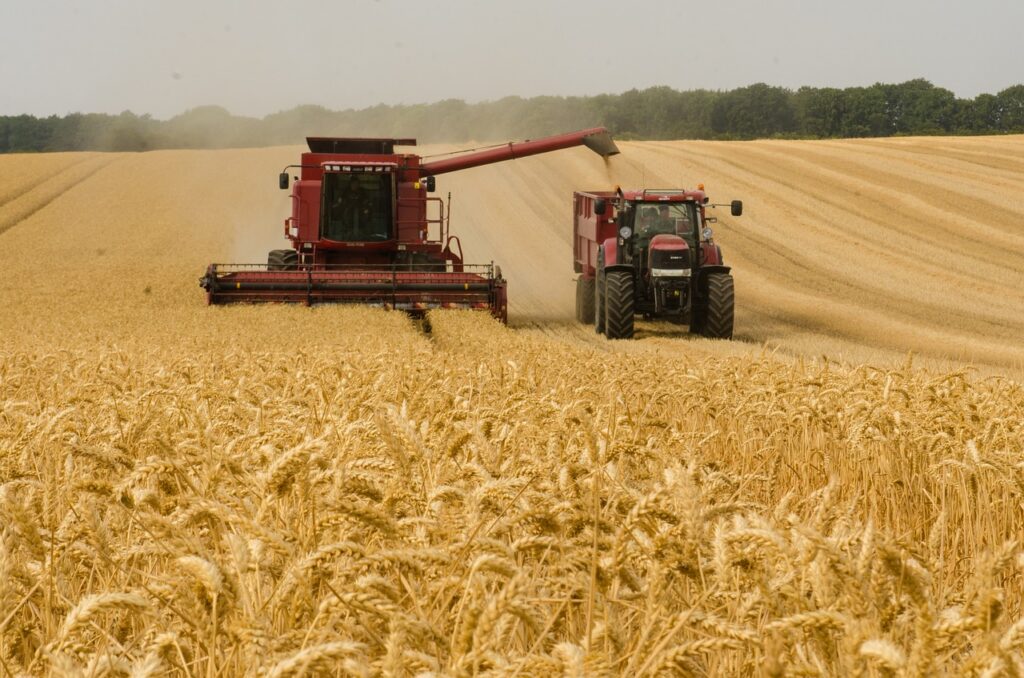
The South Africa winter crop outlook points to a steadier wheat season, with early harvest deliveries underway and forecasts holding despite weather concerns in parts of the Western Cape. Analysts say the country’s 2025–26 winter crop estimate has remained unchanged at 2.77 million tonnes in an official update cited in an Agbiz market note.
Wheat dominates that basket. The same note cites an expected wheat harvest of about 2.03 million tonnes, up year on year, even as some Western Cape areas face weaker conditions. Therefore, a modest recovery in several provinces is helping balance regional stress.
However, South Africa still looks set to import significant volumes. The Agbiz note estimates wheat imports of about 1.74 million tonnes for 2025–26 to meet national needs, although that would be slightly lower than the prior season. Meanwhile, it points to ample global wheat supply as a cushion for import availability and price pressure.
Food inflation is a key watchpoint for 2026. So, a stable harvest and softer global prices can help consumers. Yet farmers may still face margin pressure depending on tariff triggers and input costs. In addition, risks such as animal disease outbreaks were flagged as potential upside threats to food prices.
The broader grains picture has also been supportive. The same Agbiz note cites a strong prior summer grains and oilseeds season and expectations of favourable rainfall patterns for the next cycle. Consequently, the region’s food security outlook may improve, although logistics and electricity constraints can still disrupt storage and processing.
Next steps — South Africa winter crop outlook
Market watchers will track weekly silo deliveries as harvest accelerates, while import tenders and shipping schedules will signal how quickly the supply gap is filled. Meanwhile, policymakers will monitor wheat tariff mechanics and food price trends into 2026.
Why it matters
Wheat prices feed directly into bread and staples. Therefore, a steadier harvest and predictable imports can ease cost-of-living pressure, even as climate variability keeps agriculture risk high.

 Portuguese
  English
  Swahili
  French
  Chinese