Tuesday 20th January 2026
By inAfrika Newsroom
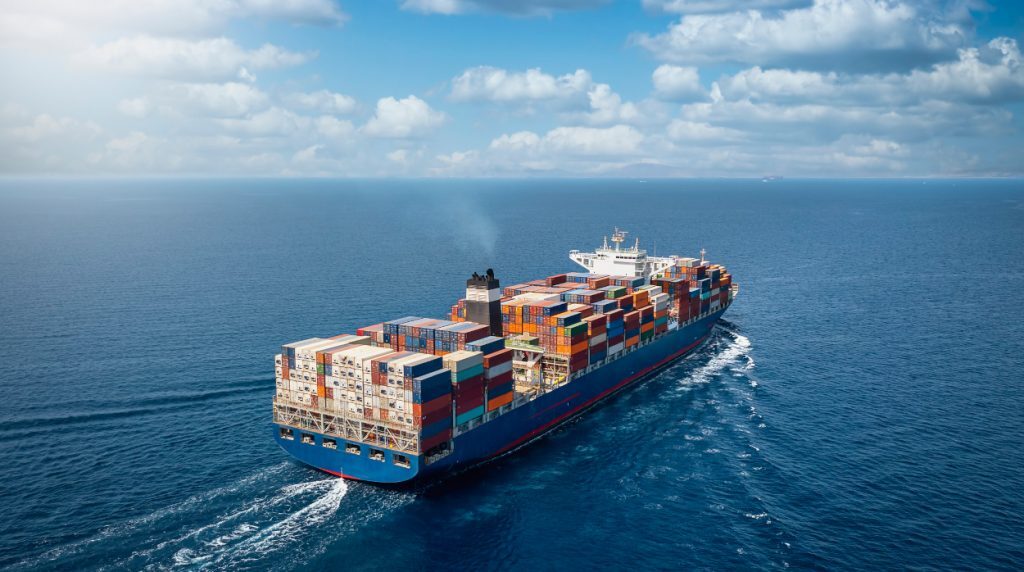
One of the world’s largest container shipping groups says it will resume using the Suez Canal for a major service lane, a change that could reshape freight patterns for Africa bound cargo after months of rerouting around the Cape. The Suez Canal shipping resumption follows improving security expectations tied to a Gaza ceasefire and recent test voyages, easing pressure on longer, costlier routes that had become the default for many carriers.
Maersk said it will resume transiting the canal and Red Sea for its MECL service, which links the Middle East and India to the US east coast, beginning with a vessel departing Salalah on January 26. The decision is part of a phased approach and signals that at least some lines believe conditions now allow partial normalisation.
Shipping through Suez matters for Africa for two reasons. First, East African ports and logistics operators track route choices that affect container availability, scheduling reliability, and transhipment patterns. Second, when vessels detour around southern Africa, some ports see temporary traffic shifts, while importers face longer lead times and higher freight costs that can feed into prices.
Egyptian authorities have also signalled optimism on traffic recovery. Local reporting cited the Suez Canal Authority’s expectation that revenues could improve in the second half of 2026 as more shipping lines move toward normal operations, even if the return is gradual and conditional on sustained stability.
For African traders, the key metric is not only the headline decision by one carrier, but whether other major lines follow and whether insurers and security assessments align. A partial return could still leave many services on Cape routes, creating a mixed system where scheduling remains volatile for some corridors.
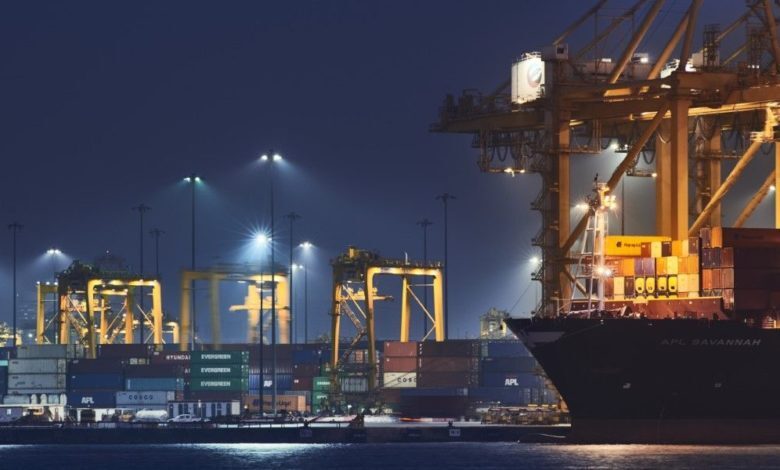
Ports and freight forwarders from Djibouti to Mombasa to Dar es Salaam have adjusted to the detour environment through revised arrival windows and buffer stock planning. If Suez traffic rebuilds, the adjustment will move again, with implications for warehouse occupancy, inland trucking demand, and container repositioning across the region.
Next steps
For Suez Canal shipping resumption, shippers will monitor whether additional carriers restore Red Sea schedules and how quickly reliability improves on key Asia Africa and Europe Africa lanes. Port planners and logistics operators will also update capacity assumptions and transit time estimates as route choices stabilise through early 2026.
Why it matters
Suez Canal shipping resumption matters because route length affects freight rates, delivery times, and working capital for importers and manufacturers across Africa. It also influences port congestion, vessel calls, and trade competitiveness, especially for time sensitive goods and intermediate inputs.

 Portuguese
  English
  Swahili
  French
  Chinese