Sunday 1st November 2026
By inAfrika Newsroom
Tanzania’s November–April rainfall outlook makes access to farms, collection routes and storage sites a practical concern as the new season begins. This is a planning update based on the Tanzania Meteorological Authority’s forecast issued on 23 October, rather than a report that flooding has occurred across the forecast area.
The TMA outlook expects November 2026–January 2027 to be wetter than February–April 2027. It covers areas with one principal rainy season, with above-normal to normal totals forecast across much of western, central and south-western Tanzania.
Named regions include Kigoma, Tabora, Katavi, Singida, Dodoma, Njombe, Iringa, Mbeya, Songwe and Rukwa, together with southern Morogoro. Normal to above-normal rainfall is expected in Ruvuma, Mtwara and Lindi, while the authority identifies flooding and rising river and reservoir levels among possible risks.
Independent coverage of the forecast also stresses that a seasonal outlook describes broad expectations. It cannot establish conditions at every location or predict the weather on a particular delivery date.
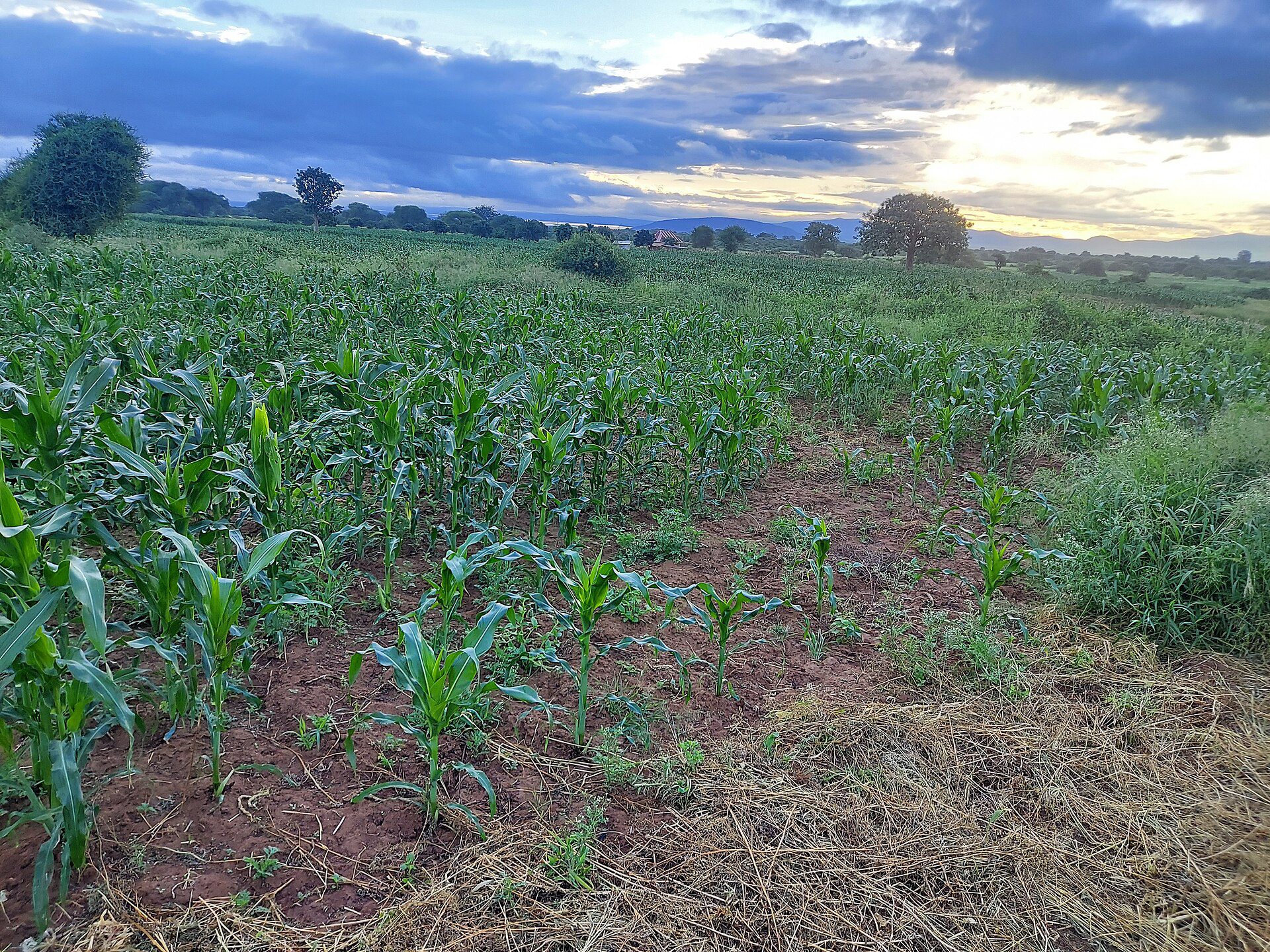
Agricultural businesses face two separate questions: whether rainfall supports production and whether goods can move reliably between producers and buyers. A favourable seasonal total does not by itself show that every collection road, bridge or loading area will remain usable throughout the season.
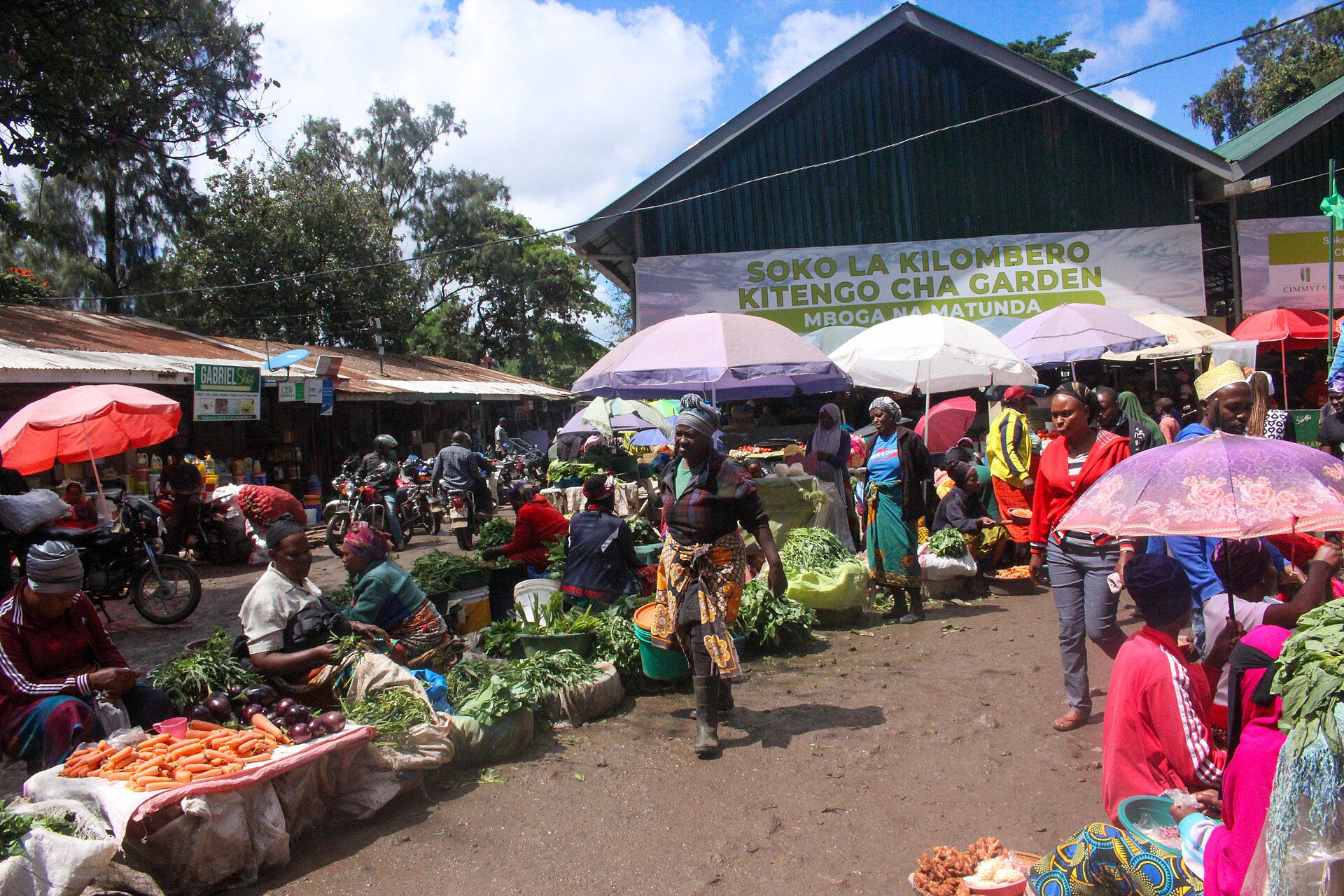
Procurement teams can use the outlook to review which suppliers depend on a single access route and where delays would interrupt processing. The value of that exercise is identifying a vulnerability before making a delivery promise, rather than assuming that disruption is certain.
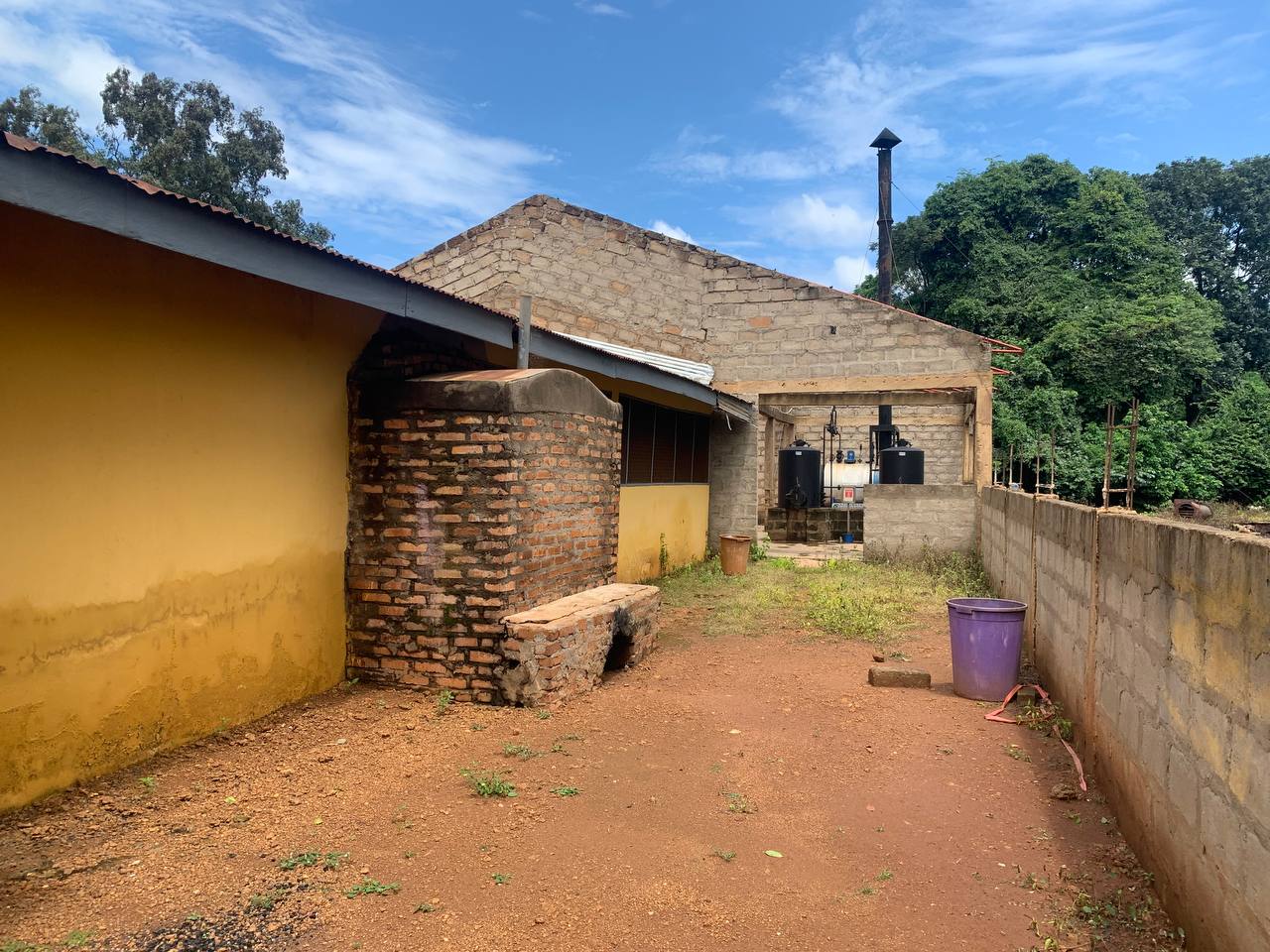
Storage and transport also need to be considered together when planning collections. A processor awaiting raw material and a farmer waiting for a vehicle experience the same delay differently, which makes clear communication about timing and acceptance conditions commercially important.
The outlook adds weather context to investment in regional food logistics. Decisions about individual routes and field operations should follow updated local forecasts and official warnings as the season develops.
Have a verified news development or story? Send news submissions and supporting materials to news@inafrika.co.tz

 Portuguese
 English
 Swahili
 French
 Chinese