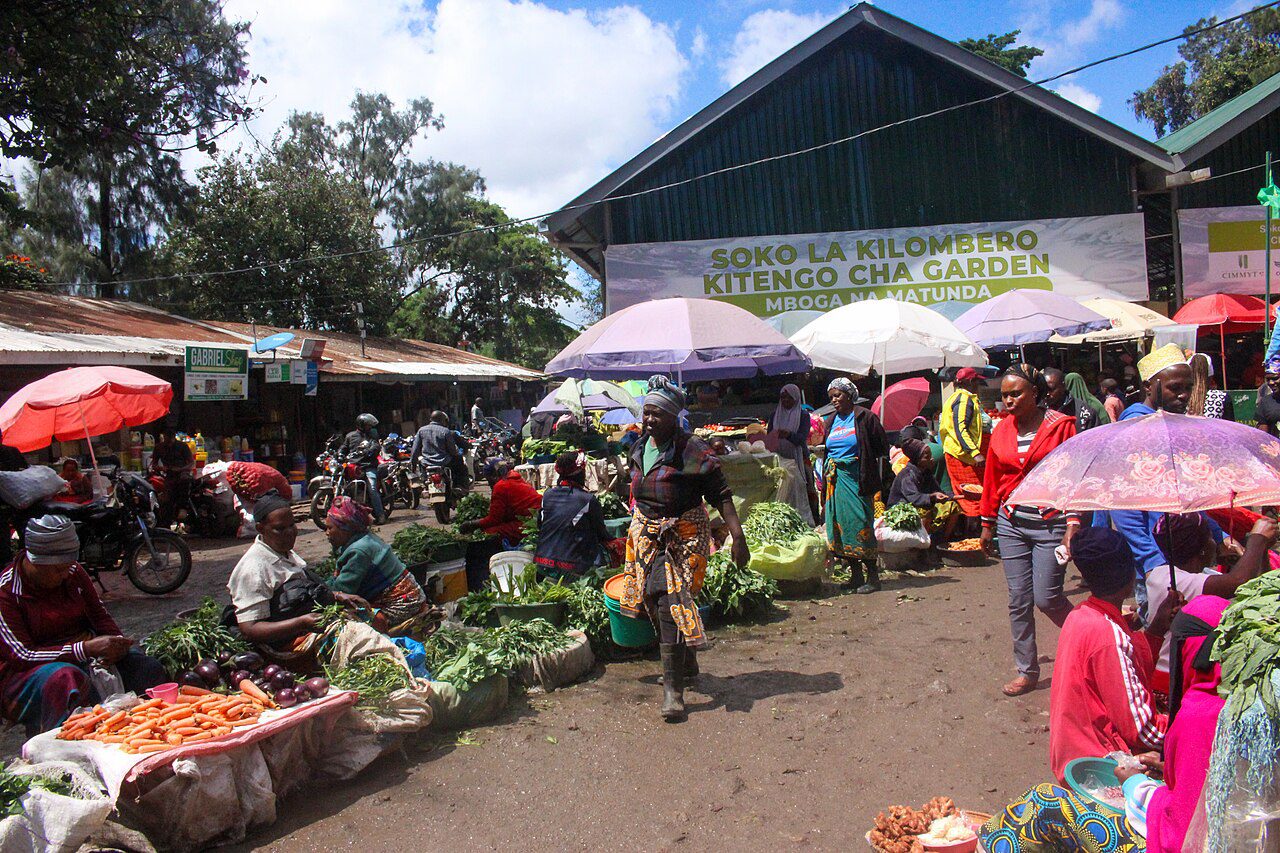
Institutional file photograph: Tanzania Breweries premises in Arusha, 11 May 2024; not the scholarship signing in Dar es Salaam. Photo: Bajcetic / Wikimedia Commons, CC0; resized.
The Ujuzi Kwanza scholarship focuses on operation and maintenance of agricultural machinery. Training is planned at VETA centres in Kihonda, Manyara, Mpanda, Arusha and Dakawa, according to the report.
Tanzania Insight’s account of the programme says TBL will cover training fees, while VETA supplies training and recognised qualifications. It describes the intended beneficiaries as young people from low-income households.
The same account identifies practical experience in agricultural operations, including opportunities in TBL’s barley and sorghum farming communities. These are programme arrangements and intended opportunities, rather than evidence that the full cohort has already enrolled or found work.
The partnership addresses a service requirement behind mechanisation: equipment needs capable operators and people who can maintain it. Purchasing a machine does not by itself establish the local skills and repair arrangements needed to keep it productive.
The distinction matters for farmers and processors whose production schedules depend on timely field operations. A breakdown during a narrow planting or harvesting window can disrupt more than the individual machine’s working day.
Training can also support service businesses, but a qualification alone does not supply the tools, spare parts, working capital or customer relationships needed to operate one. Those practical conditions will help determine whether new skills become sustained employment or self-employment.
The next milestones are intake arrangements, completed training and evidence of how graduates use their skills. The initiative complements InAfrika’s coverage of Tanzania’s agricultural marketing chain, where stronger production services and reliable market transactions address different parts of the same rural economy.
Reported sales exceeded TZS 300bn during the opening fortnight, while the cashew regulator said a minority of buyer-payment delays still required attention.
A joint regulatory working group will develop mutual recognition of food radioanalysis certificates, aiming to reduce duplicate testing without removing safety controls.

 Portuguese
 English
 Swahili
 French
 Chinese