Wednesday 21st January 2026
By inAfrika Newsroom
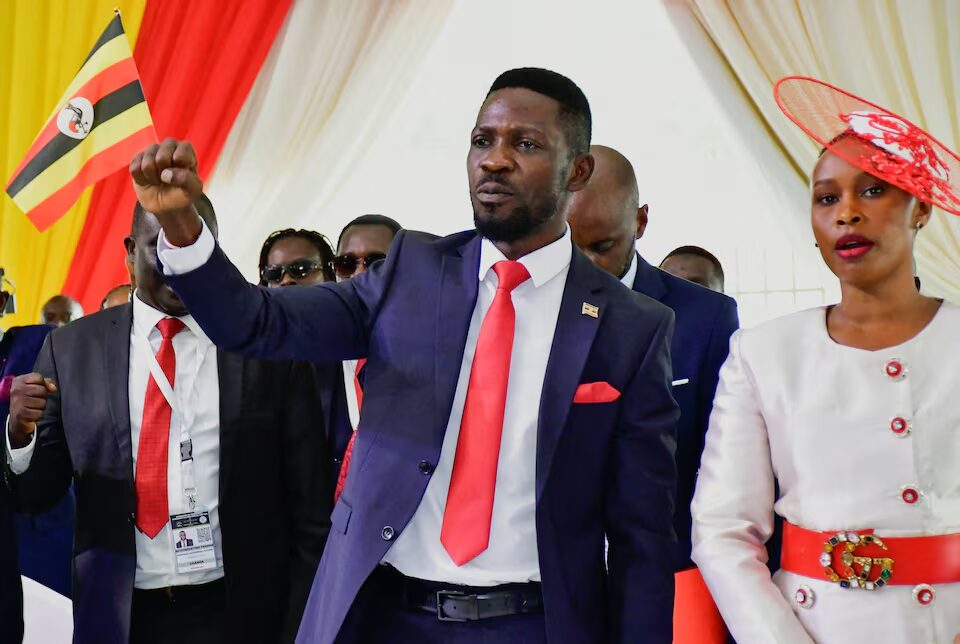
Uganda opposition supporters charged have become a major governance flashpoint after court documents and party officials said more than 100 people linked to the National Unity Platform were charged following unrest after the January 15 election.
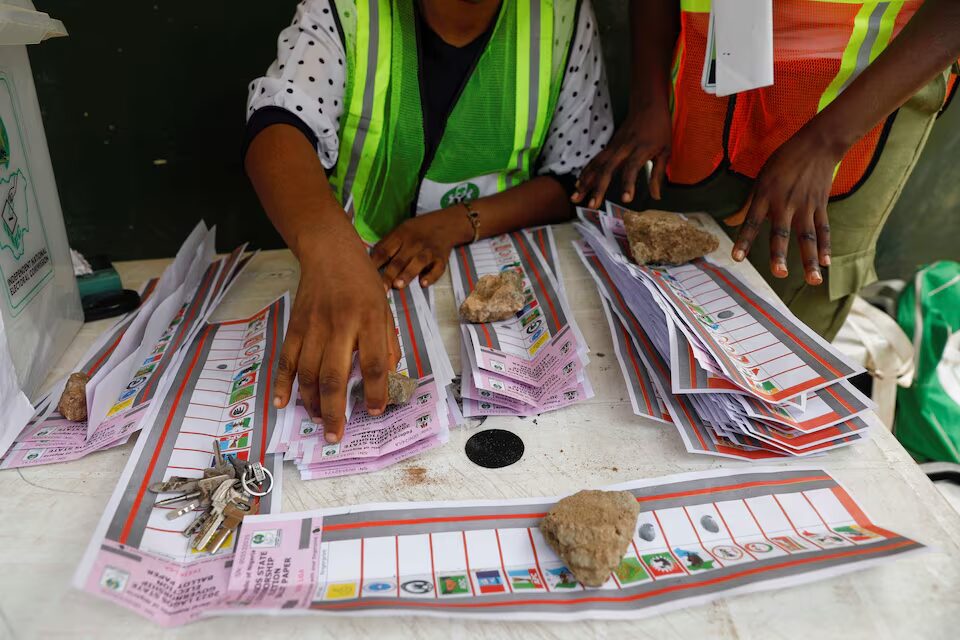
The charges include offences such as unlawful assembly and conspiracy, according to the Reuters report. The opposition party said many of those arrested were polling agents and denied that they took part in violence. The developments come after official results showed President Yoweri Museveni winning with 71.6%, while opposition leader Bobi Wine received 24%, figures the opposition has rejected.
Reuters also reported that the Ugandan military chief, Muhoozi Kainerugaba, issued a 48 hour ultimatum for Wine to surrender to police and made hostile remarks about him. Wine’s current whereabouts have been unclear in recent days after he said he fled a raid on his home.
Uganda opposition supporters charged and the rule of law test
Uganda’s post election environment is being assessed through two lenses: public order and rights protection. The Reuters report noted that protests in Kampala after results were announced were quickly suppressed, while the U.N. Human Rights Office has previously accused Ugandan security forces of using excessive force and arbitrarily detaining opposition supporters.
For the state, the operational question is how to maintain security while protecting due process. For the opposition and civil society, the central concern is whether arrests and prosecutions are targeted at political organisation rather than criminal conduct. These tensions tend to shape public confidence in institutions, especially the courts, police leadership, and electoral administration.
The economic implications are indirect but real. Political instability can affect tourism sentiment, business travel, and investment decisions, particularly in sectors that rely on predictable operating conditions. It can also increase the cost of security for firms and disrupt urban commerce when protests or clampdowns affect mobility.
Regionally, Uganda’s developments matter because the country sits on key transport corridors to South Sudan, eastern DRC, and Rwanda. Any sustained instability can complicate logistics planning and cross border trade flows, even if disruption is localised.
Next steps
Uganda opposition supporters charged will shift attention to court proceedings, access to legal representation, and how authorities handle further political mobilisation. The whereabouts and legal status of Bobi Wine will also remain a focal point as security agencies and the opposition trade statements and claims.
Why it matters
Uganda opposition supporters charged matters because the handling of election disputes affects institutional credibility, social stability, and investor confidence. It also shapes how East African partners assess governance risk in a country that plays a central role in regional trade corridors.

 Portuguese
  English
  Swahili
  French
  Chinese