Wednesday 18th February 2026
By inAfrika Newsroom
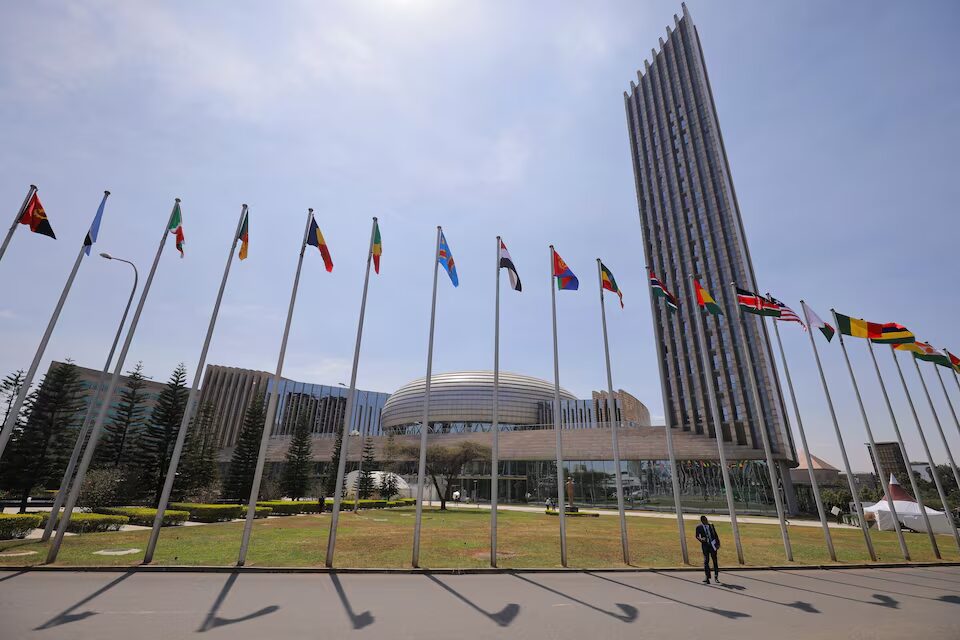
Saudi-UAE rivalry in Horn of Africa is shaping diplomatic calculations as African leaders meet around the African Union summit agenda, with diplomats and analysts describing pressure on regional actors to avoid being drawn into Gulf competition. The rivalry, Reuters reported, is affecting a zone already strained by conflict, cross-border tensions, and high-stakes maritime trade routes.
Reuters said what began as competition linked to Yemen has spread across the Red Sea into the Horn, spanning crises from Somalia and Sudan to Ethiopia-Eritrea tensions and a divided Libya. Diplomats told Reuters that most African leaders will try to avoid openly choosing sides, even as Gulf states deepen influence through financing, diplomacy, and security relationships.
The report said the United Arab Emirates has become a significant actor in the Horn through multi-billion-dollar investments, robust diplomacy, and discreet military support, while Saudi Arabia has been more low-profile but is building an alignment that includes Egypt, Turkey, and Qatar.
Saudi-UAE rivalry in Horn of Africa: key details
Reuters reported that Gulf involvement is “forcing countries, regions and even warlords to choose a side,” according to diplomats cited in the story. A Horn of Africa specialist quoted by Reuters said several regional actors have grown uneasy with the UAE’s “muscular” foreign policy, even as the UAE retains leverage through military reach and financial linkages.
The rivalry’s stakes extend beyond politics. Reuters highlighted the Red Sea and Gulf of Aden as crucial shipping routes, and described the competition as reaching further inland. This intersects with African priorities on port access, corridor security, and maritime stability, which investors and logistics operators track closely.
Reuters identified Israel’s recognition of Somaliland’s independence bid as a sharp recent flashpoint. The report said Somalia cut ties with Abu Dhabi and accused it of influencing that recognition, then signed a defence agreement with Qatar, while Turkey sent fighter jets to Mogadishu in a show of force.
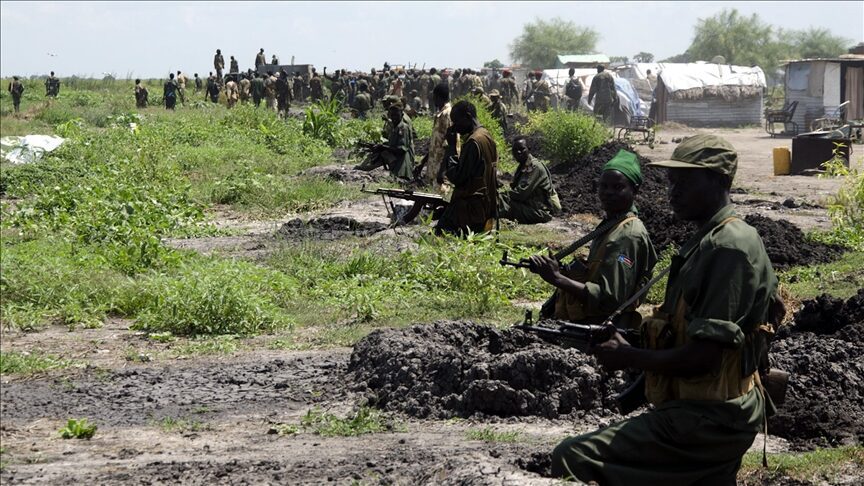
The same Reuters report said UAE and Saudi Arabia back opposing sides in Sudan’s war, with the UAE accused of logistical support to the Rapid Support Forces while Saudi-aligned states largely back the Sudanese Armed Forces. The UAE has denied allegations that it fuels conflict, Reuters noted, while senior Emirati officials told Reuters their strategy strengthens states against extremists. Diplomatic attention to the Horn may also compete with other AU agenda items. Reuters noted ongoing war in the Democratic Republic of Congo and insurgencies in the Sahel linked to al Qaeda and Islamic State, even as diplomats expect the Horn dynamic to dominate.

 English
  Swahili
  French
  Portuguese
  Chinese