Monday 23rd February 2026
By inAfrika Newsroom
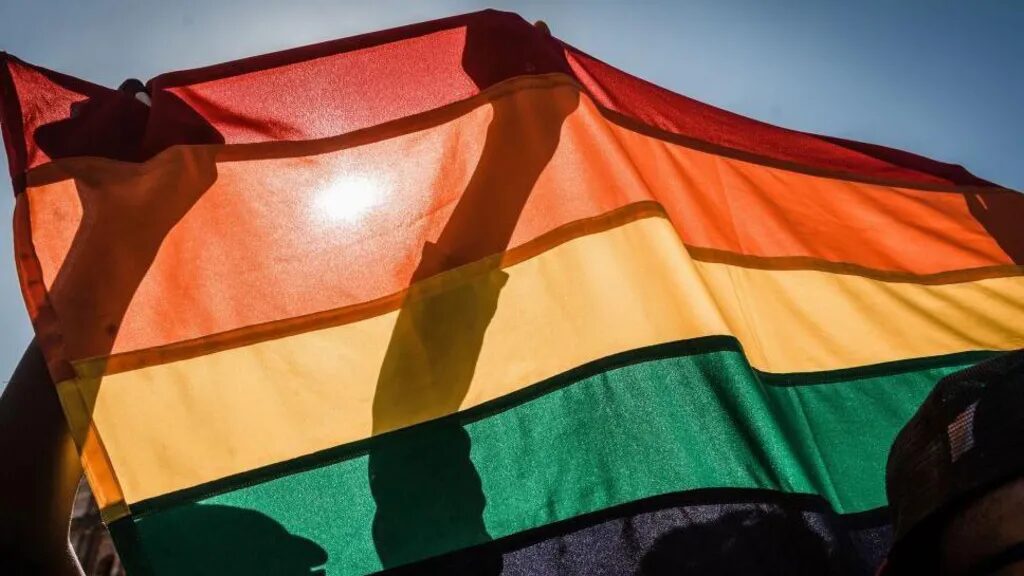
Senegal anti-LGBT law proposal moved into the political spotlight after Prime Minister Ousmane Sonko said he supports legislation that would double prison terms for same-sex relations, Reuters reported, as lawmakers debate changes that would toughen an already restrictive legal framework.
Under Senegal’s current law, same-sex relations are criminalised, and the proposed legislation would increase penalties. The issue has been politically charged in Senegal, where social attitudes and religious influence shape public debate and where political leaders have faced pressure to adopt hardline positions.
The proposal is unfolding within a wider regional context where several governments are tightening or debating laws related to sexuality and public morality, often citing cultural values and social cohesion. At the same time, rights groups and international partners have raised concerns that harsher penalties can increase fear, reduce access to health services, and encourage harassment or blackmail.
Reuters reported that Sonko’s comments come as Senegal’s political leadership seeks to manage domestic expectations and maintain authority after a period of heightened political tension. Legal changes of this kind often function as political signals, and they can also affect international relationships, including development partnerships and diaspora engagement, where social policy issues can influence perceptions and advocacy pressure.
For policymakers, one operational question is enforcement. Changes in penalties can alter policing priorities and prosecution patterns, and can affect how courts interpret evidence thresholds and due process protections. For health systems, especially where programmes depend on outreach to marginalised groups, legal risk can shape service access and data reporting.
Senegal’s position also matters to investors tracking governance stability and regulatory predictability. While social legislation does not directly determine macroeconomic policy, it can influence reputational risk assessments for multinational firms, development finance institutions and partners with social safeguards standards.

 English
  Swahili
  French
  Portuguese
  Chinese