Opinion
When public officials divert development money into private pockets, they take more than funds. They take clean water, functioning hospitals, productive farms and opportunities for children to escape poverty. They weaken the economic foundations that would allow their countries to negotiate with wealthy nations from a position of strength.
An economy dependent on foreign loans, imported technology, external markets and donor support has limited freedom when those relationships change. Creditors can tighten conditions. Donors can withdraw funding. Export markets can close. Domestic corruption deepens this vulnerability by consuming the resources that should build national capacity.
The economic cost extends beyond the amount stolen. Properly invested money generates benefits over time. In a 2016 statement, WHO cited an estimated USD 4.30 in economic benefits for every USD 1 invested in water and sanitation, through reduced healthcare costs and improved productivity. These benefits accrue over time, rather than representing annual government revenue.
Using that ratio illustratively, a suitable USD 10 million investment could generate USD 43 million in total benefits. Diverting USD 2 million could destroy USD 8.6 million in potential benefits if outcomes declined proportionately. Where missing funds prevent an entire system from operating, the consequences could be greater.
For vulnerable families, these losses become concrete: another illness, another missed school day, another working day spent collecting water. Wealthier households can purchase alternatives. Poor households absorb the failure through their health, time and income.
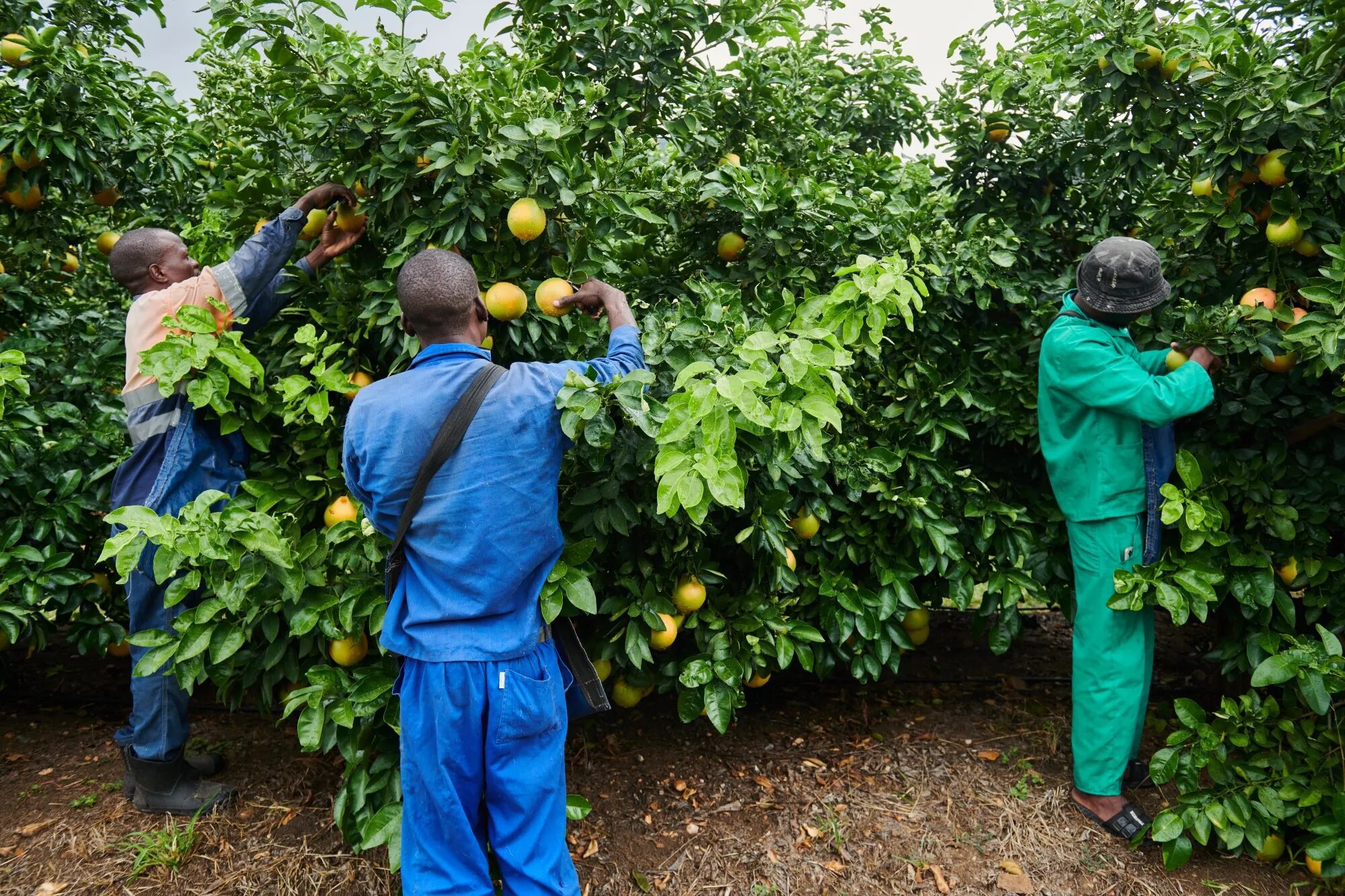
Education demonstrates the stakes. The World Bank reports approximately 9% higher hourly earnings for each additional year of schooling, on average globally. This relationship depends on learning quality and labour-market conditions. Nevertheless, money that delivers effective education can strengthen earning power throughout a working life.
The central question is whether funding produces results. A clinic requires medicines and staff. A road requires maintenance and useful connections. A training programme requires marketable skills. Announcing expenditure proves that money was committed; functioning services demonstrate public value.
IMF analysis published in 2020 estimated that countries lose around one-third of infrastructure investment’s potential value through inefficiencies, with losses exceeding 50% in some low-income countries. These include planning and implementation failures alongside governance weaknesses. They cannot all be labelled theft.
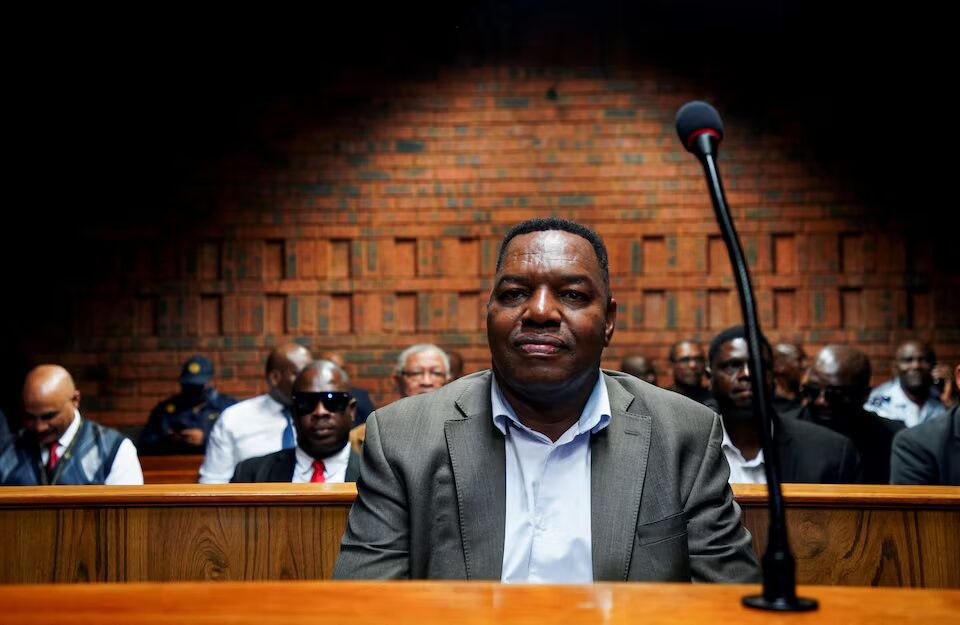
Deliberate theft, however, has documented consequences. In Mozambique’s hidden-debt scandal, the US Department of Justice reported that more than USD 200 million was diverted into bribes and kickbacks within a roughly USD 2 billion scheme. Former finance minister Manuel Chang was convicted in August 2024.
The World Bank described a prolonged downturn following the crisis. Inflation reached 17.4% at the end of 2016. External public and publicly guaranteed debt increased from 61% of GDP in 2016 to 104% in 2018 as hidden liabilities emerged. Other shocks contributed, but the scandal damaged confidence and constrained public finances.
Citizens inherited obligations while connected individuals received private rewards. International enablers also benefited: the Justice Department documented approximately USD 50 million in kickbacks to Credit Suisse bankers. Accountability must follow the entire transaction, including officials, contractors, financiers and intermediaries.
Across governments where procurement rewards political connections and personal enrichment, national priorities become secondary. Continental ambitions suffer when budgets intended to connect markets, develop industries and strengthen institutions are redirected towards private accumulation.
The remedy requires published contracts, transparent ownership, independent audits, protected whistleblowers and consequences that reach powerful beneficiaries. Development returns must be measured through services delivered, household welfare, productivity and sustainable revenue.
Every stolen development dollar weakens tomorrow’s economy. It leaves communities poorer, governments more financially constrained and nations more dependent on decisions made elsewhere. Leaders who enrich themselves through public office mortgage the future they were entrusted to build.
Featured image: container-port infrastructure, from the InAfrika media archive. Used to illustrate trade and productive capacity; no allegation concerning the facility pictured is implied.

 Swahili
 English
 French
 Portuguese
 Chinese