Sunday 1st November 2026
By inAfrika Newsroom
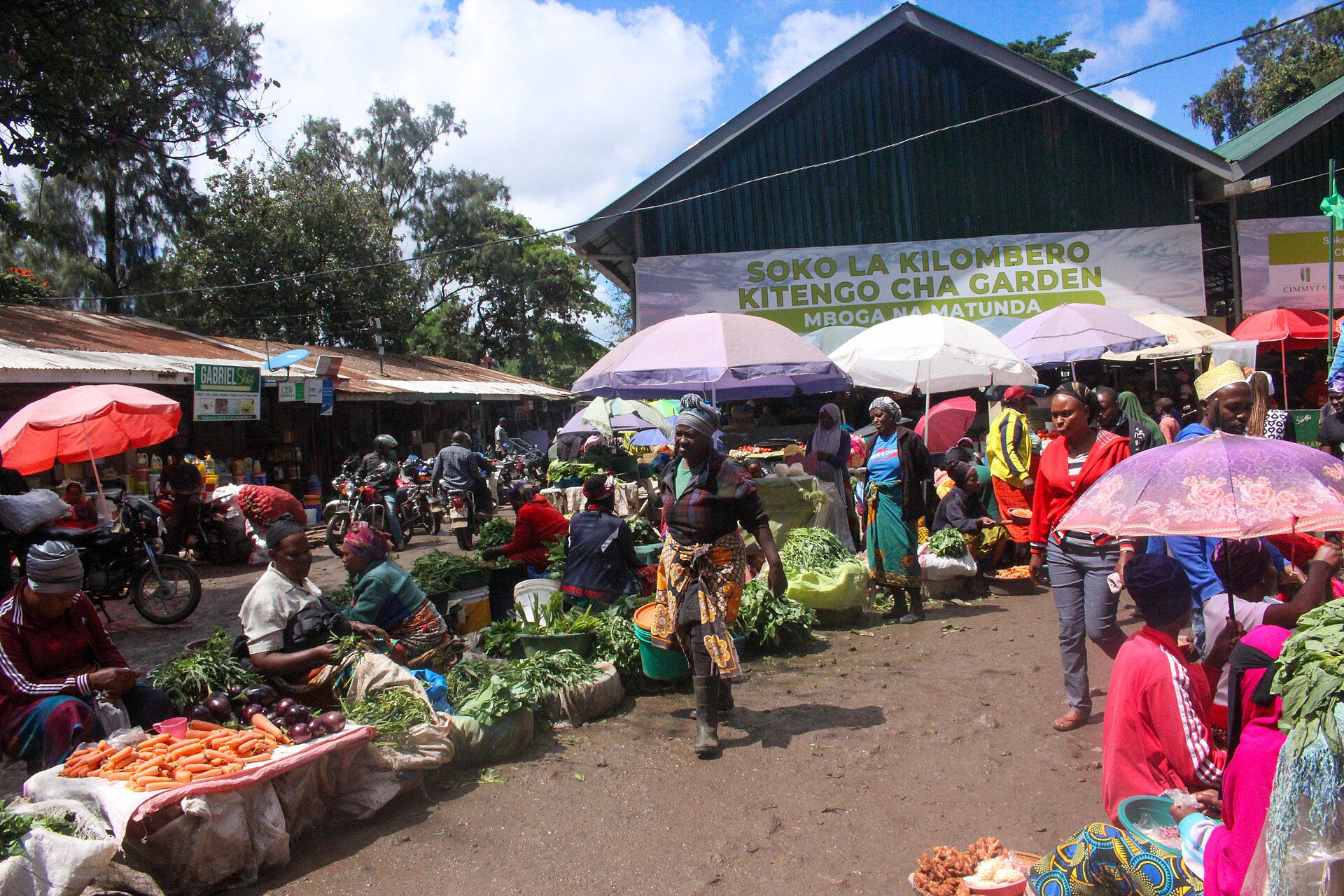
Tanzania’s horticulture industry is preparing for HortiLogistica Africa in Arusha on 8–10 November 2026, with a programme that connects produce marketing to the storage, transport and processing needed to reach buyers. The forthcoming event’s main exhibitions are scheduled at TGT Grounds, according to the organiser’s current programme.
The timetable places a visit to Swissport’s cold-storage and temperature-controlled air-cargo facility at Kilimanjaro International Airport on 7 November, ahead of the exhibitions. Its official launch is listed for 9 November, so the opening day of the exhibition and the launch ceremony should not be confused.
Planned field visits on 11 November include Kibo Berries in Moshi, Africado in Siha and the World Vegetable Center in Arumeru. These are prospective programme activities, rather than evidence that new processing capacity or export contracts have been delivered.
The Ministry of Agriculture’s earlier announcement also identified 8–10 November as the forum dates and described participation across the horticulture value chain. The organiser says its programme is still being updated, making the latest schedule the appropriate reference for individual visits.
The practical question for growers is how a buyer’s requirements translate into a dependable delivery process. Harvest timing, grading, packaging, cooling and transport must work together; a gap at one stage can undermine the value added elsewhere.
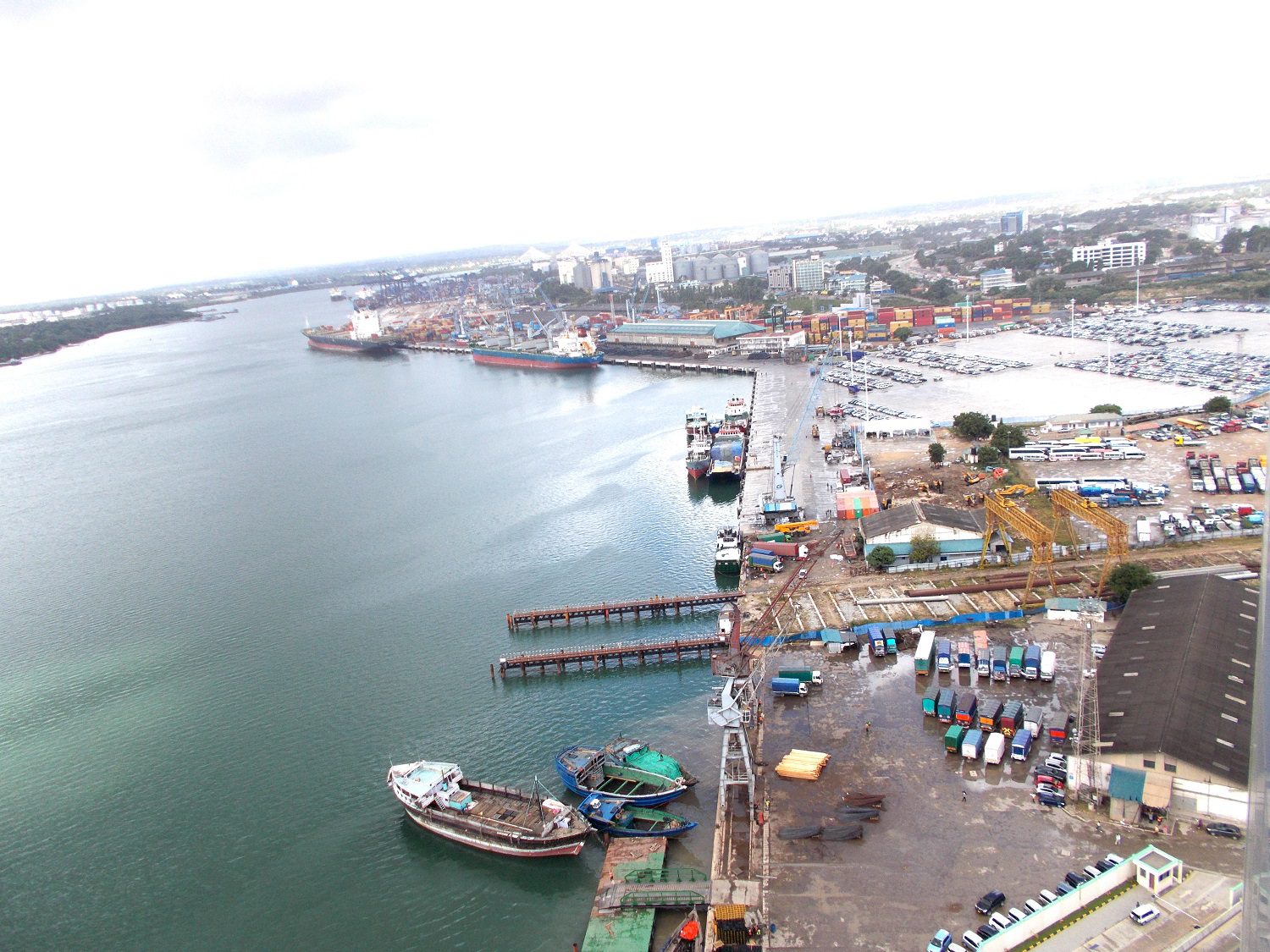
An airport cold-storage visit can therefore be useful beyond an exhibition stand. Exporters can examine where responsibility passes between packhouse, transporter and cargo handler, then ask which party records temperatures, manages delays and pays when a shipment fails to meet agreed conditions.
Processing brings a different set of questions about product specifications, energy supply and reliable volumes. A meeting with a processor becomes commercially useful when growers understand delivery frequency and quality requirements, while the processor understands seasonal supply constraints.
The agenda complements Tanzania’s wider effort to strengthen food distribution, including investment in regional food logistics. The milestones to watch after the fair are documented supply agreements, functioning logistics arrangements and implementation dates, rather than attendance forecasts alone.
Have a verified news development or story? Send news submissions and supporting materials to news@inafrika.co.tz

 Swahili
 English
 French
 Portuguese
 Chinese