Friday 20th February 2026
By inAfrika Newsroom
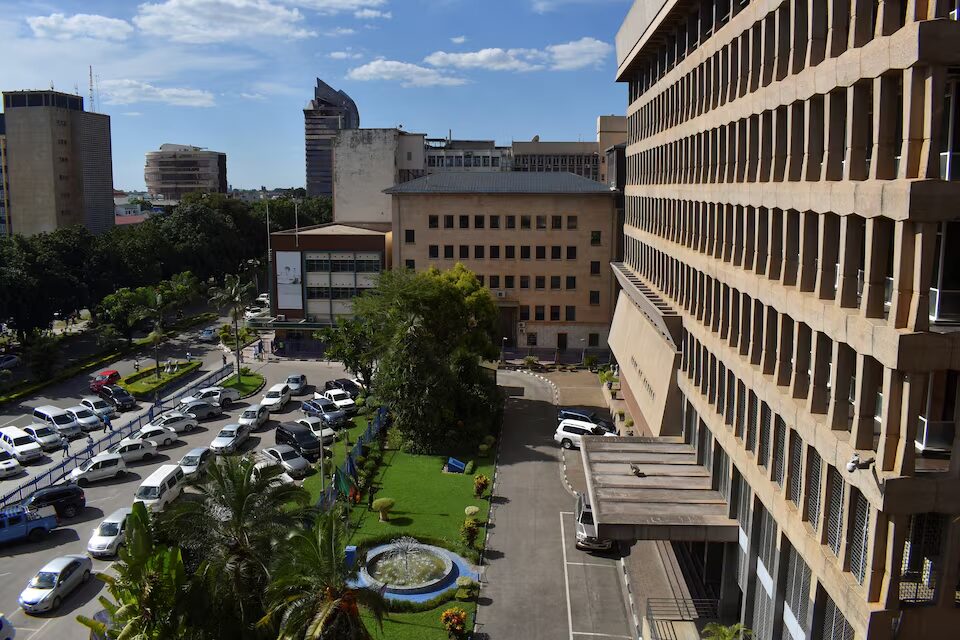
Zambia central bank rate cut accelerated after inflation eased faster than policymakers projected, with the Bank of Zambia moving more aggressively than markets expected. Reuters reported annual inflation slowed to 9.4% in January from 11.2% in December, and the central bank now expects inflation to fall within its 6%–8% target band by the second quarter of 2026.
The decision signals a shift in Zambia’s macro trajectory after years of high inflation and a prolonged debt crisis that led to difficult restructuring negotiations. Reuters reported the central bank governor cited a strengthening kwacha and a favourable agricultural backdrop as key factors behind the improved inflation outlook.
The rate move lands as investors and lenders watch Zambia’s engagement with the International Monetary Fund. Reuters reported Zambia’s secretary to the Treasury said the government formally requested a new IMF programme and hoped to reach a staff-level agreement in May.
Zambia central bank rate cut: key details
Reuters reported the Bank of Zambia forecast inflation would average 6.9% in 2026, down from a 7.6% projection at the previous policy meeting in November, and would ease further in 2027, averaging 6.3% over the first three quarters of that year. The bank linked the change partly to exchange-rate strength and improved foreign-exchange supply conditions.
According to Reuters, the kwacha gained about 4% against the dollar in the fourth quarter of 2025 and rose a further 14% so far in 2026, supported by stronger foreign-exchange supply, especially from the mining sector. Reuters reported total foreign-exchange supply by mining reached about $759 million in the fourth quarter, up from $637 million in the third quarter.
Zambia’s inflation has been above the central bank’s target range since 2019, Reuters noted, underscoring the policy importance of bringing price growth back inside the band. For households and firms, faster disinflation can ease pressure on food budgets, reduce working-capital strain, and improve planning horizons for import-dependent sectors.
For the region, Zambia’s inflation path and currency stability matter because the country is a copper producer integrated into Southern Africa’s trade corridors. Currency moves also affect the cost of imported fuel, machinery, and fertiliser, which influence domestic prices and production.
The policy decision will also be read alongside fiscal signals and external financing. Investors typically assess whether rate cuts remain consistent with debt sustainability, reserve adequacy, and the credibility of inflation forecasts.

 Swahili
  English
  French
  Portuguese
  Chinese