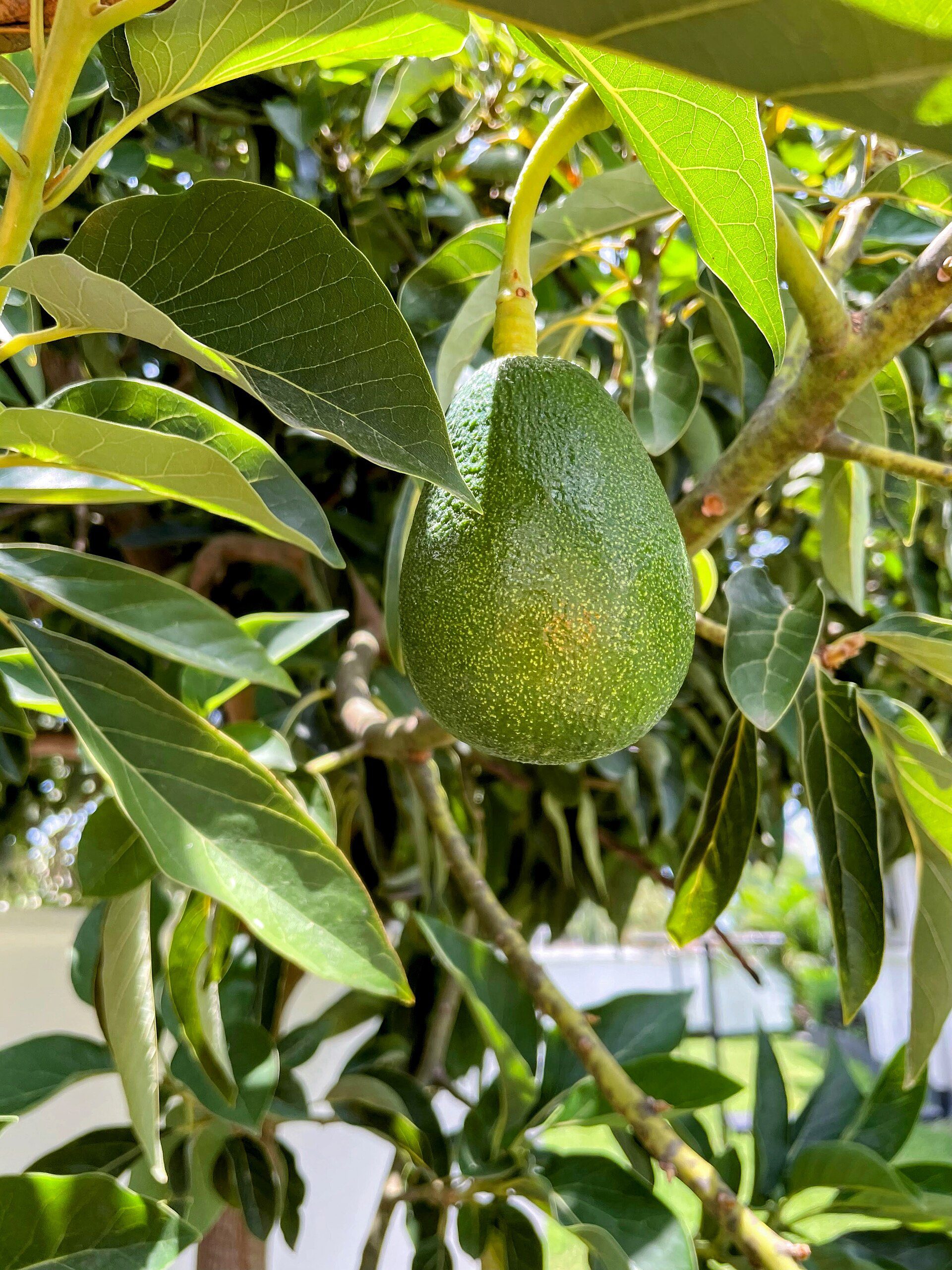
Avocado on a tree in Tanzania, 27 February 2021. Illustrative file photograph. Photo: AmyAbroad, CC BY-SA 4.0.
By inAfrika Newsroom
Tanzania’s avocado exports expanded much faster than their earnings between 2020/21 and 2025/26, according to figures released by the Cereals and Other Produce Regulatory Authority (COPRA). That difference makes value earned per tonne a useful question as the industry prepares its next season.
This analysis uses COPRA’s October figures, rather than a new November harvest announcement. The authority reports exports rising from 15,432.77 tonnes to 52,000 tonnes, while receipts increased from USD 44.2 million to USD 97.2 million.
Dividing the reported receipts by exported tonnage produces an aggregate ratio of about USD 2,864 per tonne in 2020/21 and USD 1,869 in 2025/26. The later ratio is roughly 35% lower, even though total export earnings more than doubled.
This calculation is not a farmgate price, an exporter’s profit margin or a quotation for a particular shipment. The totals do not separate varieties, grades, destinations, contract terms or shipping periods, so they cannot establish why the ratio changed.
The figures nevertheless show why tonnage and earnings need to be assessed together. A sector can move substantially more fruit while earning less per tonne in aggregate, and its higher total receipts do not reveal how gains are distributed among growers, traders, packhouses and transport providers.
The underlying milestone was discussed at the national avocado stakeholders’ meeting in Dodoma on 7 October, as reported the following day. The 52,000-tonne total exceeded the 40,000-tonne export target set for 2030; surpassing a volume target does not settle the separate question of value capture.
Earlier technical work offers context for that next challenge. FAO’s 1 September account of an August task-force meeting in Njombe identified fruit-size consistency, harvest maturity, nursery quality and packhouse handling as areas for support.
Those proposed interventions should be judged against implementation and measured outcomes. Better grading or handling may help businesses meet buyer specifications, but the national totals alone cannot quantify returns from any particular investment.
The next useful data would connect export values with grades, destinations and costs over comparable periods. That would give the coming Arusha produce and logistics discussions a clearer commercial foundation than volume growth alone.
Have a verified news development or story? Send news submissions and supporting materials to news@inafrika.co.tz
Ghana plans a five-year USD 10bn investment framework, with half proposed for agriculture and processing. Budget details and financing arrangements remain pending.
TMA’s seasonal outlook forecasts a wetter first half of the November–April season. Farm access, storage and local weather updates matter for supply planning.
HortiLogistica Africa’s 8–10 November Arusha programme connects produce buyers with cold-chain, cargo and processing questions ahead of planned field visits.

 English
 Swahili
 French
 Portuguese
 Chinese