English
 Kiswahili
 Français
 Português
 简体中文
McKinsey sees AI infrastructure investment rising sharply in 2026
Investment in artificial-intelligence infrastructure and model architecture could approach $769 billion in 2026 if the pace of funding seen earlier in the
Dar es Salaam. Tanzania has outlined plans to accelerate mineral exploration and expand detailed geological surveys to cover at least 50 percent of the country by 2030, as the government seeks to attract investment and strengthen domestic mineral processing.
The initiative comes as President Samia Suluhu Hassan’s administration works to make mining a stronger driver of industrialisation, employment and export earnings under Tanzania’s Development Vision 2050.
Opening the seventh Tanzania Mining and Investment Conference (TMIC 2026) on Thursday, November 19, Vice-President Deogratius Ndejembi, representing President Samia, called for effective management of the Mineral Research Fund and warned mining licence holders against failing to implement their approved work programmes.
He said reliable geological information would help attract investors and identify new mineral-rich areas. The government is also encouraging greater domestic mineral processing as it seeks to retain more economic value from the country’s natural resources.
The seventh Tanzania Mining and Investment Conference (TMIC 2026), held at the Julius Nyerere International Convention Centre in Dar es Salaam from November 19 to 21, has drawn government representatives, investors, mining companies and technology providers. InAfrika had previously reported on the conference’s focus on mineral processing and value addition.
Minister for Minerals Anthony Mavunde said ahead of the conference that mineral value addition and the development of local processing industries would feature prominently in the discussions. He highlighted a requirement to allocate 10 percent of mining revenue to mineral research.
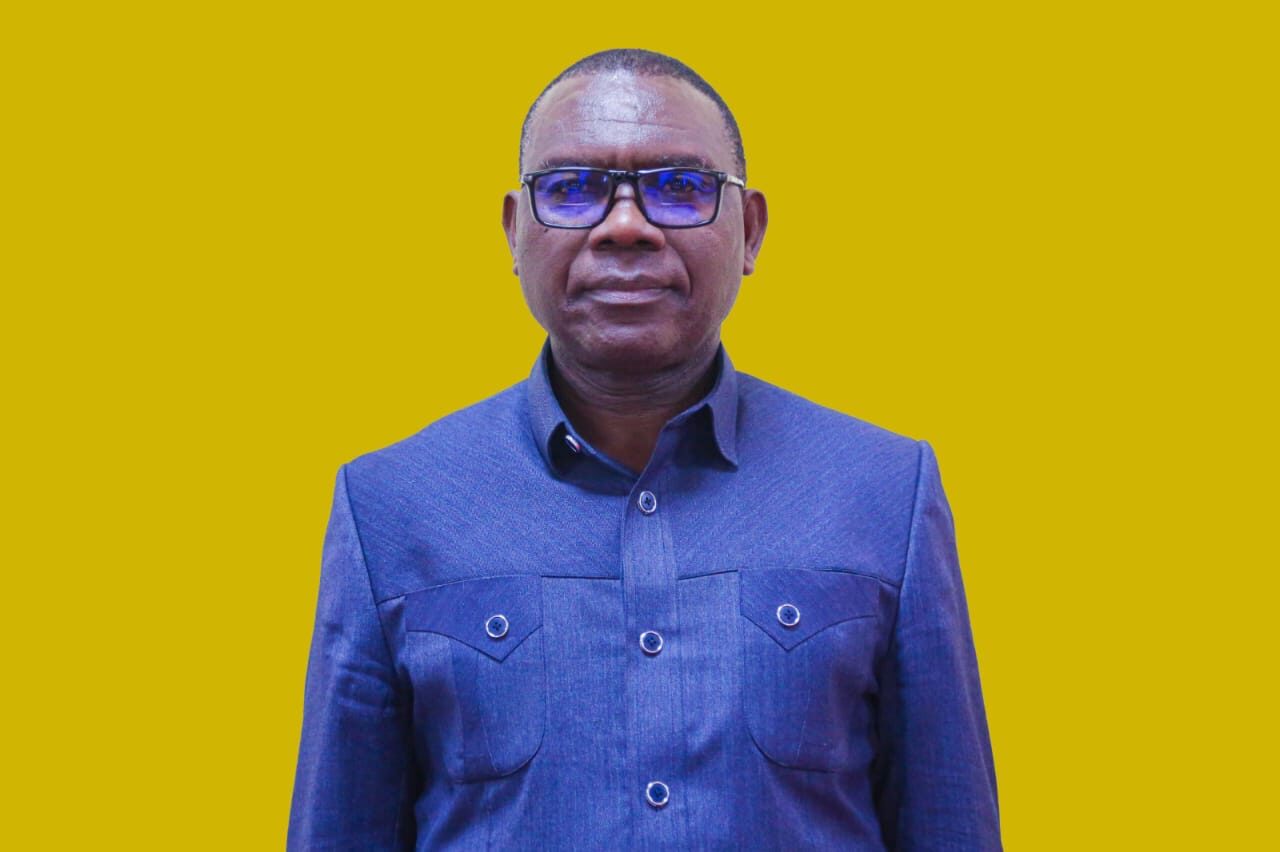
The Geological Survey of Tanzania (GST), led by Chief Executive Officer Eng. Ally B. Samaje, has set out plans to expand mineral mapping and improve the geological information available to investors and miners.
According to GST’s conference presentation, high-resolution airborne geophysical surveys currently cover approximately 16 percent of Tanzania, while detailed geochemical surveys cover 24 percent. Both are targeted to reach 50 percent by 2030.
Although broader geological information already exists, more detailed investigations are needed to identify promising mineral-bearing formations and guide decisions about exploration spending.
GST’s presentation identifies six proposed survey blocks, including northern and northwestern areas with nickel, copper, cobalt and gold potential, and southern and eastern areas associated with graphite, rare earth elements and other minerals.
Eng. Samaje heads the institution responsible for the programme, while Alex Rutagwelela, GST’s Director of Geological Services, is part of its senior technical leadership. The presentation lists improving geoscientific information, building expertise and supporting exploration projects among the institution’s priorities.
The geological assessment also highlights lithium, uranium, iron ore, helium and geothermal resources, reflecting the diversity of opportunities beyond traditional gold mining.
GST figures indicate that mining contributed 10.3 percent to Tanzania’s gross domestic product in 2025, while mineral exports accounted for more than half of national export earnings.
The presentation identifies 12 potential mineral-related value chains, ranging from critical minerals and precious metals to construction materials, helium and geothermal energy.
Expanding domestic processing, refining and manufacturing could increase the benefits retained in Tanzania while creating demand for skilled workers, local suppliers, infrastructure and technical services. Elsewhere on the continent, Angola announced plans to open its first gold refinery as part of its own mineral-processing ambitions.
The planned surveys will also matter to smaller operators, who often lack the capital to finance extensive prospecting on their own. Better geological information can help narrow the areas worth investigating, although it cannot guarantee a commercially viable deposit. GST’s wider strategy combines new data collection with support for projects at different stages of development, capacity building and partnerships with research institutions. These efforts could help establish a stronger pipeline of exploration and processing opportunities.
However, geological potential does not automatically translate into producing mines or factories. Investors must still assess deposit quality, financing, electricity supply, transport costs, environmental obligations and the commercial viability of each project.
As TMIC 2026 continues, the key test for the government and industry will be whether improved geological information can help turn promising resources into bankable investments and lasting economic gains.