Sunday 1st November 2026
By inAfrika Newsroom
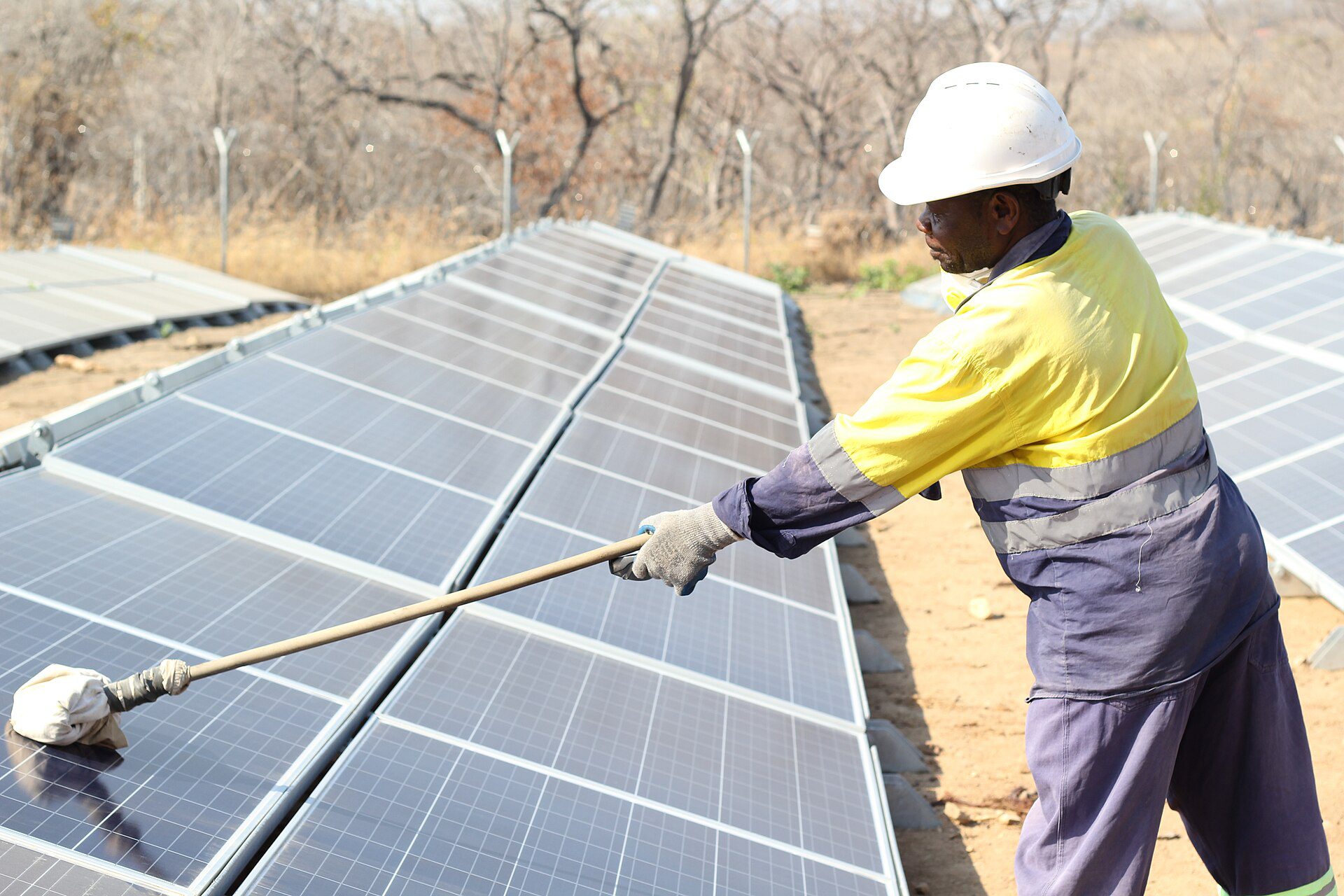
Tanzania’s Renewable Energy Week will put industrial energy use and local manufacturing on the agenda in Dar es Salaam on 10–13 November 2026. The Tanzania Renewable Energy Association’s published programme places technical visits and training ahead of the main exhibition and conference.
The event is scheduled at the East Africa Commercial and Logistics Centre in Ubungo. A separate African Power Platform listing confirms the dates and location, while the organiser describes the week as endorsed by the Ministry of Energy.
Technical learning visits on 10 November are intended to examine renewable energy, manufacturing and technology localisation. Training and further site visits follow on 11 November, with both activities requiring separate registration under the announced schedule.
The 12 November discussions cover industrialisation, productive use and clean cooking. The following day adds energy efficiency, demand-side solutions, electric mobility and wider participation in the sector, alongside TAREA’s 25th-anniversary programme.
Productive use means applying electricity to activities that generate goods or income, such as milling, refrigeration or workshop machinery. Its commercial value depends on whether usable power arrives when a business needs it, rather than on the size of an installation alone.
A processor comparing energy options therefore needs to understand its operating hours and the starting demands of motors and compressors. Equipment that works during daylight may require a different supply arrangement from a cold room that must hold its temperature overnight.
Local manufacturing raises equally practical questions about quality assurance, component availability and after-sales service. Assembly capacity can shorten some supply chains, but buyers still need clear warranties and technicians able to diagnose faults once equipment is operating.
The maintenance issue is especially relevant to small firms whose production can stop when a component fails. A purchase decision should account for servicing arrangements and expected downtime as well as the initial equipment cost.
The programme sits alongside Tanzania’s wider debate about electricity demand and industrialisation. The November meetings will provide a place to examine proposed solutions; actual orders, completed installations and operating results will need to be assessed after the event.
Have a verified news development or story? Send news submissions and supporting materials to news@inafrika.co.tz

 English
 Swahili
 French
 Portuguese
 Chinese