English
 Swahili
 French
 Portuguese
 Chinese

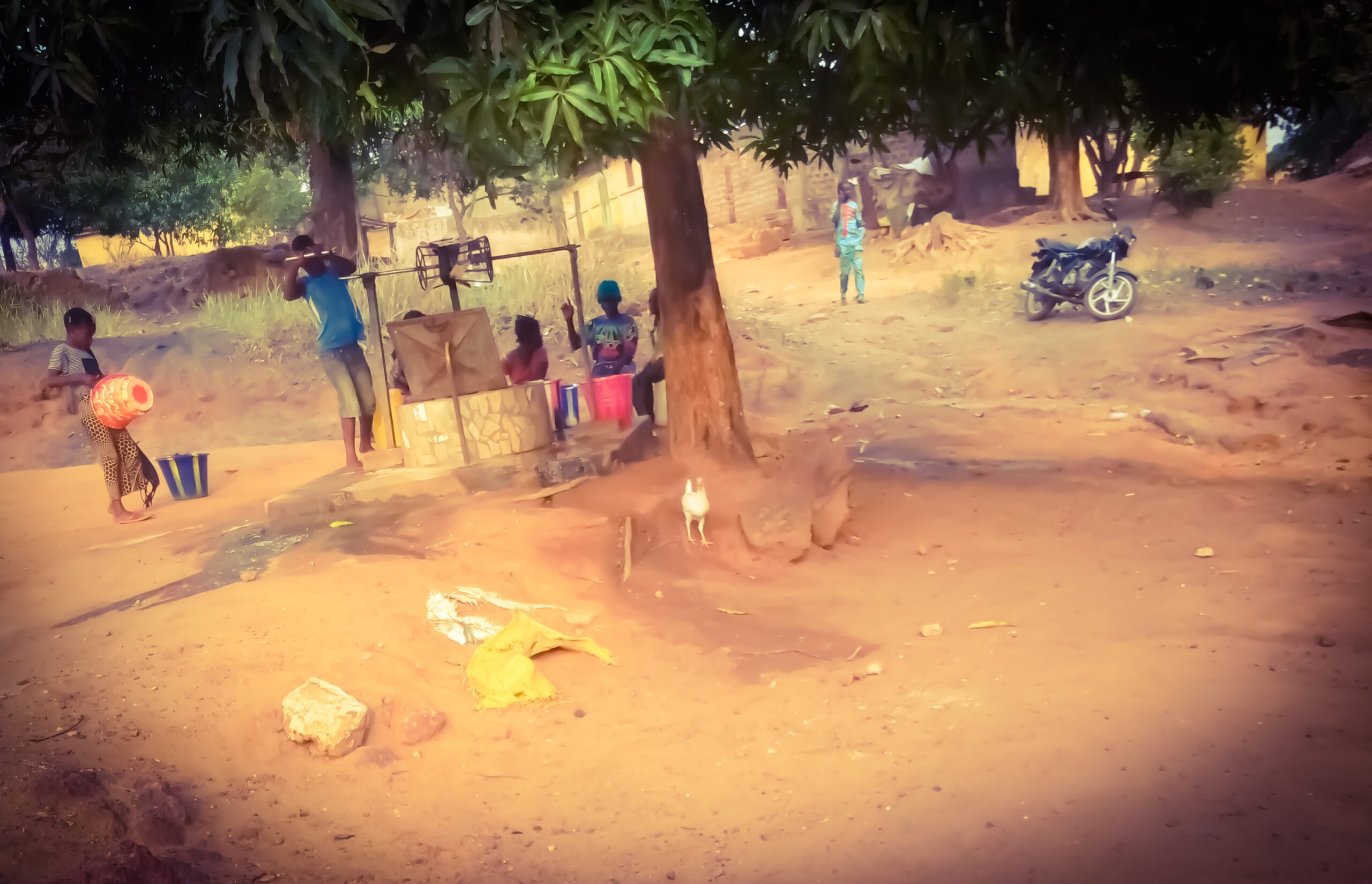
Guinea’s Infrastructure Financing Package Connects Water, Schools and Electricity
A closer look at the separate financing commitments behind Guinea’s water, education and coastal electricity infrastructure projects.
Thursday 29th October 2026
By inAfrika Newsroom
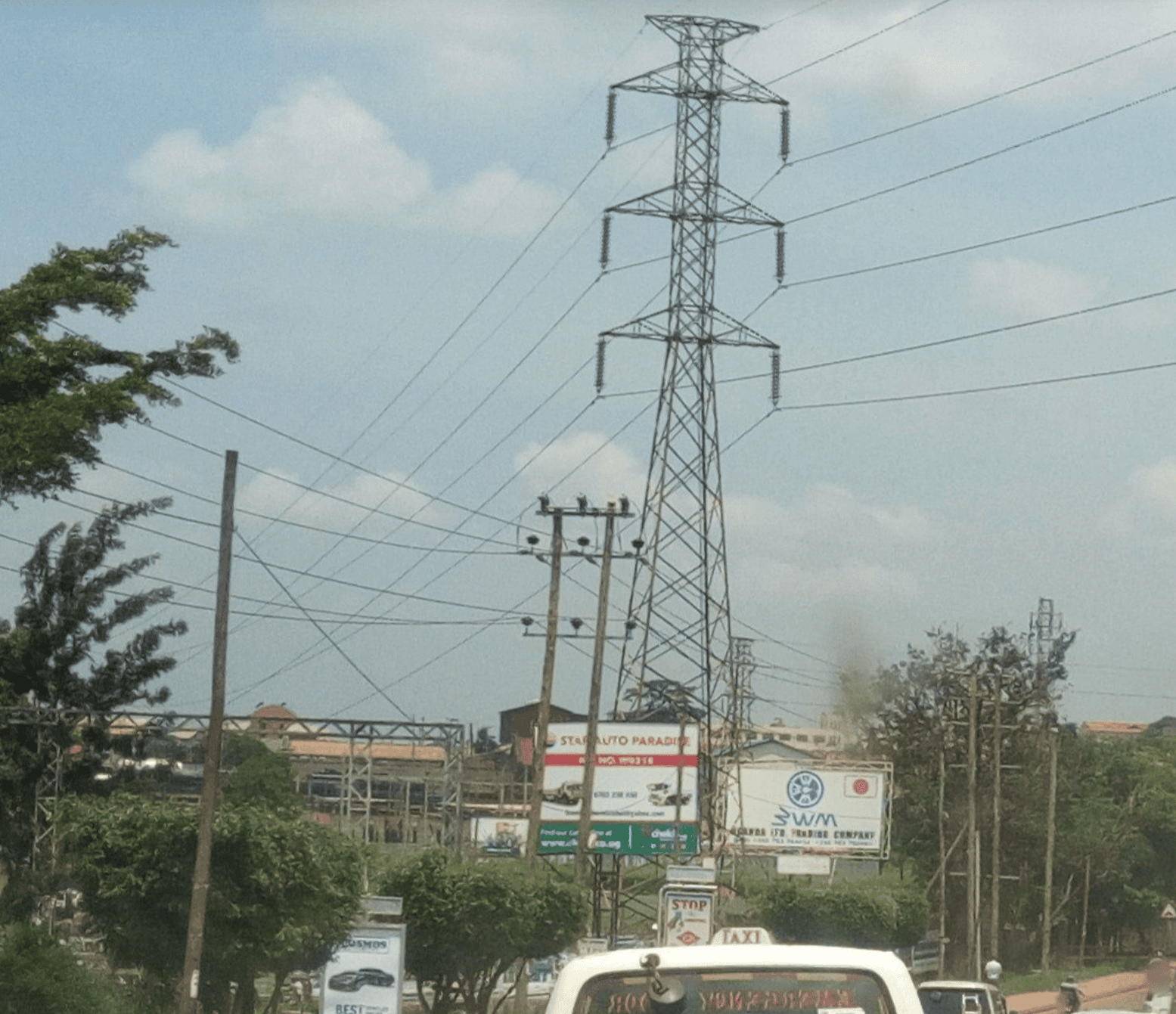
Uganda’s National Energy Compact sets targets of 85 percent electricity access and 50 percent clean cooking access by 2030. The programme was launched in Kampala on 22 October, with details published by the African Development Bank on 28 October.
The bank’s account puts the investment ambition at USD 17.7 billion, including about USD 9.4 billion in private capital. These are mobilisation goals, rather than confirmation that the full amount has been committed.
The roadmap separates projects expected to operate by 2030 from those expected to reach financial close by then. A delivery and monitoring unit is planned within the energy ministry, with its first semi-annual progress report due in December 2026.
That separation matters to businesses deciding when to buy equipment or expand production. Financial close means a project has arranged its financing; it does not mean that a customer can already draw dependable power from it.
A processor considering an electric mill, for example, needs information about connection timing, supply quality and the tariff it will pay. Installed generating capacity alone cannot answer those operating questions, particularly when distribution or customer connections remain unfinished.
Clean cooking also needs its own measures of delivery. Equipment availability, fuel supply and what households can afford to use repeatedly affect whether access translates into sustained adoption.
The compact sits within Mission 300, the African Development Bank and World Bank initiative to expand electricity access across Africa. Its national delivery arrangements provide a framework through which Uganda can report whether investment plans are translating into services.
Regional electricity trade creates an additional reason to track implementation closely. InAfrika’s Uganda–Tanzania interconnector explainer examines a separate cross-border financing plan; national access targets and interconnector transfer capacity measure different results.