Friday 24th April 2026
By inAfrika Newsroom
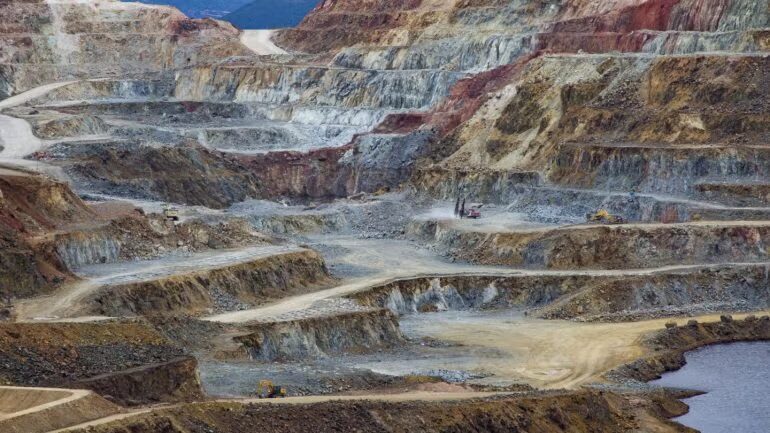
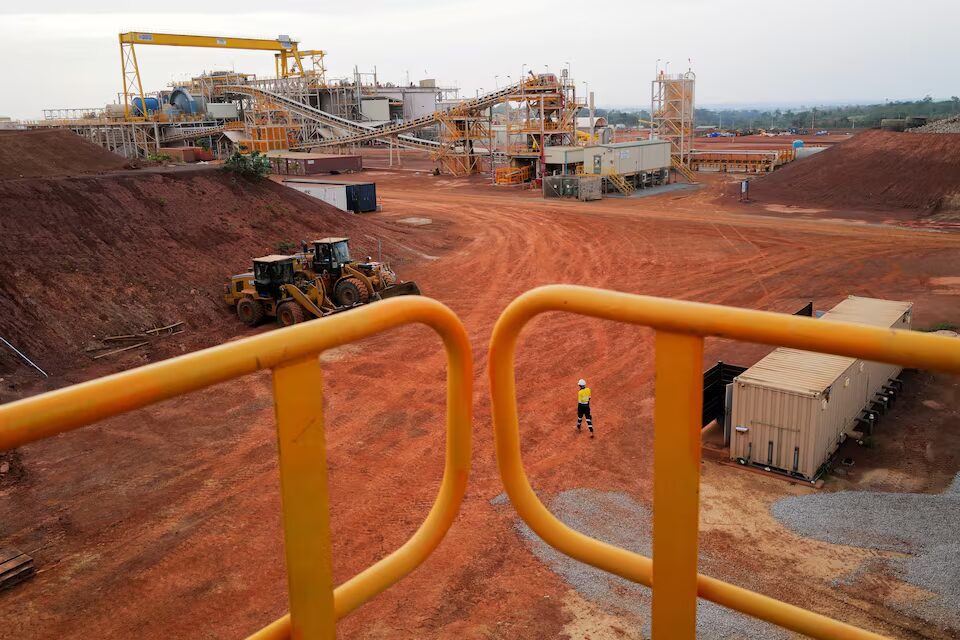
Zambia Luanshya copper mine 2026 has returned to the mining agenda after authorities said the mine is expected to resume production in August. The restart matters now because copper demand remains central to power grids, electric vehicles and industrial growth across Africa.
Luanshya has been idle for more than two decades. China Nonferrous Mining Corporation owns 80% of the mine, while Zambia’s ZCCM-IH owns 20%.
Before production could resume, the mine required major dewatering after flooding damaged infrastructure. As of 27 March 2026, about 87.9 million cubic metres of water had been pumped out, clearing the way for construction and infrastructure development.
The upper mine is scheduled to restart in August 2026. Production at the lower mine is expected to begin in 2029 under redevelopment of the 28 Shaft. That redevelopment represents about $710 million in investment, with more than $75 million already invested.
Here is what Zambia Luanshya copper mine 2026 means for copper supply and jobs. Once fully operational, the mine is expected to produce about 100,000 metric tons of copper annually by 2030.
Zambia Luanshya copper mine 2026: What changes for businesses and households
For businesses, the restart could lift demand for mining services, transport, power, engineering, explosives management, safety equipment and housing. Contractors in Copperbelt supply chains will watch procurement closely.
For households, the direct effect may come through jobs and local commerce. Mining towns often see income effects through transport, food supply, rentals, retail and services.
For Zambia’s government, Luanshya supports a larger national target. The country wants to more than triple copper output to 3 million tons by 2031, making every large restart important for revenue and foreign exchange.
The regional link reaches DRC, Tanzania and South Africa. Copper moves through transport corridors, ports, smelters and regional finance systems. A stronger Copperbelt can therefore influence logistics and industrial activity beyond Zambia.

 English
  Swahili
  French
  Portuguese
  Chinese