Monday 12th January 2026
By inAfrika Newsroom
Zanzibar’s Zanzibar education infrastructure bet is now one of the most concrete state-led moves in the islands’ human-capital agenda.
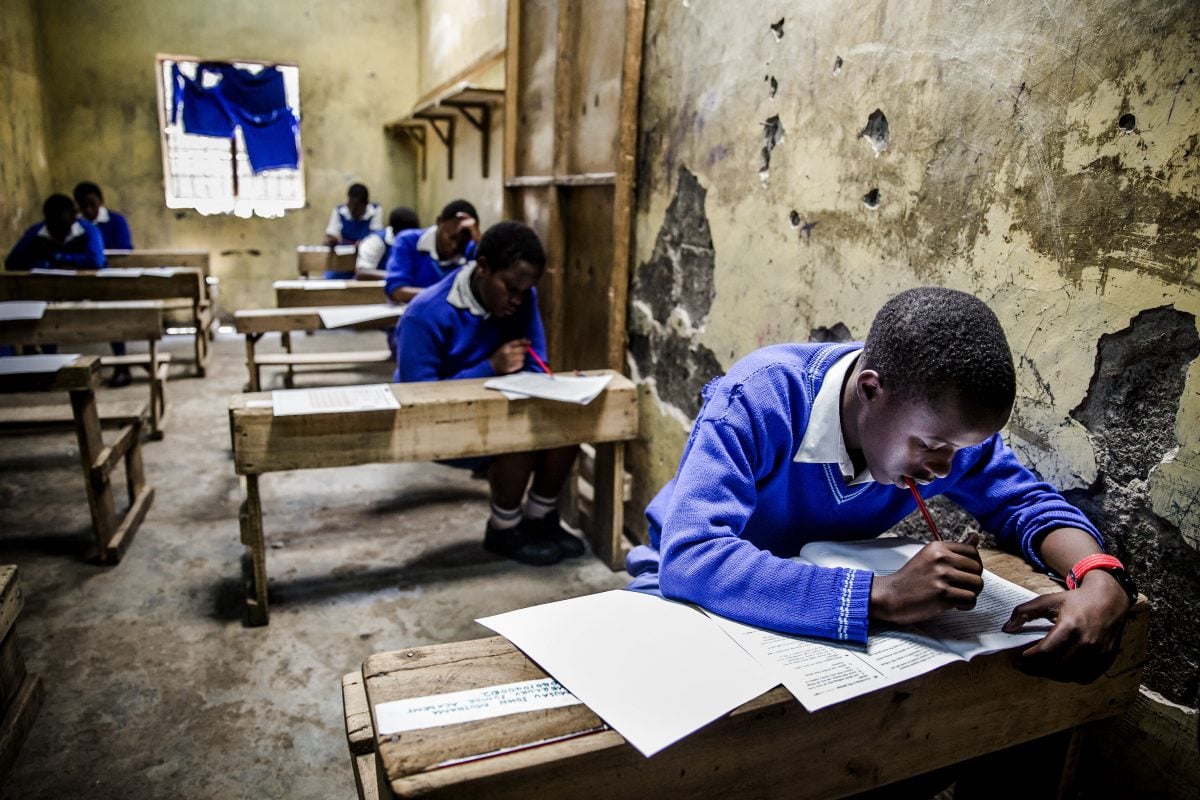
In May 2025, the Revolutionary Government of Zanzibar signed a TZS 240 billion loan deal with CRDB Bank to finance 23 double-storey school buildings across Unguja and Pemba. Reporting said the financing was equivalent to about €79–80 million, and the plan includes modern laboratories, libraries, computers and furniture.
This matters because education is where growth becomes capability. Therefore, school infrastructure is not only about buildings. It is also about creating a workforce that can serve tourism, logistics, digital services, and light industry.
What changed in 2025
The 2025 shift was scale and design. Multi-storey schools signal that Zanzibar is trying to solve land constraints and rapid demand in urbanising areas. Moreover, the loan structure showed how Zanzibar is blending local finance with international partnerships. The Guardian reported that the package included a large portion financed via CRDB in partnership with Deutsche Bank.
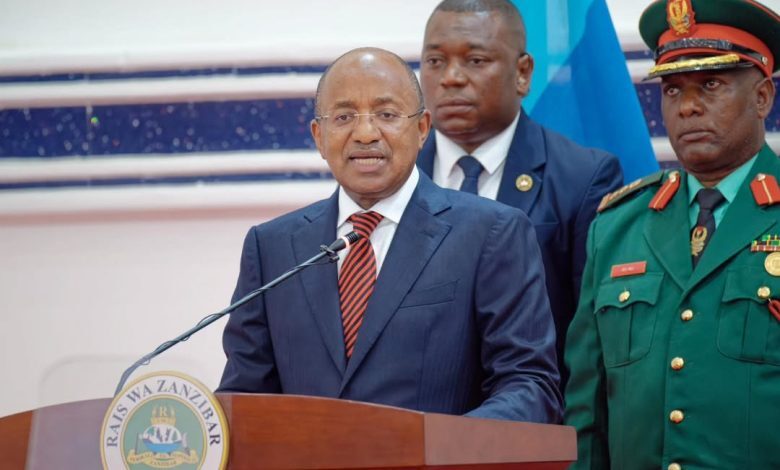
President Mwinyi described the agreement as a milestone for easing classroom congestion and improving safe, age-appropriate learning environments, according to reporting. Consequently, the political narrative ties education directly to service delivery, not only long-term aspiration.
Where the Zanzibar education infrastructure bet leads in 2026
In 2026, the story becomes delivery and learning outcomes. In other words, the schools must arrive on time, and they must function well.
President Mwinyi has already said 2026 will include continued expansion of schools and dormitories, alongside hospitals and strategic infrastructure. Therefore, education delivery is now part of a wider state performance package.
If the schools open as planned, the next question will be staffing and quality. More classrooms require more trained teachers. In addition, labs and computer rooms require maintenance, power stability, and content. Consequently, education investment has to pull other systems forward—electricity, procurement discipline and school management.
Risks and opportunities
The risk is obvious. If construction costs rise, projects can slow. Moreover, if schools open without enough teachers, families will not feel the change.
Yet, the opportunity is bigger than exam scores. Modern schools can produce skills that match Zanzibar’s economy: hospitality management, marine value addition, digital operations, and small manufacturing. Therefore, the Zanzibar education infrastructure bet is a direct economic strategy. It aims to turn population growth into productivity.

 English
  Swahili
  French
  Portuguese
  Chinese