Zanzibar’s Zanzibar port upgrade drive is becoming the quiet engine behind both trade and tourism, and the spending signals are no longer small.
In 2025, the government outlined a major transformation agenda for port infrastructure. Reporting pointed to a plan valued at about $400 million, covering upgrades and construction across multiple sites, including Fumba, Shumba, Mkoani, Mangapwani and Malindi, plus a new dry port at Maruhubi.
That scale matters because ports are not only cargo gates. They are also the first impression for visitors who arrive by sea. Therefore, port strategy now touches competitiveness, safety and service quality.
What changed in 2025
The 2025 change was the move toward multi-site expansion. Instead of one flagship facility, Zanzibar’s plan spreads capacity across ports. This approach can reduce congestion and improve resilience when one node faces delays.
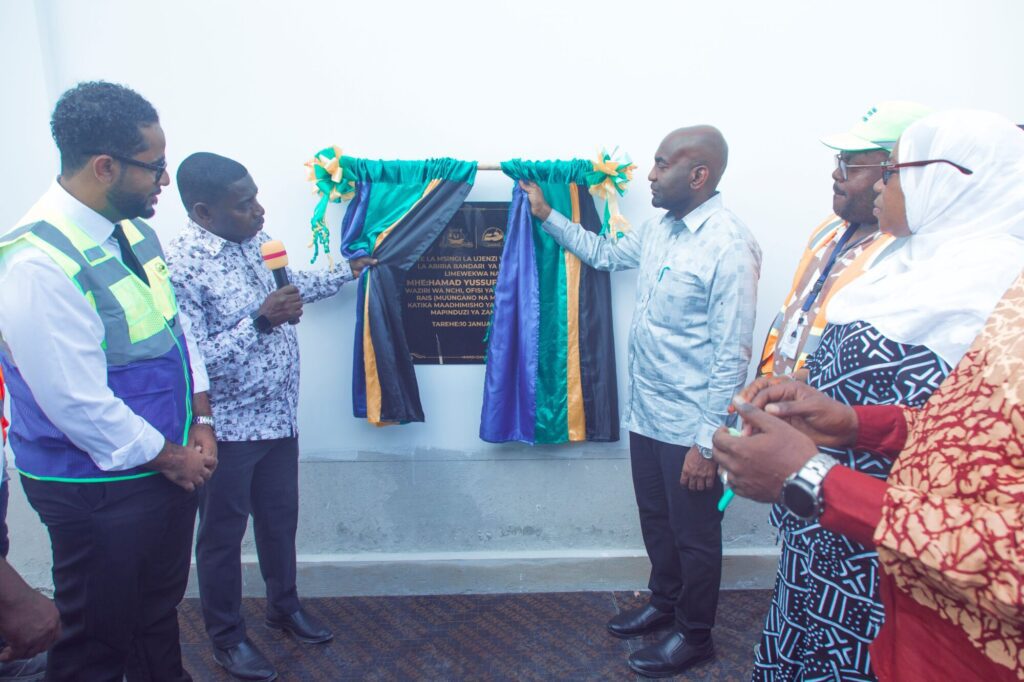
Maruhubi became central to that story. In August 2025, authorities said they had allocated $250 million for a modern passenger port at Maruhubi in Unguja. Meanwhile, Zanzibar Port Corporation described a passenger terminal development contract at Maruhubi, with planning assumptions of about 5,000 ferry passengers per day and up to 12,000 per day in high season.
At the same time, Malindi Port offered an early “proof of change.” Daily News reported that Zanzibar recorded significant revenue and efficiency gains at Malindi after a handover to Zanzibar Multipurpose Terminal under a five-year agreement, linked to African Global Logistics. Therefore, the state is using private participation as a lever to improve operations, not only build concrete.
Where the Zanzibar port upgrade drive goes in 2026
In 2026, ports will be judged by time and transparency. In other words, modern facilities must shorten processing, not just look modern.
Political messaging already leans that way. President Mwinyi’s New Year priorities for 2026 highlighted intensified construction of strategic infrastructure including ports. Therefore, delivery timelines will now carry political cost if they slip.
If Maruhubi succeeds as a passenger gateway, it can ease pressure on older facilities and improve the visitor journey. In addition, a dry port can create a better system for cargo staging and clearance. Consequently, Zanzibar can reduce “hidden costs” that show up in higher food prices and business overhead.
Risks and opportunities
Ports can also become flashpoints. If fees rise without service improvements, traders complain. Moreover, if technology and staff skills lag, new assets underperform.
Still, the opportunity is strategic. Better ports support tourism, reduce import costs, and strengthen Zanzibar’s position in Indian Ocean trade lanes. Therefore, the Zanzibar port upgrade drive is not a side project. It is the backbone of the next growth phase.
Monday 2nd February 2026 By inAfrika Newsroom Egypt Red Sea marina project plans were announced for a $1 billion development on the Gulf of Suez, as authorities and developers push…
Wednesday 28th January 2026 By inAfrika Newsroom East Africa airport expansion is accelerating across the region despite persistent financial strain at several state-linked airlines, highlighting a widening gap between infrastructure…
Wednesday 28th January 2026 By inAfrika Newsroom Turkey Nigeria trade target talks have moved into implementation after the two countries signed new agreements spanning defence cooperation, infrastructure, and investment, with…

 English
  Swahili
  French
  Portuguese
  Chinese