Friday 24th April 2026
By inAfrika Newsroom
Africa development aid cuts April 2026 are increasing pressure on governments already facing higher fuel, fertiliser and shipping costs. The IMF says the latest fall in official development assistance is more structural than past aid cycles and is hitting vulnerable countries hardest.
The IMF said the shock comes after the region’s hard-won stabilisation gains in 2025. Growth reached about 4.5%, inflation fell to 3.4%, fiscal deficits narrowed and public debt declined. Those gains are now under pressure from global price shocks and tighter financing.
AFC data also shows the aid trend clearly. Official development assistance to Africa fell from $83.8 billion in 2020 to $73.5 billion in 2023, with further declines expected for 2025–2026.
The IMF now expects Sub-Saharan Africa’s growth to slow to 4.3% in 2026, while median inflation is expected to rise to 5% by year-end. Those numbers matter because aid cuts reduce the fiscal room available to protect health, food assistance and social programmes.
Here is what Africa development aid cuts mean for public services and households. Governments may need to mobilise more domestic revenue while protecting priority spending.
Africa development aid cuts April 2026: What changes for businesses and households
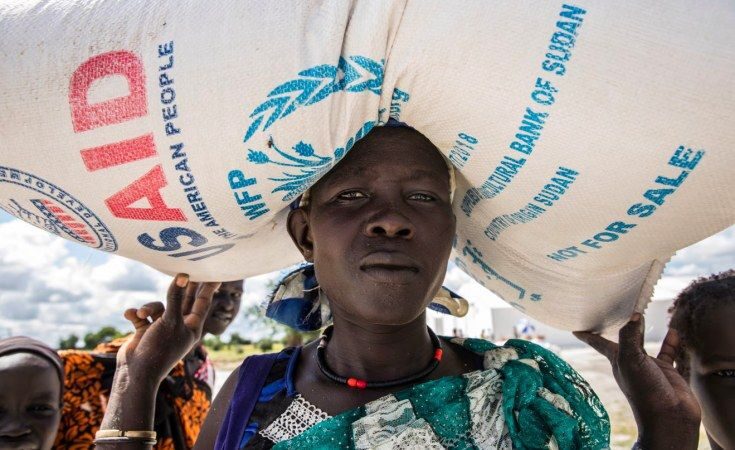
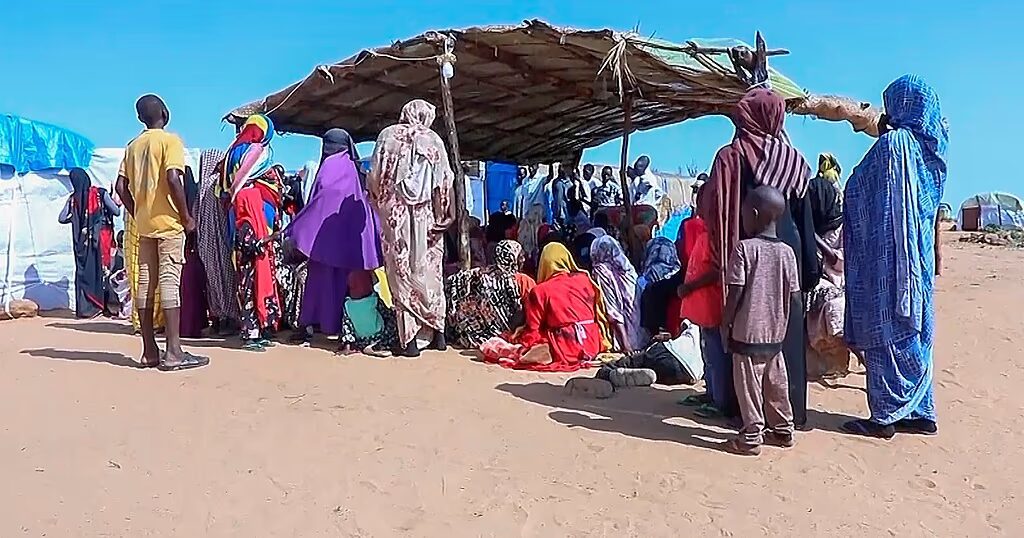
For households, the impact may appear through health services, food assistance, school support and local development projects. Low-income and fragile countries are most exposed because aid can fund core public services.
For businesses, reduced aid can slow payments, weaken public investment and increase pressure for domestic taxation. SMEs that depend on NGO contracts, donor-funded programmes or public-service procurement may feel the shift.
For governments, the policy challenge is sequencing. Cutting waste, improving tax administration, protecting vulnerable groups and maintaining investor confidence must happen together.
The regional relevance is wide. Tanzania, Kenya, Ethiopia, Mozambique, Malawi, Somalia and Sahel countries all operate in a tighter external financing environment. Domestic capital, credible budgeting and regional trade will therefore matter more.

 Chinese
  English
  Swahili
  French
  Portuguese