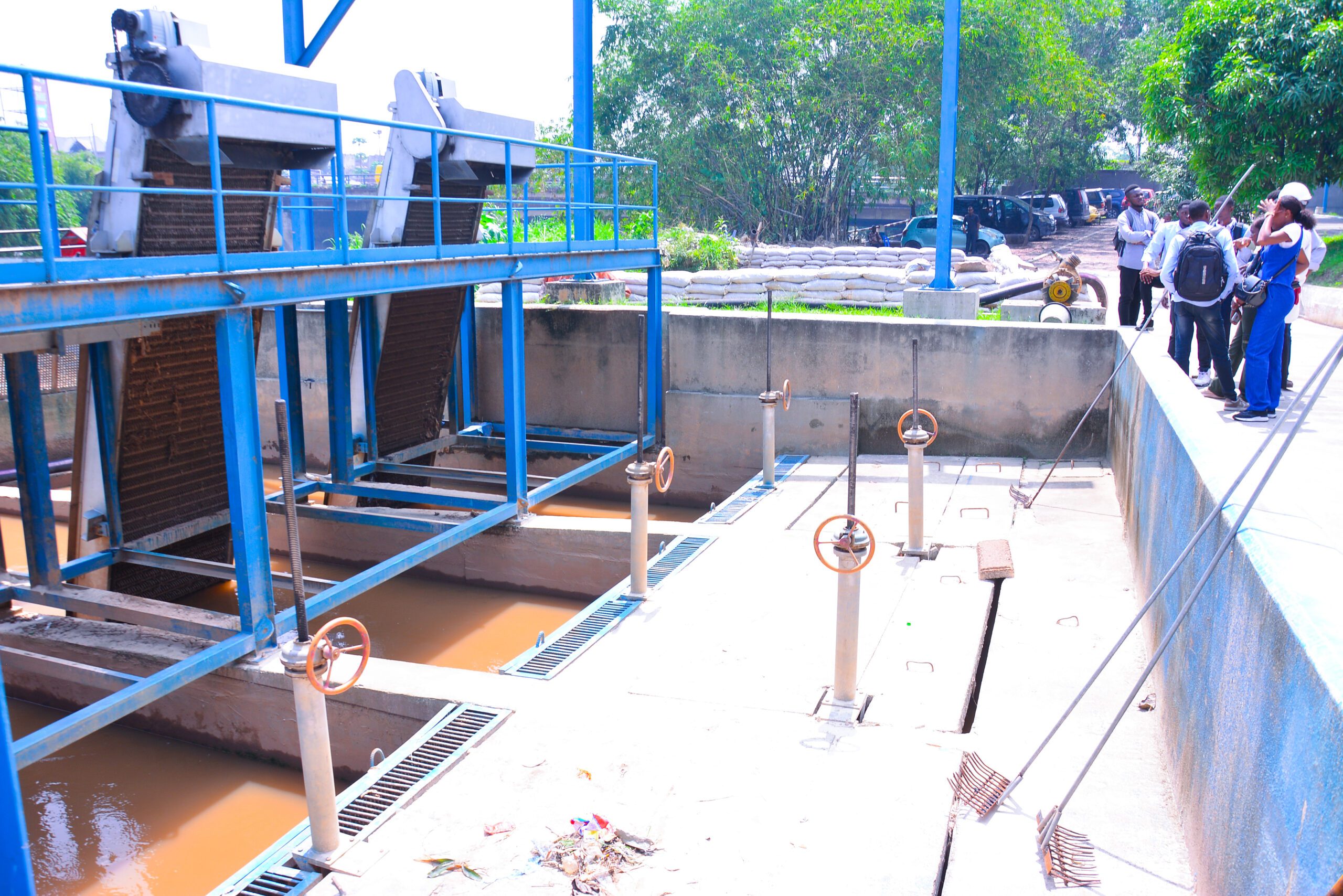
Water treatment infrastructure at Ndjili, Kinshasa, 9 December 2025. Illustrative file photograph; no affiliation with the Cairo launch or newly announced funding is implied. Photo: Lingabo / Wikimedia Commons, CC0. Resized.
By inAfrika Newsroom
The African Water Facility is seeking stronger African financial contributions and greater private participation to prepare water and sanitation investments. Its 2026–2030 strategy was presented at Cairo Water Week on 27 October, bringing the work needed before construction into focus.
The African Development Bank’s 29 October account describes a push to turn priority schemes into projects capable of attracting finance. The facility, established by the African Ministers’ Council on Water and managed by the bank, supports feasibility studies, technical designs and related preparation.
The Cairo presentation is a mobilisation milestone rather than the first appearance of the strategy. The facility’s governing council adopted the five-year framework in November 2025, while the October event renewed the call for resources and implementation support.
That distinction matters when assessing what has changed for a city or water utility. A strategy launch provides direction, but it does not by itself confirm that an individual treatment plant has secured construction finance or awarded a works contract.
Project preparation tests whether a proposed system can be built, operated and maintained on realistic terms. Engineers and financiers need credible information on water availability, demand, treatment requirements, operating costs and the institutions responsible for delivering services.
Private participation also requires a clear allocation of obligations and risks. The affordability of household bills and the reliability of public payments remain practical questions even when a technically sound project attracts investor interest.
Water reliability reaches beyond households into food processing, manufacturing and public health. InAfrika’s Guinea infrastructure financing coverage examines a separate package linking water with other basic services; the two initiatives should be assessed on their own financing and delivery terms.
The next useful evidence will be which projects complete preparation, secure financing and proceed to implementation. Tracking those stages separately will make it easier to distinguish a growing investment pipeline from services that communities can already use.
Have a verified news development or story? Send news submissions and supporting materials to news@inafrika.co.tz
Kora's June 2026 integration with IATA Financial Gateway could give airlines more African payment options, but availability depends on airline and market rollout.
The guarantee-backed facility targets import and export financing across Africa, Asia and Latin America, with a minimum USD 500m climate-related lending commitment.
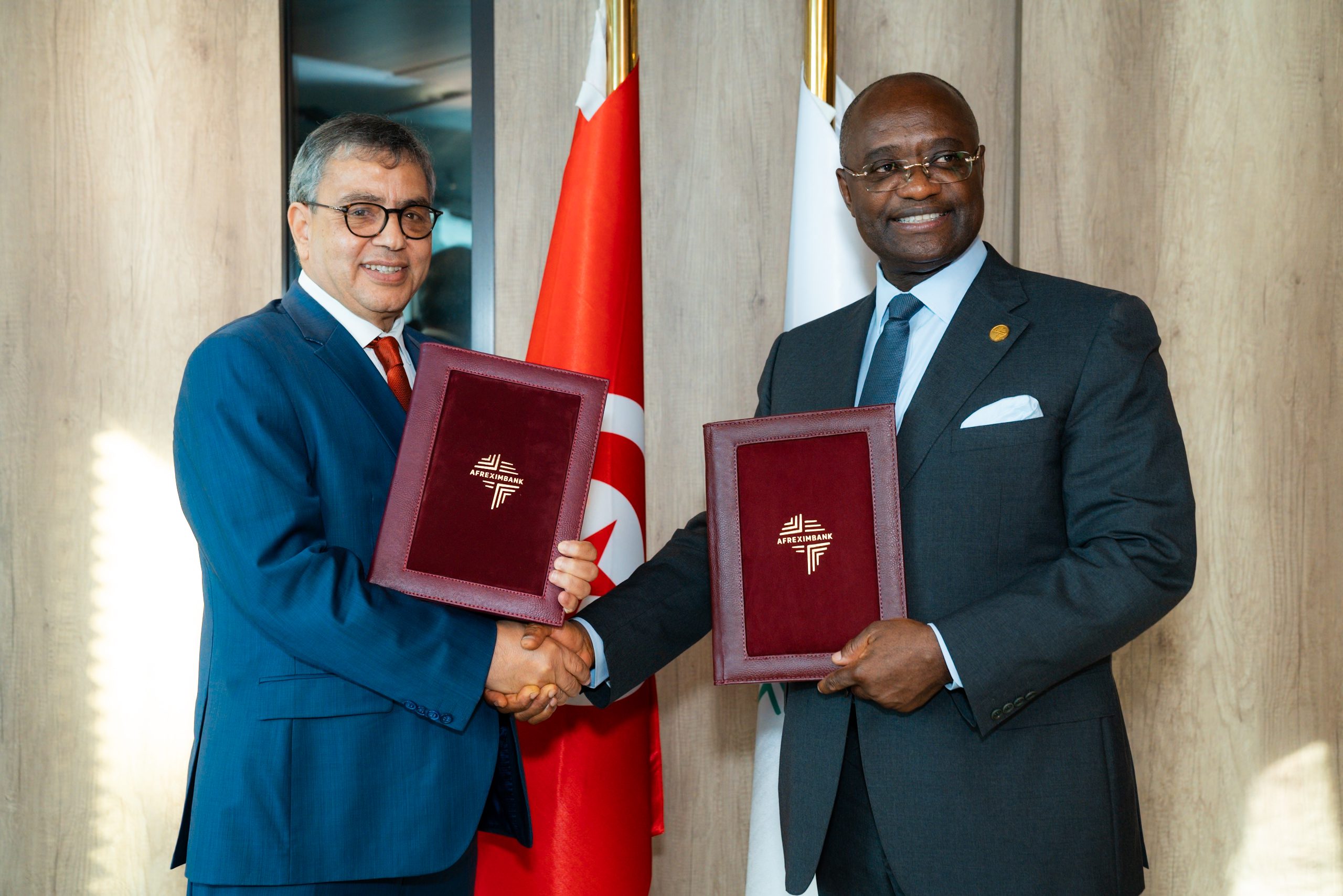
In a 22 June 2026 agreement, Afreximbank signed a USD 500 million facility with Tunisia's central bank to support essential imports and foreign-currency liquidity. Disbursement details remain to be confirmed.

 Chinese
 English
 Swahili
 French
 Portuguese