Sunday 18th January 2026
By inAfrika Newsroom
Ethiopia inflation trend showed modest easing in mid-January as food supply conditions improved following seasonal harvest inflows, offering limited relief to households after months of price pressure.
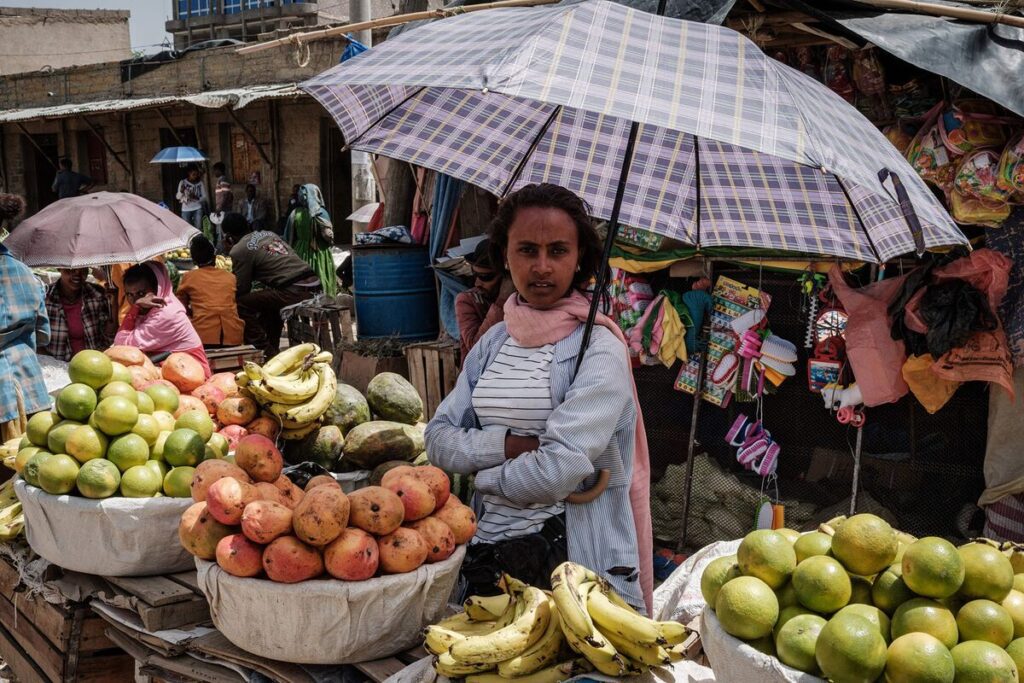
Government data and market assessments indicated that staple food prices, including cereals and pulses, stabilised in several regions as supplies increased. Analysts said the improvement reflects better harvest outcomes and improved distribution compared with the previous year, when logistics bottlenecks and insecurity weighed heavily on markets.
However, inflation remains elevated overall. Non-food items such as fuel, transport services, and imported goods continue to exert upward pressure on consumer prices. Currency constraints and foreign exchange shortages have kept import costs high, limiting the pace at which inflation can fall.
The central bank has maintained a tight policy stance, aiming to contain inflation expectations and protect currency stability. Economists said policy credibility has helped prevent sharper price spikes, even as structural challenges persist.
Households reported mixed conditions. While food affordability improved marginally in some urban markets, transport fares and rent remained high. Rural consumers benefited more directly from harvest-related supply, though access varies by region.
Analysts cautioned that inflation risks remain uneven. Weather variability, global fuel prices, and security conditions could quickly reverse gains. In addition, public expectations remain sensitive after prolonged cost-of-living pressure.
Next steps for Ethiopia inflation trend
Authorities are expected to monitor food markets closely while maintaining cautious monetary policy through the first quarter.
Why it matters
Inflation affects purchasing power, social stability, and reform credibility in one of Africa’s most populous economies.

 Chinese
  English
  Swahili
  French
  Portuguese