Chinese
 English
 Swahili
 French
 Portuguese


Kigali Solar Forum Puts Irrigation, Cooling and Milling Business Models in Focus
Kigali’s off-grid solar programme examines how irrigation, cooling, drying and milling can become viable services for African food businesses.
Tuesday 27th October 2026
By inAfrika Newsroom
The proposed Kong solar development in Côte d’Ivoire illustrates a financing question that extends beyond the panels themselves: who builds, funds and eventually owns the infrastructure connecting a plant to the grid. This project explainer examines the structure disclosed by development bank FMO rather than announcing commercial operation.
FMO’s public project disclosure describes a 50-megawatt-peak photovoltaic plant and related transmission infrastructure near Kong. It sets out a 25-year concession and identifies the investment as being in the contracting phase.
The disclosure describes a long-term loan for the plant and a separate, shorter-maturity facility for transmission infrastructure. It says the transmission assets will transfer to the government after completion, while the project company will operate the solar plant under the concession.
Those different ownership paths explain why a single construction programme can involve more than one financing arrangement. The assets perform connected functions but can have different responsibilities, repayment schedules and long-term operating obligations.
An important distinction is between peak generating capacity and electricity actually delivered over time. The stated megawatt-peak figure describes capacity under specified conditions; it should not be treated as a guarantee of continuous output or a household supply count.
The wider lesson for African energy developers is to present the connection arrangements alongside generation plans. A proposal is easier to assess when it explains responsibility for construction, testing, maintenance and the point at which electricity can enter the network.
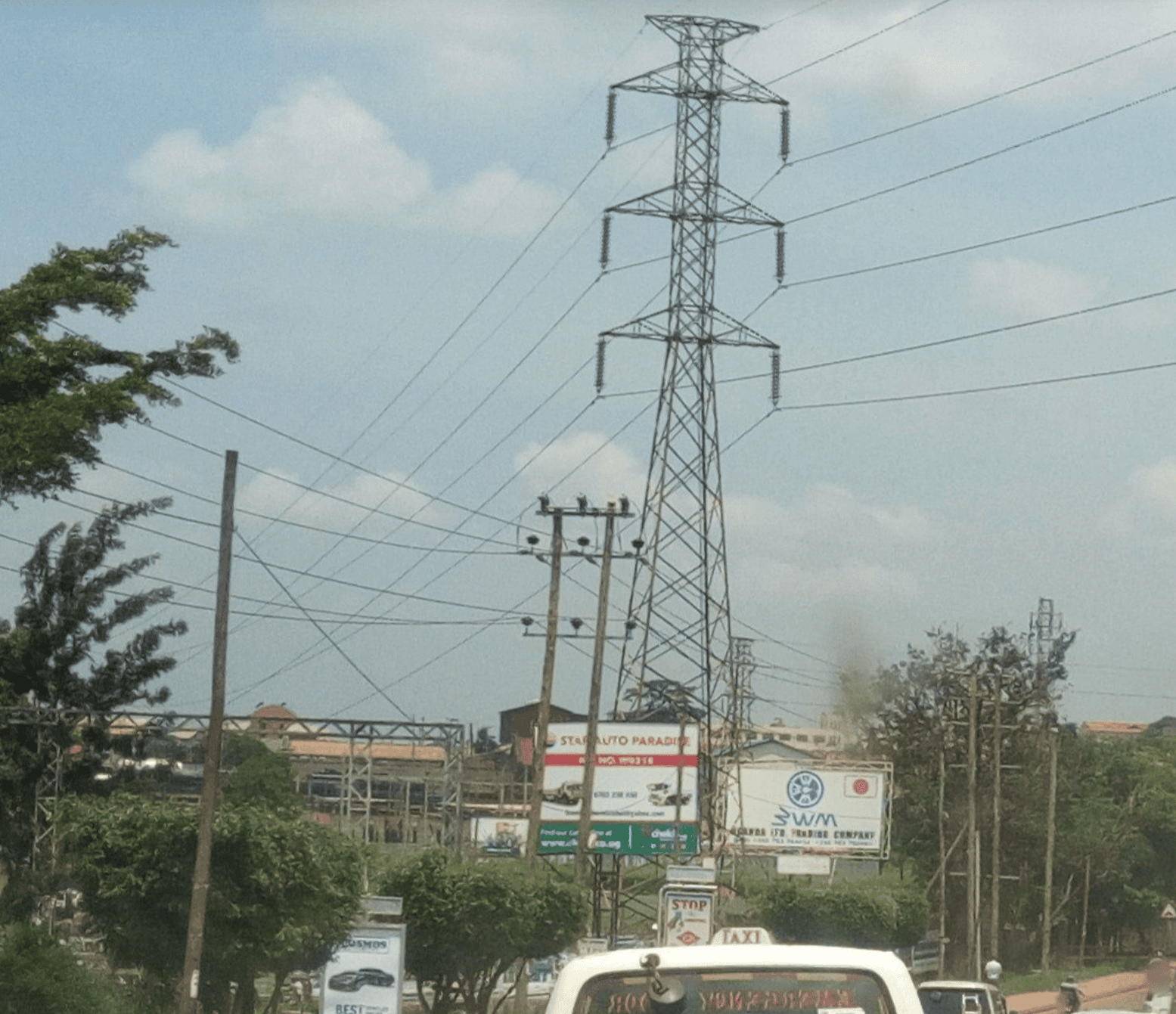
Related questions arise in East Africa’s transmission investment plans. The projects have different structures, but both show why physical connections and institutional arrangements deserve attention alongside headline generating resources.
Construction milestones and confirmed operating status remain the evidence to watch. A financing disclosure provides useful detail about intended arrangements, while subsequent reporting must establish which agreements and assets have actually been delivered.