Wednesday 17th December 2025
By inAfrika Newsroom
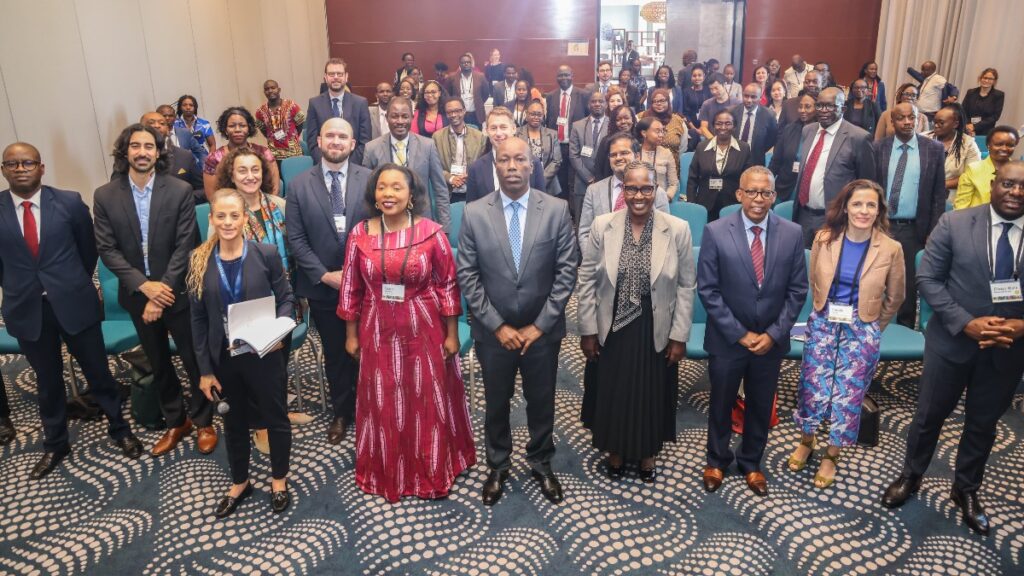
Africa export standards convergence Nairobi 2025 took centre stage at a two-day WTO-backed event this week, as policymakers and businesses met to discuss how regulations shape agribusiness competitiveness. The meeting, held on 10–11 December in Nairobi, drew around 100 officials, regulators, firms and development partners from East and Southern Africa.
Participants examined how different product standards and technical rules can still block trade even after tariffs fall. They reviewed tools such as the ePing SPS & TBT platform, the Standards and Trade Development Facility and the Global Trade Helpdesk, designed to help African exporters navigate complex requirements in foreign markets.
In video remarks, WTO Director-General Ngozi Okonjo-Iweala said standards and regulations now decide “what reaches consumers and what does not” more than tariffs in many cases. She urged African governments to coordinate better on food safety, labelling and quality rules so farmers and processors can scale up exports.
Meanwhile, regional experts highlighted the opportunity presented by the African Continental Free Trade Area. They argued that aligned standards could transform Africa from a supplier of raw commodities into a competitive exporter of processed foods and higher-value agricultural goods.
Next steps: Africa export standards convergence Nairobi 2025
Officials plan to feed outcomes from the meeting into continental talks ahead of the WTO’s 14th Ministerial Conference, scheduled for 2026 in Yaoundé. African trade ministers have already begun coordination on a common agenda covering standards, subsidies and agriculture market access.
National agencies are also expected to step up work on risk-based inspections, mutual recognition of certificates and stronger national standards bodies. For small firms, partners will expand training on how to use digital tools like ePing to track new requirements early and adjust production plans.
If these steps hold, future meetings may review concrete export gains linked to better standards convergence rather than only plans.
Why it matters
The Africa export standards convergence Nairobi 2025 meeting underlines that tariff cuts alone will not unlock the continent’s $3.5 trillion trade potential. Farmers and agro-processors still lose deals when labels, safety tests or packaging fail to meet destination-country rules.
By working together on standards, African states can lower compliance costs, shorten border delays and boost investor confidence in regional value chains. For East African exporters shipping coffee, tea, fresh produce or processed foods, this could mean more predictable access to high-value markets and more jobs at home.

 English
  Swahili
  French
  Portuguese
  Chinese