Monday 29th December 2025
By inAfrika Newsroom
A new African digital ID governance 2025 report says millions of Africans are being pushed to the edges of public life by biometric ID systems that lack strong oversight. The synthesis study, “Digital-ID in Africa: Assessing progress and challenges to date,” reviews roll-outs in ten countries including Botswana, DRC, Egypt, Ethiopia, Liberia, Malawi, Namibia, Senegal and Tunisia.
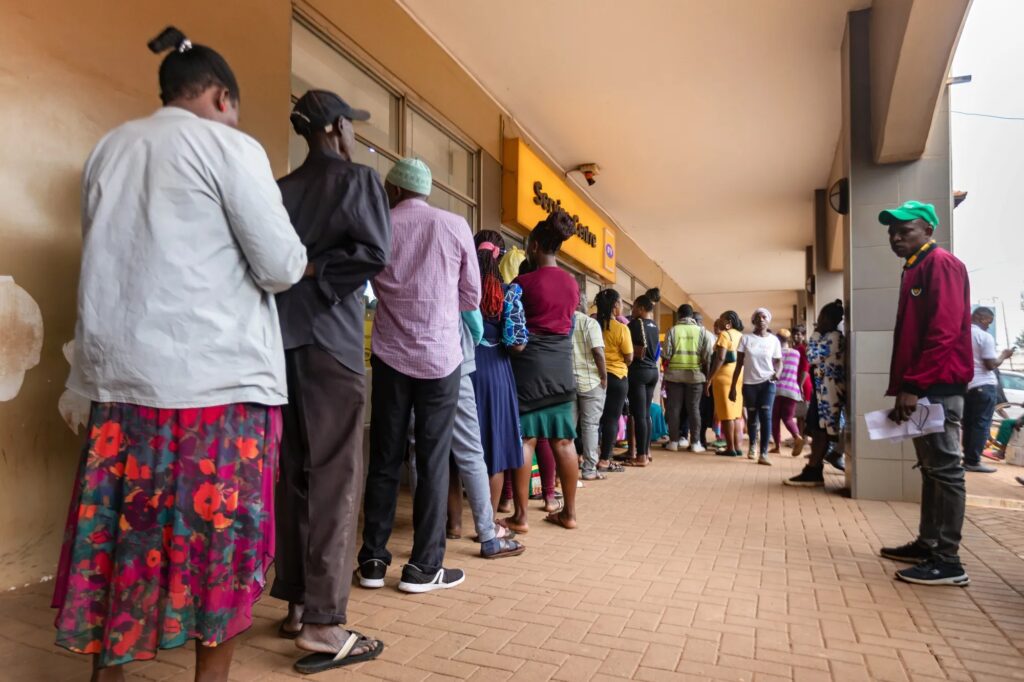
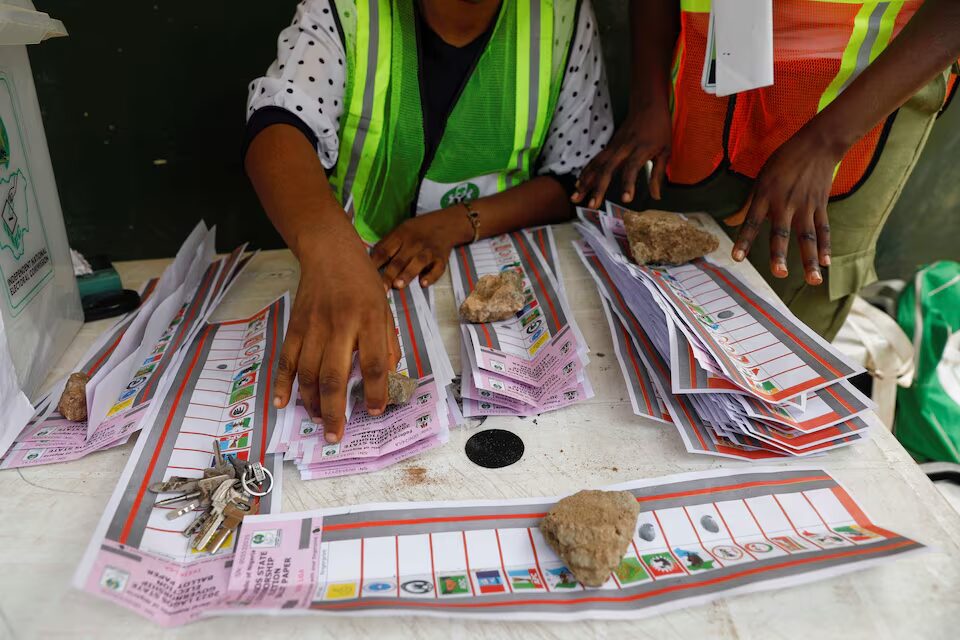
Researchers from the African Digital Rights Network and the Institute of Development Studies found that many systems now act as “gatekeepers” for voting, health care, social protection and education. People who cannot enrol, or who are wrongly flagged by biometric checks, risk being cut off from basic rights and services.
The report says legal safeguards are weak in several states, with gaps in data-protection laws, limited powers for regulators and few remedies for citizens. A related paper on digital-ID in Liberia warns that sensitive biometric data is collected without mandatory risk assessments, and that privacy rules lag behind global standards.
Separate research by CIPESA on internet freedom in Africa this year calls for independent, well-resourced data governance bodies, including AI and data-protection authorities, that can audit high-risk systems and investigate rights breaches
Next steps – African digital ID governance 2025 report
Civil-society groups are urging governments to pause new mandatory links between digital ID and essential services until stronger guardrails are in place. They want parliaments to update data-protection laws, clarify who oversees digital-ID roll-outs and require human-rights impact assessments before new systems go live.
Meanwhile, funders are being asked to make rights-based safeguards a condition for new support. The Africa Digital Rights Fund has already opened a fresh grant window for work on data governance, biometric databases and digital ID.
Why it matters – African digital ID governance 2025 report
Digital ID is central to Africa’s push to formalise economies, expand mobile money and deliver social support at scale. However, when systems fail or lack accountability, they can deepen exclusion instead of reducing it. The new findings give journalists, lawmakers and regulators fresh evidence that design choices matter. How African states handle digital-ID today will shape who is seen, who is invisible and who gets to participate fully in the continent’s economic and political future.

 French
  English
  Swahili
  Portuguese
  Chinese