Friday 24th April 2026
By inAfrika Newsroom
São Tomé clean energy grant April 2026 has added new financing for power-sector reform after the African Development Fund approved a $24.5 million grant package. The support matters now because small island economies face high fuel import costs, weak grids and rising climate pressure.
The African Development Bank said the package anchors a wider $30 million clean-energy future programme for São Tomé and Príncipe. The approval comes as African countries look for lower-cost energy options during a period of global fuel volatility.
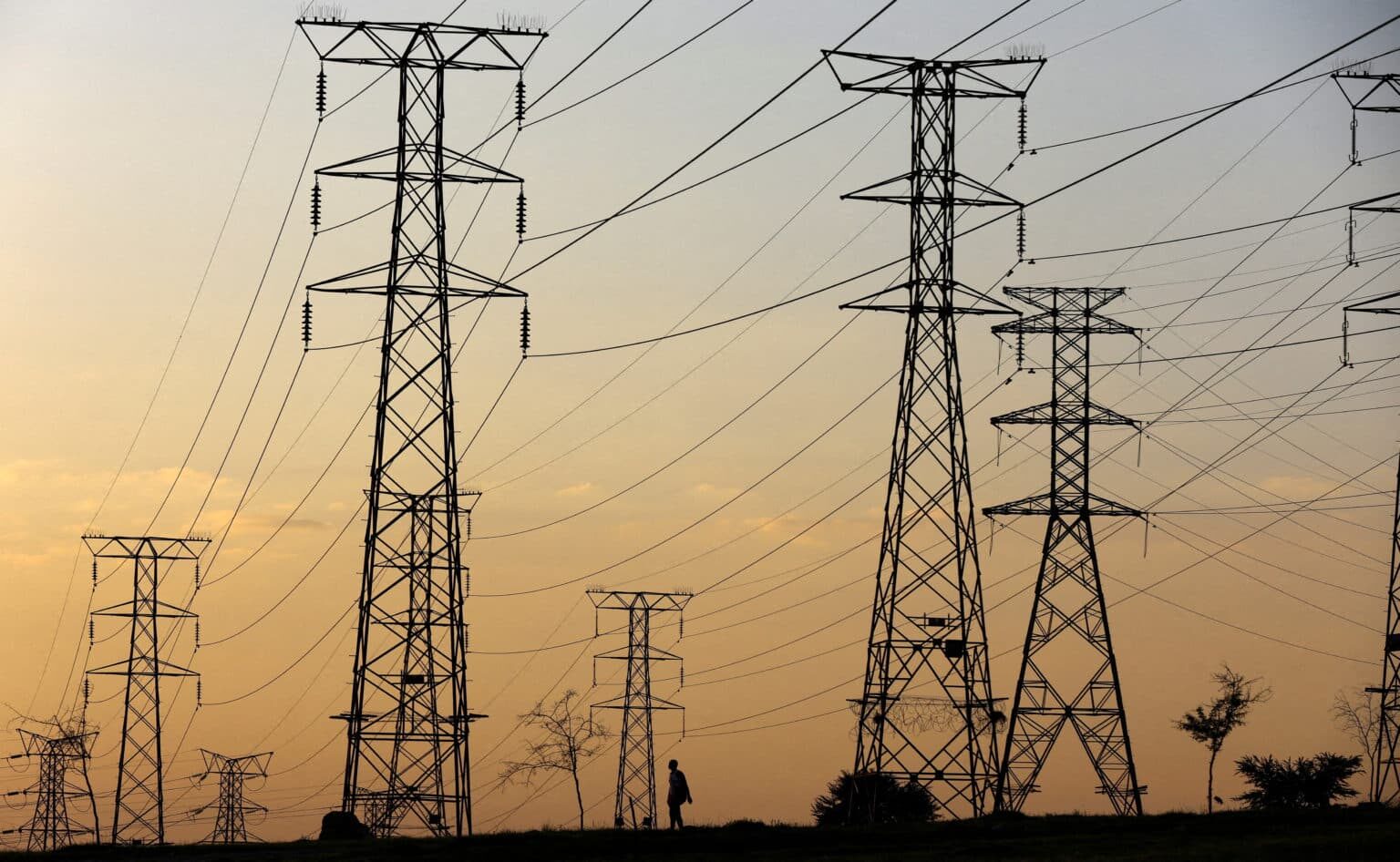
For an island economy, electricity reform affects almost every sector. Tourism, fisheries, cold storage, schools, clinics, water systems and small businesses depend on reliable and affordable power. Diesel-heavy systems expose households and firms to international price shocks.
Here is what São Tomé clean energy grant means for power bills and investment. Grant financing can reduce pressure from debt-funded infrastructure while helping utilities upgrade systems and prepare for renewable generation.
São Tomé clean energy grant April 2026: What changes for businesses and households
For businesses, the key benefit is predictability. Hotels, food processors, fish handlers and retailers need stable electricity to reduce generator dependence and protect margins. Better grid reliability can also make local services more competitive.
For households, the possible change is service quality. Cleaner and more reliable power can reduce outages, support digital access and improve essential services. However, benefits depend on procurement, project execution and tariff management.
The regional lesson matters for Comoros, Seychelles, Cabo Verde and Zanzibar. Island and coastal economies need energy systems that reduce imported fuel exposure while supporting tourism and blue-economy sectors.
For development financiers, the grant also reflects a wider African priority: using concessional finance to unlock practical infrastructure where commercial borrowing alone would be too costly.

 French
  English
  Swahili
  Portuguese
  Chinese