French
 English
 Swahili
 Portuguese
 Chinese

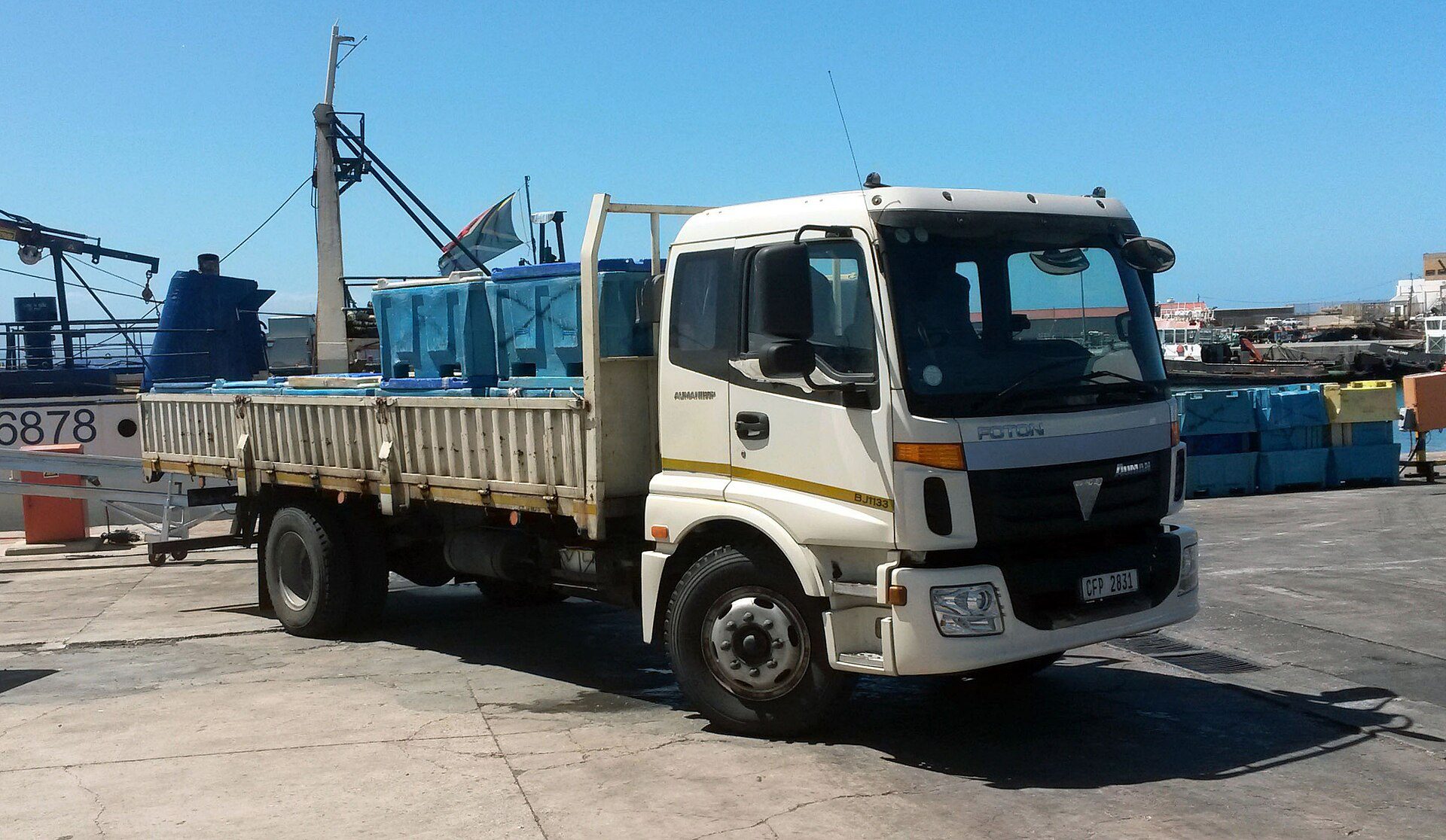
FOTON reports Kenya and Ethiopia vehicle agreements in Africa expansion
FOTON’s 29 October conference disclosed new-energy vehicle agreements in East Africa alongside heavy-truck deliveries in Ghana and Zambia.
Monday 2nd November 2026

By inAfrika Newsroom
UNECA’s 2–4 November workshops in Addis Ababa will examine where African countries could connect their mineral resources, processing capabilities and markets. The programme seeks to move regional industrialisation discussions towards specific value chains that merit further investigation.
Les published workshop programme begins with a study of regional value-chain opportunities on 2 November. Subsequent days address mineral mapping and data gaps, followed by draft guidance for implementing the African Green Minerals Strategy.
A day-one concept note explains the study’s screening method. It examines products across the strategy’s 15 minerals, covering extraction, processing and manufacturing through six-digit customs product classifications.
One screen looks for exports above USD 10 million and a revealed comparative advantage greater than one. That index compares a product’s importance in a country’s exports with its importance in global exports; the threshold is a research filter, not a minimum investment requirement or proof that a proposed factory is viable.
The study also looks for products Africa buys outside the continent while African suppliers already export them. Another approach identifies stages of a value chain that exist in different African countries but are not yet connected through trade.
The limits matter as much as the opportunity. UNECA says trade data are being used as a proxy because production information is fragmented, and the findings need deeper assessment of companies, infrastructure and each potential value chain.
A recorded export flow, for example, cannot by itself establish spare factory capacity, competitive electricity costs or dependable delivery times. Those are practical questions a manufacturer or lender would still need answered before committing capital.
This gives Tanzania and other East African mineral economies a reason to examine potential regional partners alongside individual mine developments. Financing and processing discussions become more useful when they identify which production stages can be supplied competitively and how materials will reach the next plant.
The workshops are consultations on emerging findings and draft guidance. Their listing does not establish that new financing, mineral discoveries or cross-border manufacturing agreements have been concluded.
The next evidence to watch is the validated mapping, the limitations retained in the final findings and the value chains selected for feasibility work. Those outputs would allow businesses to assess concrete opportunities without treating a continental strategy as an operating project.
Have a verified news development or story? Send news submissions and supporting materials to news@inafrika.co.tz