Friday 24th April 2026
By inAfrika Newsroom
Ghana cocoa payment delays April 2026 have raised concern among farmers as delayed payments threaten harvesting during a strong mid-crop season. The issue matters now because Ghana is the world’s second-largest cocoa producer and the sector supports about 800,000 farming families.
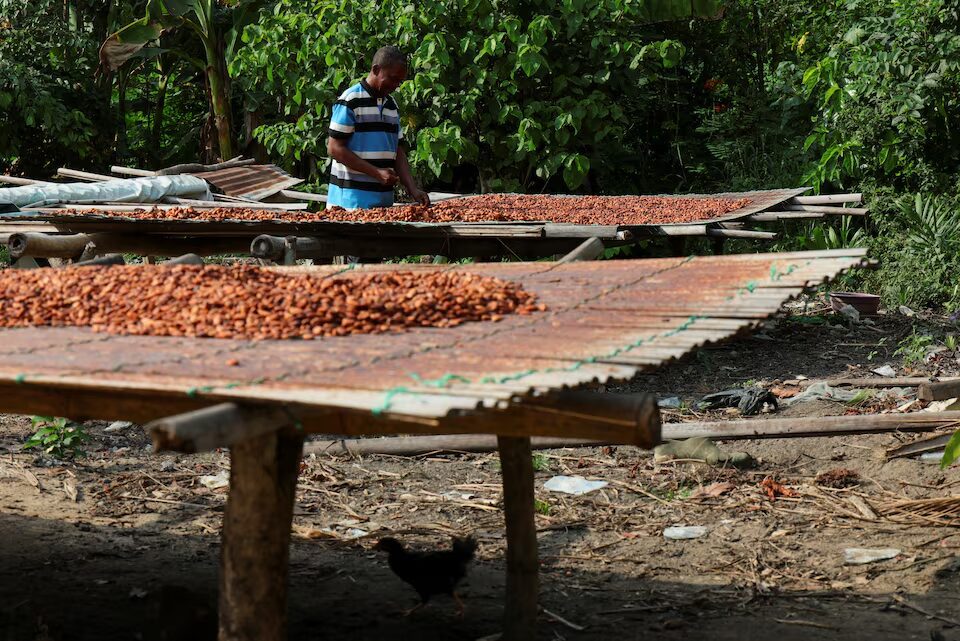
Farmers say payment delays of up to six months have drained operating funds. Some now lack money to hire labour, harvest cocoa or cover household costs while beans remain on trees or in storage.
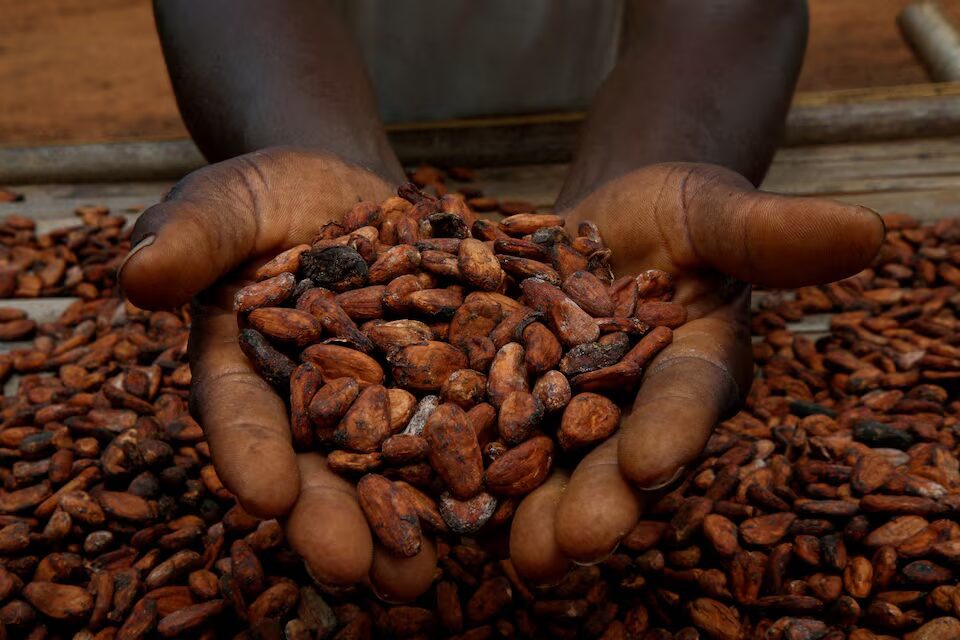
The Ghana Cocoa Cooperatives Association said similar pressures affect its more than 340,000 members. One farmer reported holding 14 freshly harvested bags weighing 896 kg, refusing to release them to buyers without instant payment.
Another farmer said he had harvested 300 bags this season, up from 190 bags at the same point last year. However, he warned that further gains depend on prompt payment before the season closes in August or September.
Here is what Ghana cocoa payment delays mean for chocolate, exports and farmer income. The harvest may look promising, but liquidity problems can block beans from moving into the formal buying system.
Ghana cocoa payment delays April 2026: What changes for businesses and households
For farmers, cash flow is now the central issue. Without quick payment, growers may delay deliveries, reduce labour hiring or shift spending away from farm maintenance. That can affect quality, volumes and future yields.
For buyers and exporters, the risk is supply-chain interruption. Ghana has about 65 licensed buying companies, and some buyers say they are still awaiting payments for beans already supplied and sold.
The export signal is also important. Bank of Ghana data showed cocoa exports fell by about 20% year-on-year to 956.3 million cedis, or about $86 million, in February. International prices have also dropped nearly 75% from record highs in late 2024.
For West Africa, the story reaches beyond Ghana. Côte d’Ivoire, Nigeria and Cameroon also watch cocoa price cycles closely because cocoa supports rural jobs, export earnings and foreign exchange flows.

 English
  Swahili
  French
  Portuguese
  Chinese