Friday 24th April 2026
By inAfrika Newsroom
Africa currencies April 2026 are moving unevenly, with Ghana’s cedi under pressure while the Kenyan, Ugandan and Nigerian currencies remain broadly steady. The update matters now because fuel imports, corporate dollar demand and export inflows are shaping exchange-rate expectations across the continent.
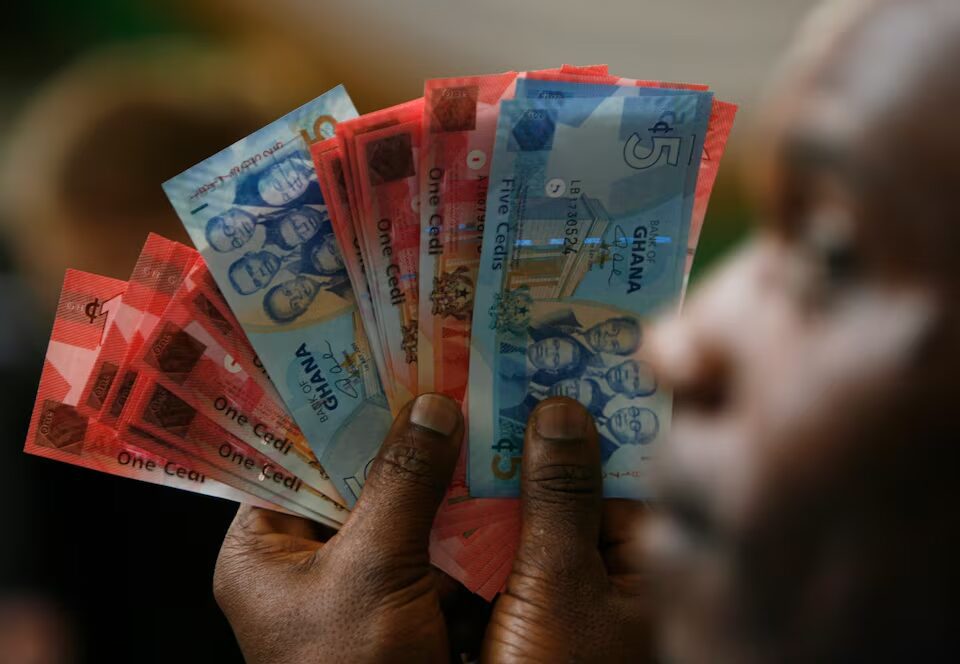
Ghana’s cedi was trading at 11.05 to the dollar on Thursday, compared with 11.03 a week earlier. Traders said firm corporate dollar demand and limited supply could extend the gradual decline.
Kenya’s shilling was quoted at 129.20/129.30 per dollar, compared with 129.05/129.25 a week earlier. Traders expected it to remain stable, supported by improved external sentiment after the extension of a ceasefire linked to the Middle East conflict.
Uganda’s shilling was quoted at 3,710/3,720 against the dollar, compared with 3,695/3,705 a week earlier. Traders expect end-month export inflows, especially from coffee, to support the currency around 3,700.
Here is what Africa currencies mean for importers and consumers. A weaker currency can raise the local cost of fuel, fertiliser, food imports, machinery, medicines and school fees paid abroad.
Africa currencies April 2026: What changes for businesses and households
For businesses, currency direction affects pricing decisions immediately. Importers may adjust quotations, delay orders or seek dollar cover. Exporters may benefit from stronger local-currency proceeds, but only if logistics and production costs stay manageable.
Nigeria’s naira was quoted at 1,347 on the official market, compared with 1,342 a week earlier, while street trading stood at 1,405. Traders said demand remained subdued and liquidity was supported by bond flows and export repatriation.
Zambia’s kwacha strengthened to 18.86 per dollar from 19.40 a week earlier. Month-end foreign-currency sales by companies were expected to support the currency.
For households, the exchange-rate story becomes visible through fuel prices, imported food, electronics, transport and medical costs. For governments, currency stability helps contain inflation expectations.

 English
  Swahili
  French
  Portuguese
  Chinese