Thursday 8th January 2026
By inAfrika Newsroom
Horn of Africa drought warning is intensifying concern across Kenya, Ethiopia, and Somalia as dry conditions cut harvest prospects and strain water supplies. Regional monitors say the October–December rains performed poorly in key areas, and the effects are now rolling into early 2026.
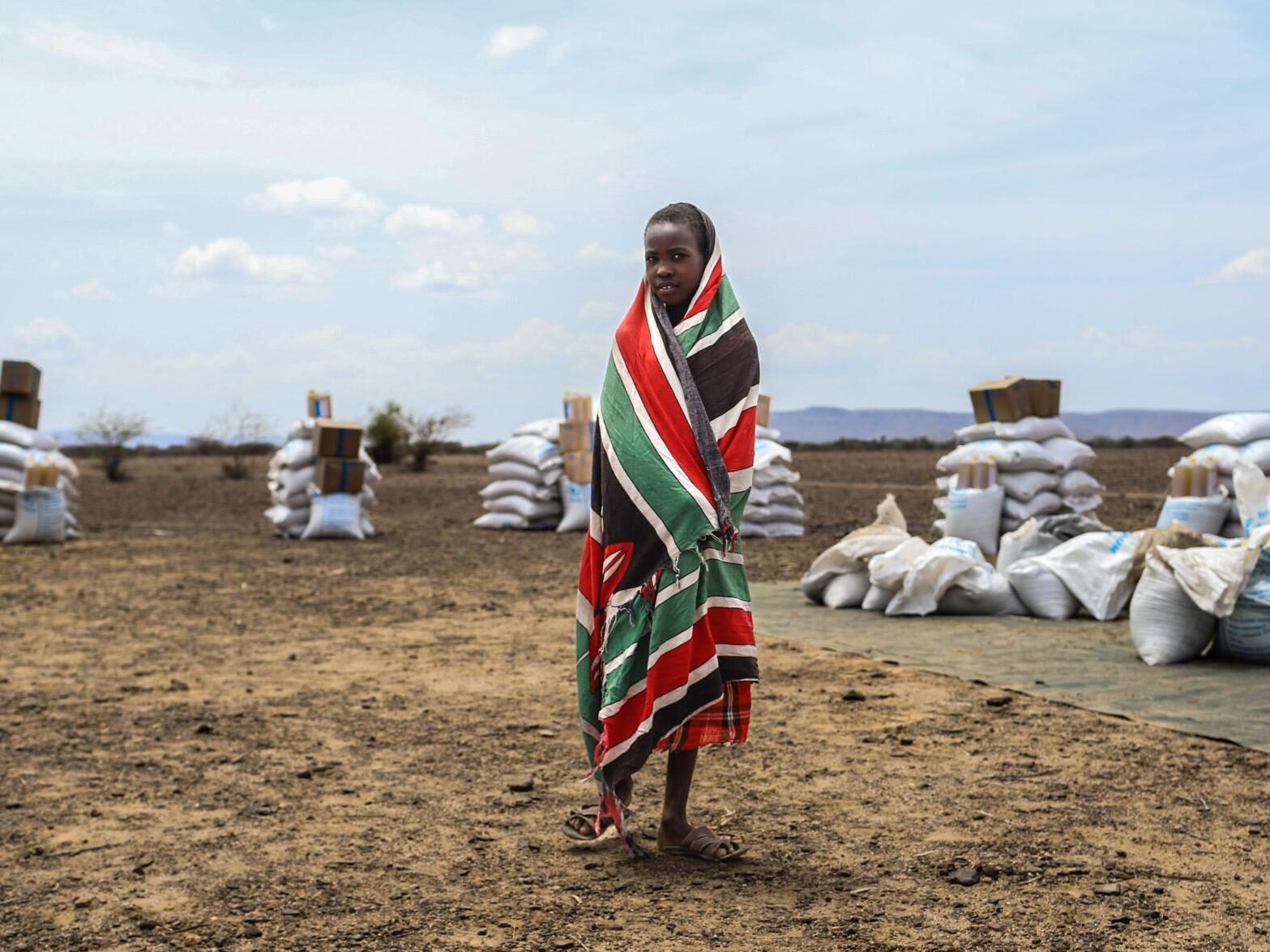
As a result, food availability could tighten for rural households that depend on seasonal crops and pasture. Meanwhile, agencies warn that losses from the late-2025 rains may hit January–February harvests, which usually help refill household stocks.
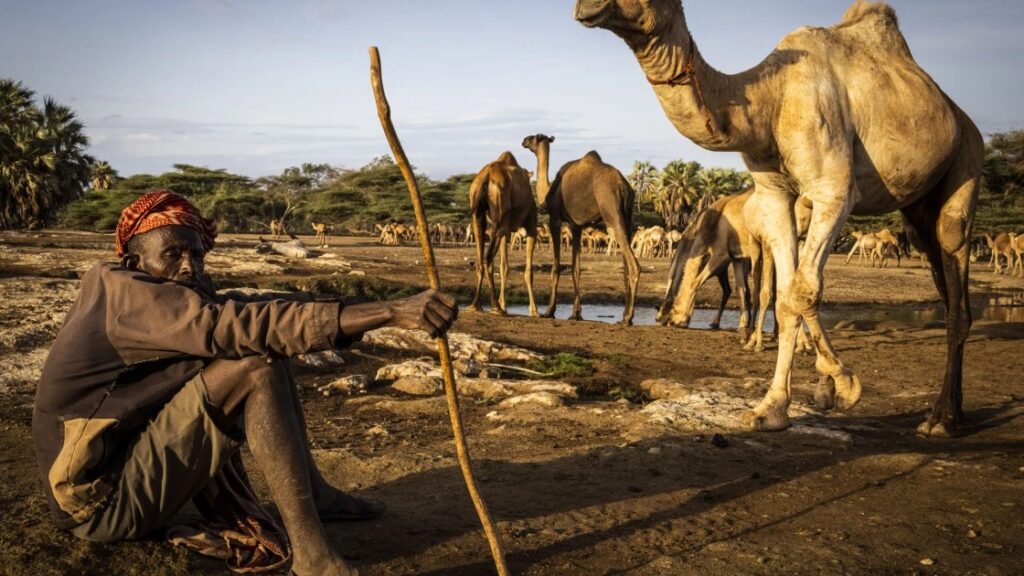
Moreover, the risk is not only about crops. Dry conditions also reduce pasture and water points for livestock, which can cut incomes and raise malnutrition risk for children. Consequently, health systems and aid agencies often see a surge in demand during extended dry spells, especially in arid and semi-arid lands.
Even so, the pattern is uneven. Some locations received short bursts of rain, yet the overall totals remained below normal in several drought-prone zones. Therefore, analysts are watching both rainfall and market prices, since households often shift to purchases when own production fails.
In addition, climate scientists have linked the current setup to large-scale ocean conditions that can suppress rainfall in parts of eastern Africa. ICPAC has warned that below-normal rainfall could persist into January 2026 in some areas, which would prolong stress on water resources and food security.
Next steps: Horn of Africa drought warning
National weather agencies are expected to update short-range forecasts and advisories. Meanwhile, governments may expand water trucking, livestock support, and cash transfers in hotspot counties and districts. Also, humanitarian partners will refine targeting as the harvest picture becomes clearer in January and February.
Why it matters
Food shocks travel fast through cities and border markets. Therefore, drought-linked supply gaps can push up staple prices and worsen poverty. Moreover, when livestock health drops, households lose both food and income at once, which can accelerate malnutrition and school absenteeism.

 English
  Swahili
  French
  Portuguese
  Chinese