Kenya World Bank emergency funds April 2026 have become a key fiscal story after Kenya requested rapid support to manage external shocks linked to higher fuel costs. The request matters now because energy importers face inflation, currency and budget pressure.
Kenya’s central bank governor said the request was significant but did not provide a figure. The support would be separate from a budgetary support loan already under discussion before the crisis.
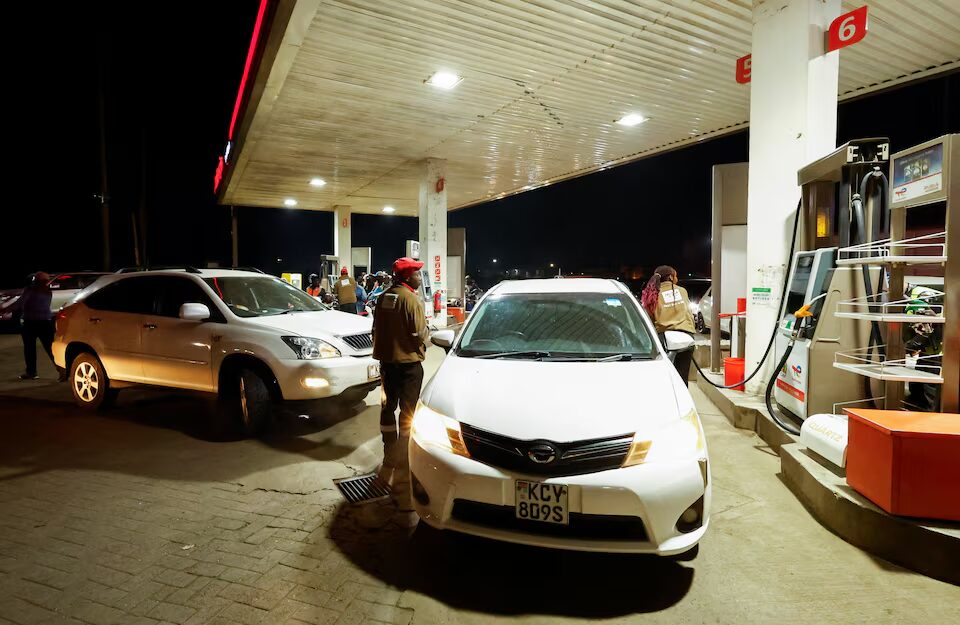
The policy trigger is visible in fuel and growth numbers. Kenya cut VAT on petroleum products to 8% from 13% for three months to cushion consumers. The central bank also lowered its 2026 growth forecast to 5.3% from 5.5%.
Kenya’s reserves stand above $13 billion, equivalent to 5.8 months of import cover. The central bank said those buffers would help manage currency volatility if external pressure increases.
Here is what Kenya World Bank emergency funds mean for fuel prices and the shilling. Rapid financing can reassure markets, but it does not remove the cost shock facing transporters, importers and households.
Kenya World Bank emergency funds April 2026: What changes for businesses and households
For businesses, the immediate benefit would be confidence. Importers, banks, fuel marketers and bond investors watch external financing because it affects reserves, exchange-rate expectations and government payment risk.
For households, the VAT cut offers short-term relief at the pump. However, higher global energy costs can still move into food, fares, electricity bills and manufactured goods.
The regional relevance is direct. Kenya’s ports, roads, banks and suppliers connect Uganda, Rwanda, South Sudan, Tanzania and eastern DRC. A stabilised Kenyan economy supports regional trade flows and investor confidence.
The next signal will come from the size, timing and conditions of any financing. Markets will also watch the June monetary policy meeting, where rate decisions will depend on fresh data.
Friday 24th April 2026 By inAfrika Newsroom Sub-Saharan Africa growth forecast 2026 has been revised downward as higher oil, gas, fertiliser and shipping costs pressure economies. The IMF now expects…
Friday 24th April 2026 By inAfrika Newsroom South Africa Eskom wage deal April 2026 has settled a major labour issue at the state power utility after a three-year agreement was…
Friday 24th April 2026 By inAfrika Newsroom Africa food prices April 2026 face renewed pressure after the FAO Food Price Index rose for a second consecutive month in March. The…

 English
  Swahili
  French
  Portuguese
  Chinese