The Ngandajika agro-industrial park 2025 plan received a major boost after the African Development Bank (AfDB) approved a US$159.5 million loan to the Democratic Republic of Congo (DRC) to upgrade roads and air links into the country’s central farming belt.
The Connectivity Strengthening Project will finance upgrades to the Nkuadi–Ngandajika–PAIN and Lukalaba–Ngandajika roads, linking the park to National Roads 1 and 2, which connect central DRC to key markets. It will also extend the runway at Mbuji-Mayi airport, allowing larger cargo aircraft to move fresh produce and inputs in and out of Lomami province.
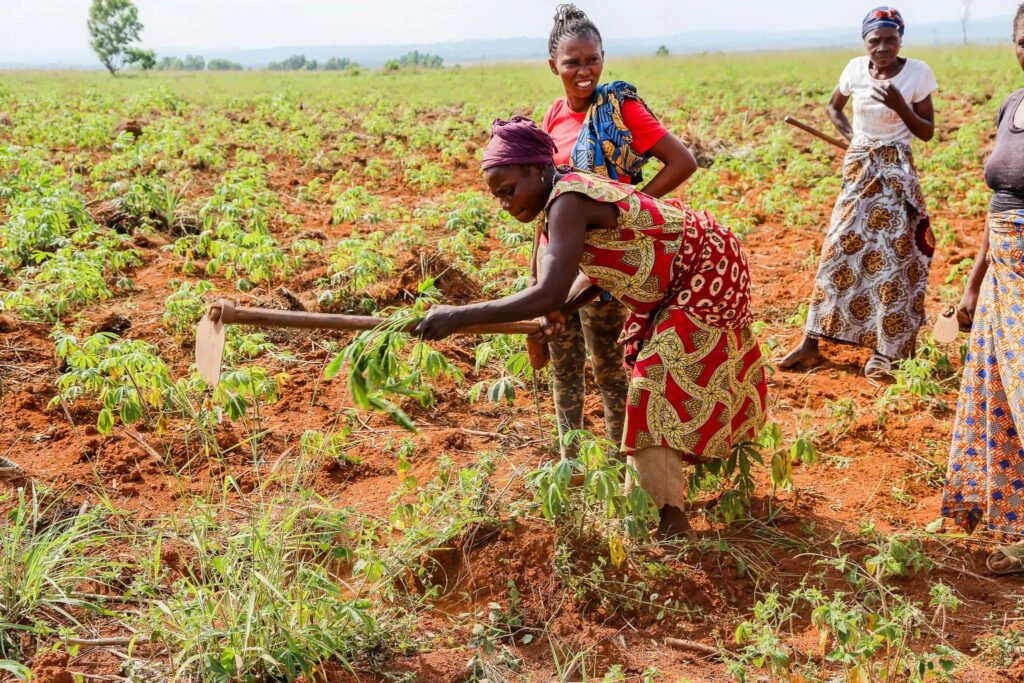
AfDB says the US$177.16 million project, co-financed by the DRC government, aims to cut logistics costs, reduce travel times and ease access to storage and processing facilities. Officials argue that better roads and air links will help smallholder farmers supply the Ngandajika agro-industrial park 2025 value chains more reliably, especially for cassava, maize and soya.
The investment falls under the Bank’s Agricultural Transformation Programme and complements earlier funding for the Ngandajika Special Agro-Industrial Processing Zone. AfDB Central Africa Director General Léandre Bassolé said the project should “open trade corridors and create jobs, especially for women and young people,” by linking farms, warehouses and processing plants to national and regional markets.
Moreover, AfDB notes that the roads will support traffic moving under the African Continental Free Trade Area (AfCFTA), since better links between rural production zones and main corridors are critical for cross-border food trade.
Next steps for Ngandajika agro-industrial park
Tendering for works on the road sections and airport runway is expected to start in early 2026, once detailed designs and environmental studies are completed. In addition, AfDB and DRC authorities plan to set performance targets for travel time, freight volumes and accident rates along the rehabilitated stretches.
Local authorities will also need to coordinate with farmer cooperatives and agro-processors so that feeder tracks, collection centres and storage points connect smoothly to the new infrastructure.
Why it matters
For central DRC, the Ngandajika agro-industrial park 2025 package marks a shift from isolated farm plots to integrated value chains. Lower transport costs can raise farmgate prices, support new processing investments and improve food supplies in urban centres.
Regionally, the project also aligns with AfCFTA goals to move more processed food across African borders, not just raw crops. If implementation holds, Ngandajika could become a model for agro-industrial corridors across the continent.
Friday 27th February 2026 By inAfrika Newsroom Ivory Coast mid-crop cocoa price timing is being brought forward after the agriculture minister said the country will announce the fixed price farmers…
Monday 23rd February 2026 By inAfrika Newsroom The World Bank aims to provide about $6 billion in financing to Mozambique over the next five years, according to Reuters, in a…
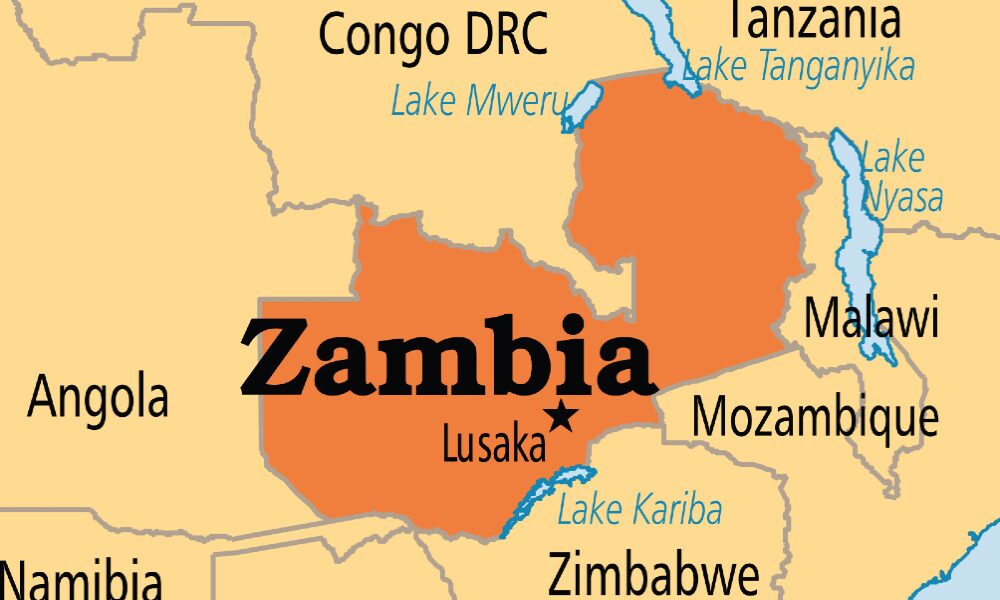
Wednesday 28th January 2026 By inAfrika Newsroom Zambia IMF final review approval has unlocked $190 million after the Fund’s board completed the sixth and last review of the country’s extended…

 English
  Swahili
  French
  Portuguese
  Chinese