Friday 24th April 2026
By inAfrika Newsroom
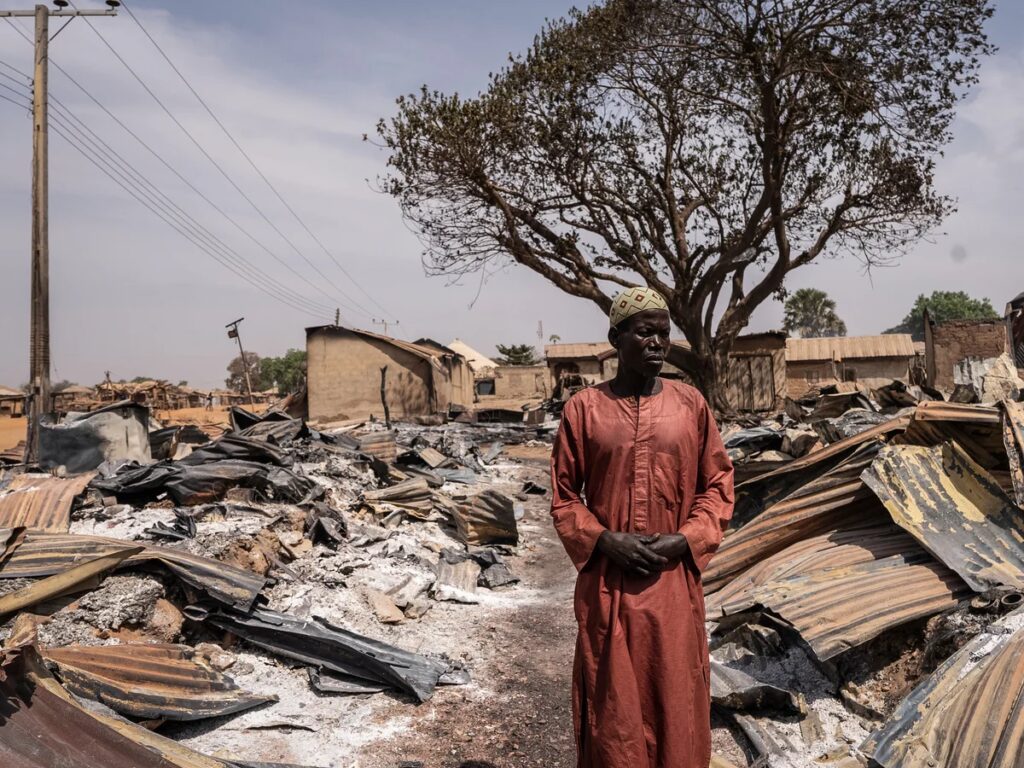
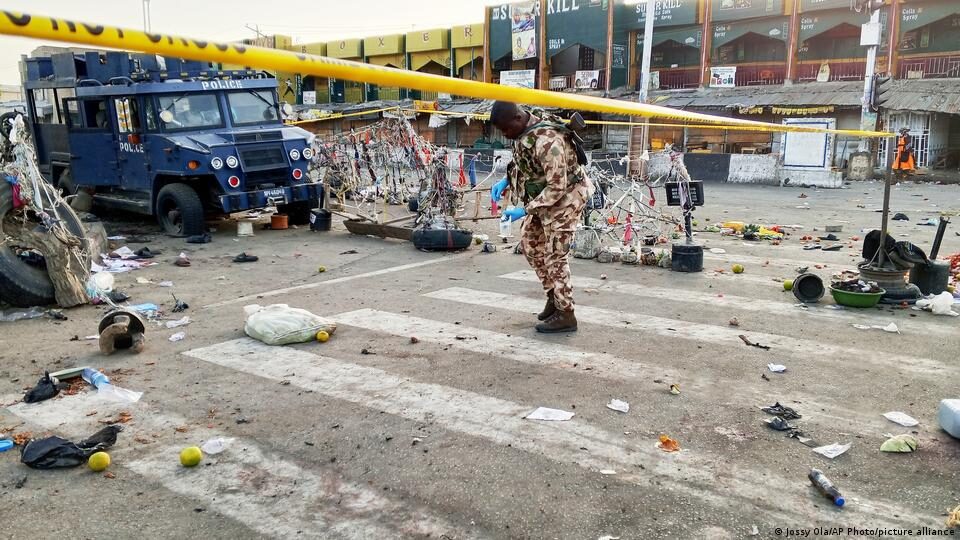
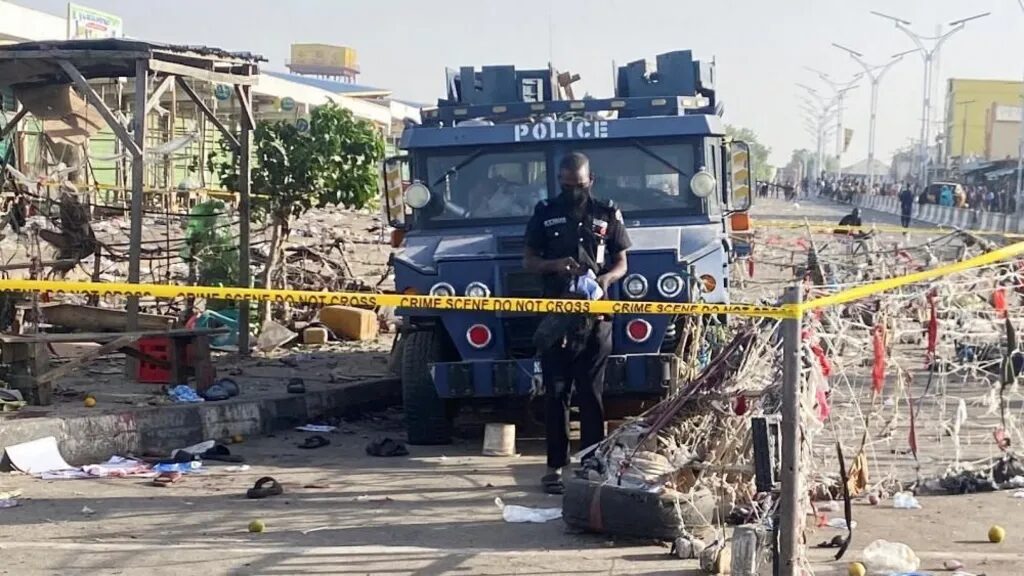
Nigeria northeast attacks April 2026 have renewed concern over insecurity after suspected Boko Haram militants attacked two villages in Borno and Adamawa states. The incident matters now because insecurity continues to affect farming, food movement and local trade in northeast Nigeria.
A local official said at least 20 people were killed in the attacks. Eleven deaths were reported in Pubagu, while nine were reported in Mayo-Ladde.
The villages are in Borno and neighbouring Adamawa. The attacks took place on Tuesday afternoon after local vigilantes were overwhelmed, according to the official account cited in the report.
The insurgency in northeast Nigeria has lasted 17 years. Aid groups say it has displaced at least 2 million people, despite major military campaigns over the years.
Here is what Nigeria northeast attacks April 2026 mean for markets and households. Security shocks can reduce farm access, disrupt rural shops, slow food movement and raise costs for traders who depend on safe roads.
Nigeria northeast attacks April 2026: What changes for businesses and households
For households, the immediate issue is safety and access. Insecurity can limit movement to farms, schools, clinics and markets, especially in rural communities.
For SMEs, the risk is supply disruption. Traders dealing in grain, livestock, vegetables, fuel and household goods may face higher transport costs or reduced market days.
For government, the operational pressure is local security coordination. Protection of rural communities affects food production, humanitarian access and confidence in public authority.
The regional link reaches Cameroon, Chad and Niger, which have also faced insecurity around the Lake Chad Basin. When violence disrupts trade routes, border markets and food systems can feel the pressure across several countries.

 English
  Swahili
  French
  Portuguese
  Chinese