Thursday 2nd April 2026
By inAfrika Newsroom
Africa growth slowdown risk is rising, according to a joint report warning that if conflict in the Middle East continues beyond six months, Africa could lose 0.2 percentage points of GDP growth in 2026 through disruptions in trade, energy, and fertiliser supply.
The report, produced jointly by two U.N. agencies alongside the African Union and the African Development Bank, describes Africa’s exposure as both direct and indirect. Direct exposure comes through trade links with the Middle East, which the report quantified at 15.8% of Africa’s imports and 10.9% of its exports. Indirect exposure is through global price transmission, where oil and shipping risks raise costs even for countries without strong bilateral trade with the region.
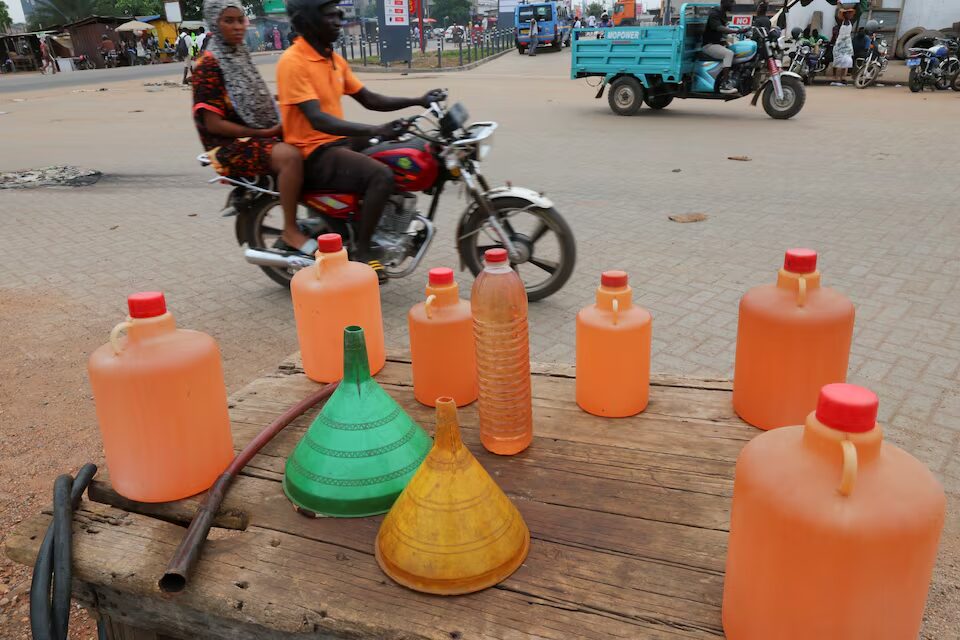
Most African economies are net energy importers, and the report warned that higher fuel and food prices could trigger cost-of-living strain. Fertiliser shortages are a central concern because planting decisions are made under time pressure. If fertiliser is late or too expensive, farmers can reduce application rates, raising the risk of weaker harvests and renewed food inflation later in the year.
The report also pointed to uneven country outcomes. Some exporters, including Nigeria and Mozambique, could benefit from higher energy prices, but the report emphasised that most countries face adverse shocks that outweigh any indirect gains. For policymakers, the key issue is that windfalls can arrive alongside inflation and logistics disruption, meaning fiscal benefits do not automatically translate into household relief.
Trade route shifts are already changing operational patterns. The report said rerouting is boosting activity in ports across Mozambique, South Africa, Namibia, and Mauritius, while Kenya and Ethiopia are emerging as logistics and air transport hubs. That may create short-term throughput gains, but it can also strain infrastructure if volumes rise without matching investments in storage, customs capacity, and last-mile transport.
The report also flagged a geopolitical dimension: a widened conflict could intensify global competition for influence in Africa and raise humanitarian delivery costs. In practical terms, higher delivery costs mean fewer supplies reach affected communities for the same budget, increasing pressure on governments and humanitarian agencies.
Africa growth slowdown risk: what the report highlighted
Africa growth slowdown risk includes a potential 0.2 percentage point loss in 2026 growth if the conflict persists beyond six months, with trade, energy, and fertiliser disruptions as the main channels.

 Portuguese
  English
  Swahili
  French
  Chinese