Friday 24th April 2026
By inAfrika Newsroom
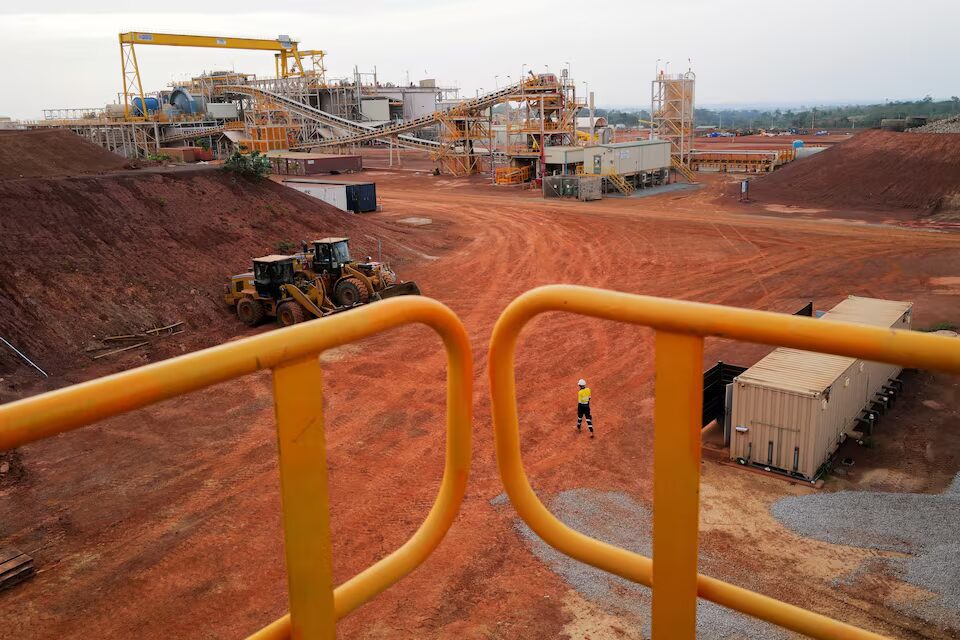
Ghana mining local contractors 2026 has become a major policy story after the Minerals Commission gave Newmont, AngloGold Ashanti and Zijin until December 2026 to shift mining operations to local contractors. The deadline matters now because Ghana is tightening local-content rules while gold prices keep mining revenue high across Africa.
The directive follows rules introduced in January 2025. Under the framework, surface mining must be handled by fully Ghanaian-owned firms, while underground mining must be handled by companies with at least 50% Ghanaian ownership.
The affected companies include Newmont, AngloGold Ashanti and Zijin. Sources and documents reviewed in the report show that the regulator rejected extension requests and warned that non-compliance could trigger sanctions.
The numbers show why this is a high-value policy shift. Ghana is Africa’s top gold producer. The deadline is December 2026. The rules date back to January 2025. Underground mining needs at least 50% Ghanaian ownership. Newmont had reportedly sought until 2027 for full compliance.
Here is what Ghana mining local contractors 2026 means for suppliers and investors. More mining work may move to Ghanaian service companies, including drilling, haulage, equipment support and site operations.
Ghana mining local contractors 2026: What changes for businesses and households
For mining suppliers, the deadline creates new demand for local capacity. Ghanaian contractors will need equipment, safety systems, financing, technical staff and compliance records to take over larger operational roles.
For foreign miners, the immediate issue is execution risk. They must protect production while changing operating models. Any disruption could affect output, export earnings and tax revenue.
For households in mining areas, the policy may create jobs if local contractors expand responsibly. However, benefits will depend on worker safety, payment discipline and whether local firms can scale without weakening mine performance.
The regional signal reaches Tanzania, Mali, Côte d’Ivoire, South Africa and DRC. African governments are increasingly asking how mining can retain more value locally instead of only exporting minerals.

 Portuguese
  English
  Swahili
  French
  Chinese